


Introduction to Budget-Friendly Meal Planning
Why Meal Planning Matters for Families
Meal planning is a strategic approach that helps families organize their meals ahead of time, ensuring that ingredients are used efficiently and that meals are balanced and nutritious. When families take the time to plan meals, it reduces the stress of daily cooking decisions and promotes healthier eating habits. More importantly, it allows families to align their food choices with their budgets and dietary needs, which is essential in managing household expenses.
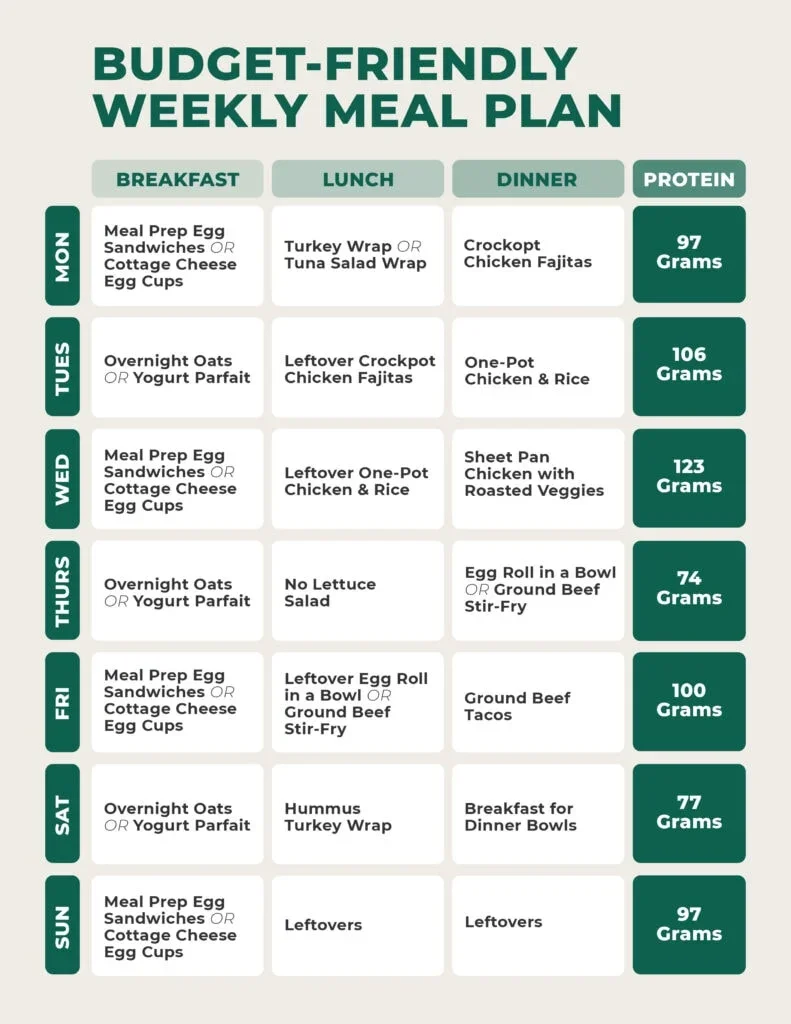
Impact of Food Waste on Household Budgets
Food waste directly influences the amount of money a family spends on groceries. When food is purchased but not consumed, it essentially becomes wasted money. Large portions, improper storage, and last-minute meal decisions often lead to uneaten food being thrown away. This not only affects the environment but also drains the household budget. By reducing food waste through thoughtful meal planning, families can stretch their grocery dollars further and create less environmental impact.
Foundations of Effective Meal Planning
Assessing Your Family’s Food Preferences and Needs
Successful meal planning begins with understanding what your family enjoys eating as well as any nutritional considerations. Taking stock of dietary restrictions, allergies, and favorite meals ensures that the plan is both enjoyable and sustainable. It’s helpful to involve family members in this step, gathering input on preferred flavors and ingredients. This awareness prevents impulse buys and food going unused because it doesn’t suit anyone’s tastes.
Setting Realistic Budget Goals for Groceries
Before planning meals, setting a clear and attainable grocery budget is crucial. This involves reviewing past spending habits and deciding on a weekly or monthly grocery limit that aligns with your financial situation. Being realistic about the budget prevents overspending and encourages selecting cost-effective ingredients. Sticking to budget goals also requires flexibility, as prices fluctuate and unexpected needs arise.
Techniques to Minimize Food Waste
Smart Shopping: How to Create an Efficient Grocery List
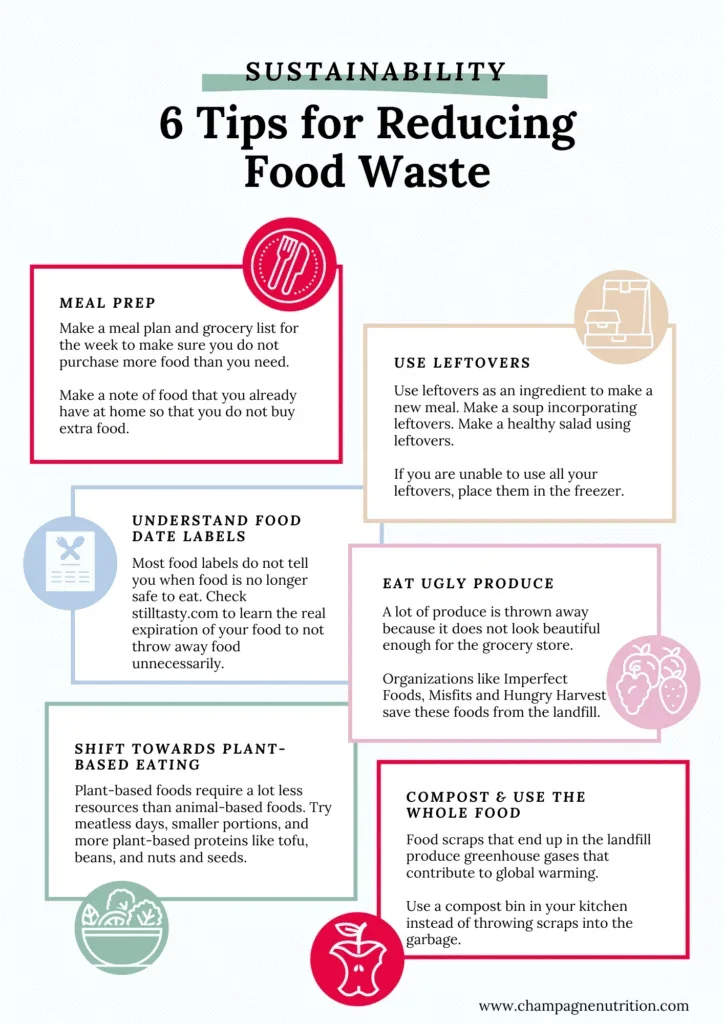
One of the most effective ways to reduce waste is by creating a detailed grocery list based on the planned meals. Reviewing what ingredients are already available at home avoids duplicate purchases. Including specific quantities helps buy only what is needed, preventing oversupply. Prioritizing items that are versatile and have longer shelf lives also cuts down on waste. Shopping with a list keeps the trip focused and limits impulse buys that may not be used.
Utilizing Leftovers Creatively
Leftovers are an excellent resource often overlooked in meal planning. Instead of discarding extra food, turning it into new meals not only saves money but also reduces waste. For example, roasted vegetables can be transformed into soups, or leftover rice can become fried rice. Planning dishes that share ingredients allows for easy incorporation of leftovers. Keeping a flexible approach to meal prep empowers families to be creative and resourceful with every ingredient.
Portion Control Strategies for Families
Serving appropriate portions is key to minimizing uneaten food. Families can experiment with smaller servings, especially for younger children, with the option to add more if needed. Measuring ingredients during cooking can also guide consistent portion sizes. Being mindful during mealtimes about the amount each individual eats helps reduce plate waste. Teaching children about portion sizes encourages responsibility and awareness from an early age.
Meal Planning Tools and Resources
Apps and Templates to Simplify Planning
Technology offers many tools designed to assist with meal planning. Various apps allow families to input dietary preferences, create shopping lists, and even organize recipes. Templates can be downloaded and customized to suit individual needs, making planning less intimidating. By leveraging these resources, families can streamline the process and ensure meal plans are both practical and efficient.
Community Resources: Farmers Markets and Food Co-ops
Exploring local community resources such as farmers markets and food co-ops provides access to fresh, affordable ingredients. These sources often offer seasonal produce at lower prices than supermarkets, encouraging meals that align with food waste reduction techniques. Supporting local growers can also inspire new meal ideas and promote sustainability. Many co-ops provide bulk purchasing options, which help reduce packaging waste and allow families to buy exactly the amount needed.
Week-by-Week Sample Meal Plans
Seasonal Recipes Focused on Budget and Waste Reduction
Planning meals around seasonal produce is both budget-friendly and environmentally conscious. Seasonal fruits and vegetables tend to be less expensive and fresher, which reduces spoilage. Incorporating recipes that maximize these ingredients helps families maintain a varied and nutrient-rich diet. Rotating themes week by week, such as meatless Mondays or soup days, can simplify shopping and cooking while keeping meals interesting and aligned with waste reduction goals.
Batch Cooking and Freezing Tips for Busy Families
Batch cooking is an efficient way to save time and limit food waste. Preparing larger quantities of meals and freezing portions allows busy families to enjoy homemade food without daily cooking pressure. It’s important to label and date frozen meals to track freshness. Freezing also preserves leftovers that might otherwise spoil. When properly planned, batch cooking can prevent unnecessary food purchases and reduce the temptation to rely on takeout or processed foods.
Conclusion
Long-Term Benefits of Budget-Friendly Meal Planning
Adopting budget-friendly meal planning strategies has significant long-term benefits for families. Not only does it help save money by reducing food waste, but it also promotes healthier eating habits and greater food security. Over time, families develop better kitchen skills, more thoughtful shopping habits, and an increased appreciation for their food. These changes contribute to a more sustainable lifestyle that supports both the household budget and the environment.