


Understanding Emotional Cravings and Their Impact
What Are Emotional Cravings?
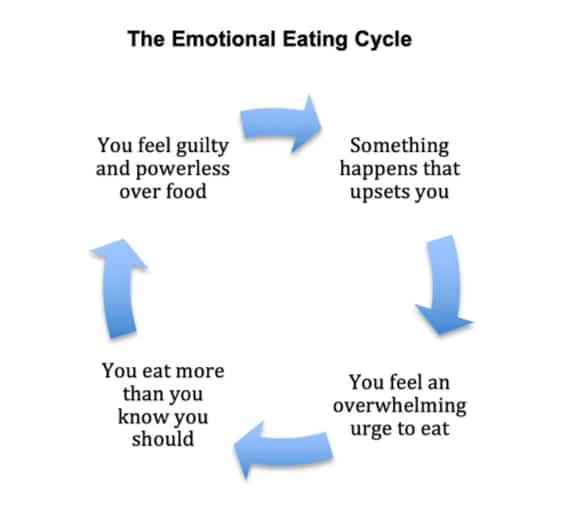
Emotional cravings are intense desires to eat that are triggered by feelings rather than physical hunger. These cravings often arise as responses to stress, boredom, sadness, or even happiness. Unlike regular hunger, which signals the body’s need for nourishment, emotional cravings seek to fulfill an emotional void or provide comfort.
How Emotional Cravings Differ from Physical Hunger
Physical hunger develops gradually and can be satisfied by any type of food. In contrast, emotional cravings tend to appear suddenly and are usually focused on specific comfort foods, such as sweets or fried snacks. Additionally, emotional hunger is rarely about satisfying nutritional needs but rather about soothing feelings or distracting the mind.
The Psychological Triggers Behind Emotional Eating
Emotional eating is often rooted in psychological factors. Stressful situations, unresolved emotions, and even habitual responses to certain environments can trigger cravings. For example, after a tough day, a person might reach for a snack to cope with anxiety or sadness. Understanding these triggers is essential to manage cravings effectively and to avoid the negative cycle of using food as a primary emotional outlet.
Quick At-Home Techniques to Shift Focus
Engaging in Creative Hobbies
Diving into creative activities can be one of the most effective ways to divert your mind from emotional cravings. Whether it’s painting, drawing, knitting, or crafting, these hobbies demand your full attention and invoke feelings of accomplishment. The process of creating something helps redirect emotional energy into productive, satisfying outlets that boost mood without involving food.
Physical Activities That Don’t Require a Gym
Physical movement can significantly reduce emotional cravings by releasing endorphins and offering a healthy outlet for stress. You don’t need a gym membership to benefit; simple exercises like stretching, yoga, walking around your home or neighborhood, or even dancing to your favorite music can clear your mind. These activities occupy your body and mind, leaving less room for emotional eating impulses.
Mindfulness and Breathing Exercises to Center Your Mind
Mindfulness techniques help you become aware of your cravings without acting on them impulsively. Simple breathing exercises, such as deep diaphragmatic breathing or progressive muscle relaxation, can calm the nervous system and enhance self-control. Practicing mindfulness encourages you to acknowledge your feelings without judgment and allows space for cravings to pass naturally.
Nurturing Emotional Well-Being Without Food
Journaling for Emotional Release
Writing down your thoughts and feelings can be a powerful method to process emotions that trigger cravings. Journaling provides clarity by externalizing internal experiences and helps identify patterns or specific stressors contributing to emotional eating. Over time, this practice offers insight into emotional needs and cultivates healthier coping strategies.
Connecting with Supportive People Virtually
Reaching out to friends, family, or support groups online can alleviate feelings of loneliness or anxiety that often lead to emotional cravings. Meaningful conversations and shared experiences provide emotional reassurance and distraction. Setting regular virtual meetings or calls can enhance your support network, making it easier to resist turning to food for comfort.
Listening to Uplifting Music or Podcasts
Music and podcasts are easily accessible tools that can shift your mood and redirect your thoughts. Uplifting music stimulates positive emotions, while podcasts can engage your attention with interesting stories or educational content. Both options help to fill the space that cravings might otherwise occupy, helping maintain emotional balance during vulnerable moments.
Setting Up Your Environment for Success
How to Create a Calm and Distraction-Friendly Space
Your immediate environment plays a crucial role in managing emotional cravings. Setting up a calm space with minimal distractions can help you focus on healthier coping mechanisms. Incorporate elements like soft lighting, comfortable seating, or calming scents such as lavender. This kind of space encourages relaxation and mindful activities, reducing the urge to eat emotionally.
Removing Temptations Without Overhaul
Completely banning comfort foods might lead to increased cravings or feelings of deprivation. Instead, try to subtly reduce their availability in your home. Keeping tempting foods out of sight or replacing them with healthier alternatives allows you to make more conscious choices without feeling restricted. This balanced approach fosters long-term success in managing emotional eating.
Long-Term Lifestyle Habits to Reduce Emotional Cravings
Developing Consistent Sleep Patterns
Quality sleep is fundamental in regulating mood and appetite. Irregular or insufficient sleep disrupts hormones that control hunger and can intensify emotional cravings. Establishing a consistent sleep routine, such as going to bed and waking up at the same times daily, helps stabilize these hormones and reduces the likelihood of turning to food as an emotional crutch.
Incorporating Regular Stress-Reducing Practices
Chronic stress is a significant driver of emotional cravings. Integrating daily stress management techniques—like meditation, gentle exercise, or hobbies—can decrease stress hormone levels and improve emotional resilience. Over time, these practices reduce the frequency and intensity of cravings by addressing their root causes rather than just the symptoms.
Building a Balanced Routine That Supports Emotional Health
Creating a daily routine that prioritizes both physical and emotional well-being lays a strong foundation for minimizing emotional cravings. This includes balanced nutrition, scheduled relaxation time, exercise, social connection, and self-reflection. A structured lifestyle nurtures stability and self-awareness, making it easier to recognize emotional cues and respond in healthy, non-food-related ways.