


Why Remote Workers Need Quick Energy-Boost Exercises
Understanding Energy Slumps During Remote Work
Working from home often means spending long hours seated, glued to screens, and facing minimal physical movement. It’s easy to fall into a rhythm where fatigue and sluggishness set in, especially in the mid-morning or mid-afternoon. These energy slumps can hurt productivity and focus, making it harder to complete tasks efficiently. Without the typical office dynamics that encourage movement—like walking to meetings or chatting by the water cooler—remote workers might find themselves feeling drained much faster.
The Benefits of Short Exercise Breaks
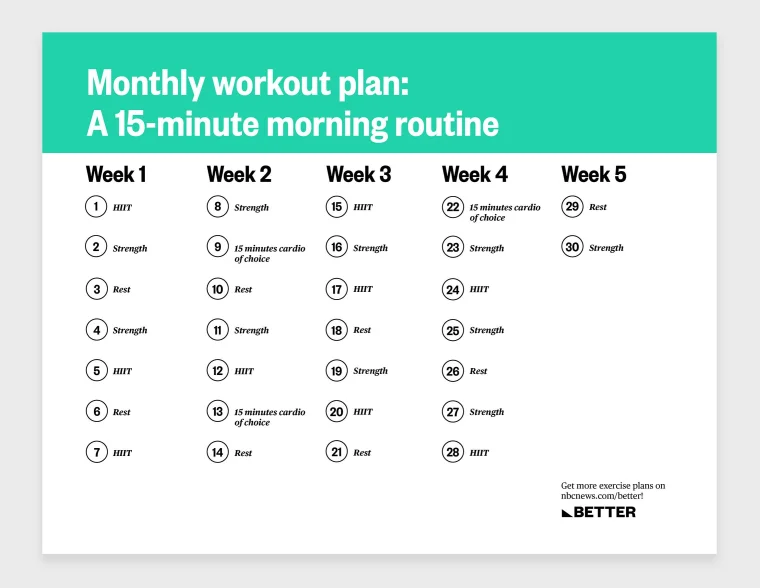
Short bursts of physical activity can be game-changers during your workday. Even just 15 minutes of focused movement helps reactivate your muscles, improves blood flow, and boosts oxygen delivery to your brain. This combination primes your mind to think more clearly and your body to feel more alert. Incorporating brief exercise breaks not only counters the effects of prolonged sitting but also promotes mental well-being, reducing stress and anxiety often linked with remote work isolation.
Top 5 Quick Exercises to Boost Your Energy in 15 Minutes
Jumping Jacks
Jumping jacks are a simple classic that gets your heart rate up quickly. They don’t require any special equipment or space, making them perfect for small home offices. Doing jumping jacks for just a minute or two can stimulate circulation, instantly waking up your body and mind. Plus, they’re fun and help break the monotony of sitting.
Desk Push-Ups
Desk push-ups are an easy way to engage your upper body without needing to get down on the floor. Using the sturdy edge of your desk, you can strengthen your arms, shoulders, and chest. This exercise also encourages proper posture by activating your core. It’s a practical move to include, especially if you want a quick strength boost that fits seamlessly into your work routine.
Standing Lunges
Moving your legs is vital after sitting for long periods, and standing lunges do the trick well. They stretch and strengthen your lower body, improving balance and flexibility. Lunges also promote better circulation in your legs, which helps reduce stiffness and fatigue. With a few repetitions on each leg, you’ll feel more grounded and ready to return to your tasks.
Seated Torso Twists
This exercise is perfect if you prefer to stay seated but want to counteract the effects of sitting too long. Seated torso twists help release tension in your spine and improve mobility. They engage your core and can ease lower back discomfort. Incorporating these twists into your routine encourages a gentle but effective way to stay active without leaving your chair.
High Knees

High knees raise your heart rate efficiently and add an element of cardio to your break. You don’t need a large area to do them—they can be performed in place with minimal space. This exercise amplifies your energy levels by activating your legs and improving circulation, giving you an instant wake-up call after a long stretch of sitting.
How to Create a 15-Minute Energy Boost Routine
Combining Exercises for Maximum Effect
Building a routine that fits into 15 minutes means selecting a combination of exercises that complement each other. Starting with jumping jacks or high knees can quickly elevate your heart rate. Follow that with strength and mobility moves like desk push-ups and standing lunges to engage different muscle groups. Finish up with seated torso twists to relax your spine and core. This flow balances cardio, strength, and flexibility efficiently, ensuring your body feels energized and ready to focus again.
Timing and Intensity Tips
When devising your routine, it’s important to balance intensity so you don’t exhaust yourself. Aim for intervals of about 30 to 60 seconds per exercise, with short breaks in between if needed. You can repeat the circuit twice or thrice, depending on your fitness level and time. Listening to your body is key—push yourself to feel energized, not drained. Gradually increasing intensity over days helps build endurance without risking burnout or injury.
Incorporating Energy-Boosting Stretches for Remote Work
Neck and Shoulder Stretches
Stiffness in the neck and shoulders is common when working at a desk for hours. Simple stretches such as gentle head tilts, shoulder rolls, and arm crosses can relieve tension and improve circulation in these areas. Incorporating these stretches into your routine refreshes your upper body, reducing discomfort caused by poor posture and prolonged sitting. They’re a subtle way to maintain mobility without interrupting your work excessively.
Lower Back Relief Moves
The lower back often bears the brunt of long hours sitting. Stretching to alleviate tightness can prevent pain and stiffness that hamper productivity. Movements like seated forward bends or gentle twisting can relax muscles and increase flexibility. These stretches support spinal health and complement your energy-boost exercises, making it easier to maintain comfort throughout the day.
Tools and Apps to Stay Consistent With Your Energy Breaks
Top Fitness Apps for Quick Workouts
Staying consistent with brief exercise requires motivation and reminders. Fitness apps designed for short workouts can help you stick to your routine. Many apps offer customizable quick exercise circuits or even energy-boost routines specifically intended for busy professionals. These tools simplify tracking progress and provide guided sessions that keep you engaged and accountable.
Using Timers and Reminders Effectively
One of the biggest challenges in remote work is remembering to step away and move. Setting timers or reminders on your phone or computer can prompt you to take breaks regularly. Scheduling these energy bursts into your calendar reinforces discipline and helps prevent those draining long stretches of inactivity. The key is to treat these exercise breaks as non-negotiable appointments with yourself, ultimately improving your well-being and work performance.