


Understanding Work-Related Stress and Its Impact
Definition and Causes of Work-Related Stress
Imagine Lisa, a project manager juggling multiple deadlines, constant emails, and back-to-back meetings. She often feels overwhelmed and anxious by the end of her workday. This scenario illustrates work-related stress, a state of mental or emotional strain resulting from job demands that exceed an individual’s coping abilities. Common causes include excessive workload, lack of control over tasks, unclear job expectations, and poor workplace relationships. Stress at work can sneak up quietly, accumulating until it starts affecting daily productivity and well-being.
Physical and Psychological Effects on Employees
Tom, a customer service representative, began noticing headaches and fatigue that he attributed to his stressful job. These physical symptoms, along with irritability and difficulty concentrating, are common manifestations of work-related stress. Chronic exposure can lead to burnout, decreased job satisfaction, and even absenteeism. Psychologically, stress may cause anxiety, mood swings, and trouble sleeping, creating a cycle that further hampers performance. Recognizing these effects early is crucial in finding effective ways to manage stress.
The Science Behind Breathing Exercises
How Breathing Affects Stress Levels
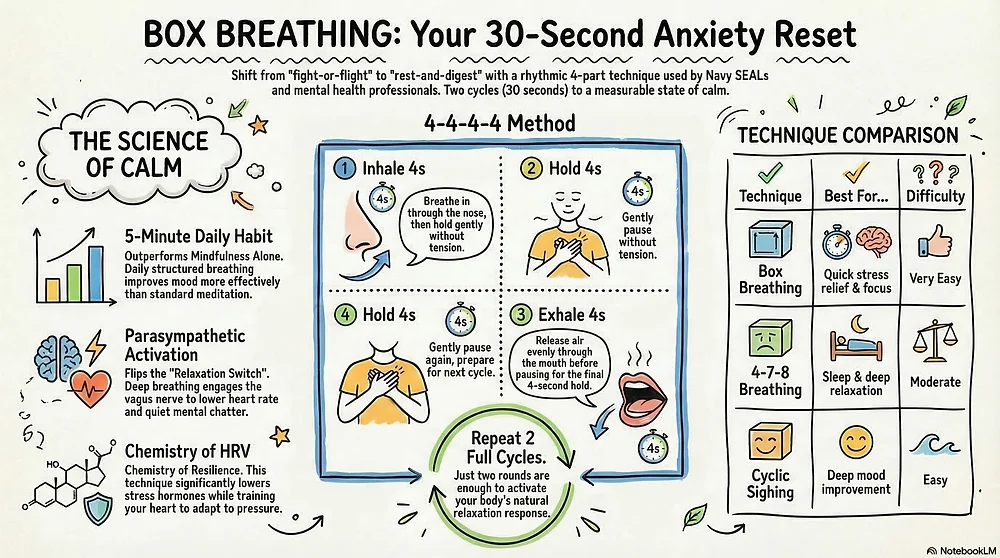
One afternoon, Emma took a moment to focus on her breathing during a particularly hectic day. She noticed a subtle calmness settling in. Breathing exercises work because they influence the autonomic nervous system, which regulates stress responses. Slow, deep breaths activate the parasympathetic nervous system, promoting relaxation and reducing the production of stress hormones. This natural mechanism allows the body to shift from a fight-or-flight mode to a more tranquil state, easing tension and clearing the mind.
Neurophysiology of Breath Control
The act of controlled breathing engages brain regions such as the prefrontal cortex, which plays a role in emotional regulation. Neurophysiological studies show that deliberate breath patterns can modulate heart rate variability — an indicator of the body’s ability to adapt to stress. For example, when a person inhales deeply, signals travel via the vagus nerve to the brainstem, which then signals the release of calming neurotransmitters. This connection between breath and brain highlights why simple breathing exercises have a profound impact on mental and physical states.
Top Daily Breathing Exercises for Stress Relief
Box Breathing Technique
During a tough presentation, Mark paused and practiced box breathing — inhaling for four seconds, holding for four, exhaling for four, and pausing again for four. This rhythmic pattern helped him regain focus and reduce anxiety. Box breathing is especially useful in moments requiring composure and clarity, making it a handy technique for stressful work situations.
4-7-8 Breathing Method
When Sara struggled with racing thoughts before a big client call, she tried the 4-7-8 method. By breathing in for four seconds, holding for seven, and exhaling for eight, she found her heart rate slowing and her mind easing. This exercise can act like a natural tranquilizer, perfect for managing acute stress or winding down after a hectic day.
Alternate Nostril Breathing

Ravi introduced alternate nostril breathing into his lunchtime routine, breathing through one nostril at a time in a balanced rhythm. This method promotes mental clarity and emotional balance by harmonizing the brain’s hemispheres. Incorporating it daily helped him maintain steadiness through challenging afternoons.
Diaphragmatic Breathing
Linda often noticed her chest tightening during stressful meetings. She learned diaphragmatic breathing, focusing on deep breaths that expand the belly rather than shallow chest breaths. This technique increases oxygen intake and calms the nervous system, making it a powerful tool for managing persistent work tension.
Integrating Breathing Exercises into Your Workday
Quick Breathing Routines During Breaks
During a 10-minute break, Jason found that sitting quietly and practicing box breathing not only refreshed his mind but also prepared him for the tasks ahead. Even brief sessions of focused breathing can interrupt the stress cycle, helping employees return to work feeling more centered. Incorporating these moments between meetings or after challenging conversations creates space for recovery without interrupting workflow.
Creating a Stress-Reduction Ritual at Work
To make breathing exercises a habit, Mia set a daily reminder to practice diaphragmatic breathing first thing in the morning and before leaving the office. Establishing a ritual around these exercises anchors them as a priority rather than an afterthought. The ritual might include a quiet spot, a comfortable chair, or calming music, transforming the practice into a personal sanctuary amid workplace chaos.
Additional Tips to Maximize Stress Reduction
Combining Breathing with Mindfulness and Meditation
Integrating breathing exercises with mindfulness enhances their effect. For instance, during a mindful breathing session, Carlos observed his thoughts without judgment while focusing on his breath. This dual approach fosters awareness of stress triggers and cultivates a calm, grounded response. Even short periods of mindfulness combined with breath control can disrupt stress patterns and improve emotional resilience.
Ergonomics and Workplace Environment Adjustments
Breathing exercises are more effective when supported by a conducive work environment. Ellen rearranged her workstation to face natural light and invested in an ergonomic chair, noticing a decrease in physical strain that complemented her breathing practice. Reducing clutter, controlling noise levels, and ensuring proper posture work hand-in-hand with breathing techniques to create a holistic strategy for managing work-related stress.