


Understanding Mental Fog and Its Impact on Meetings
Defining Mental Fog: Causes and Symptoms
Imagine sitting down for a crucial meeting and realizing your thoughts are clouded, your focus fragmented. This sensation, often referred to as mental fog, is a common experience characterized by forgetfulness, confusion, and difficulty concentrating. Mental fog can arise from various factors such as lack of sleep, stress, dehydration, or even prolonged screen time. For instance, Sarah, a marketing manager, noticed she often struggled with clarity after back-to-back virtual meetings, which sapped her mental energy and left her feeling drained.
Why Mental Clarity is Crucial for Success in Meetings
Clear thinking during meetings is essential not only to absorb information but also to contribute meaningfully. When mental fog takes hold, it becomes challenging to make decisions, respond promptly, or grasp nuanced topics. Consider John, a project leader, who once missed key action points because he was mentally scattered. The ability to stay sharp boosts confidence and professionalism, ensuring you present ideas with precision and engage effectively with colleagues.
How Breathing Influences Cognitive Function
The Science Behind Breath and Brain Activity
Breathing is more than just a physical necessity; it plays a crucial role in brain function. Deep, controlled breaths increase oxygen flow to the brain, enhancing alertness and cognitive performance. When you breathe shallowly or erratically, your brain receives less oxygen, which can contribute to that sluggish, foggy feeling. Neuroscience studies reveal that mindful breathing activates the parasympathetic nervous system, reducing stress hormones and promoting mental clarity. For example, athletes often use breathing techniques before competitions to heighten focus and calm nerves.
Common Breathing Patterns That Contribute to Mental Fog
Many people unknowingly engage in breathing patterns that exacerbate mental fog. Rapid, shallow breathing or holding the breath during stressful moments limits oxygen intake and heightens anxiety. Picture Emma, preparing for a presentation, who found herself gasping for breath without realizing it was worsening her anxiety and fogginess. Becoming aware of such patterns is the first step toward adopting healthier breathing habits that refresh the mind.
Simple Breathing Techniques to Clear Mental Fog Quickly
Box Breathing: Step-by-Step Guide
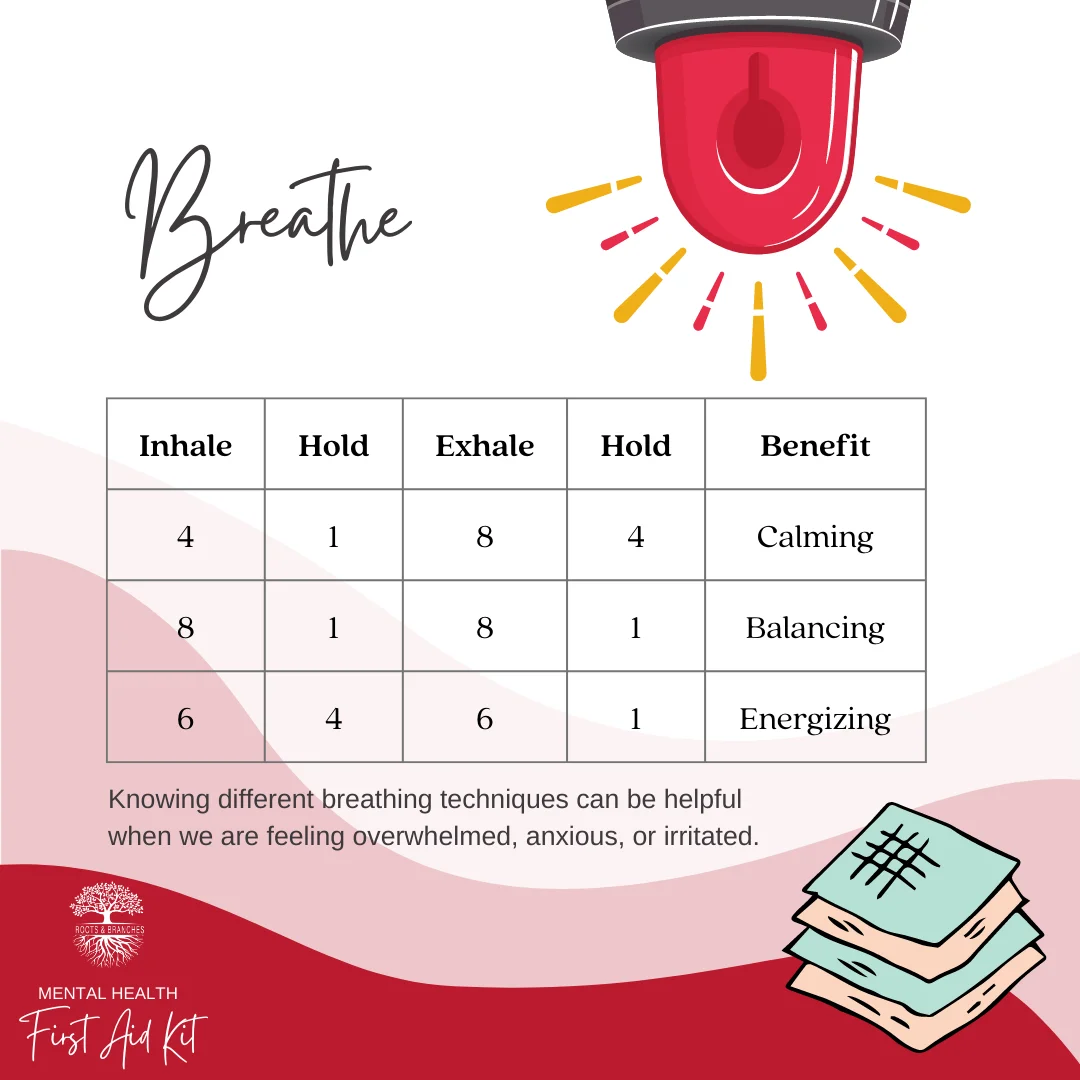
Box breathing is a straightforward technique favored by professionals like Navy SEALs to maintain composure under pressure. Start by inhaling deeply through your nose for a count of four, hold the breath for four seconds, then exhale slowly for four seconds, and hold again for four seconds before repeating. Sarah found that practicing this just five minutes before her meetings helped center her thoughts and reduce pre-meeting jitters. It’s simple yet effective for bringing mental focus swiftly.
4-7-8 Breathing for Instant Calm
The 4-7-8 method is another powerful tool to soothe the mind. Begin by inhaling quietly through the nose for four seconds, hold the breath for seven seconds, and exhale forcefully through the mouth for eight seconds. This pattern promotes relaxation by slowing the heart rate and calming the nervous system. When John implemented this before meetings, he noticed a remarkable drop in his anxiety and a clearer mind ready to tackle complex discussions.
Alternate Nostril Breathing for Focus

This ancient practice, rooted in yoga, involves breathing through one nostril at a time to balance the brain’s hemispheres. Using your right thumb, close the right nostril and inhale through the left nostril. Then close the left nostril with your ring finger, release the right nostril, and exhale through it. Continue this alternating pattern for several breaths. Emma tried this technique during a stressful morning and found her mental fog lifted, replaced by a calm, focused state ideal for her demanding day.
Integrating Breathing Exercises into Your Pre-Meeting Routine
Creating a Quiet Space for Practice
To gain the maximum benefit from breathing exercises, finding a calm and distraction-free environment is key. This might mean stepping into a quiet conference room, a private office corner, or even outside for a brief moment. John makes it a habit to take five minutes in a quiet space before joining his virtual calls, using earphones and closing his eyes to eliminate distractions. This small preparation drastically improves his engagement level during meetings.
Timing Your Breathing Exercises for Maximum Effect
Timing is crucial. Performing breathing exercises too far in advance may cause the clarity to fade, while doing so right as the meeting starts might feel rushed. A practical approach is to allocate five to ten minutes immediately prior to the meeting to settle your mind. Sarah, for example, schedules a short breathing session after setting up her laptop but before the meeting begins, allowing a seamless transition from preparation to full presence.
Additional Tips to Enhance Mental Clarity Before Meetings
Hydration and Nutrition
Often underestimated, hydration plays a vital role in mental clarity. Even mild dehydration can impair concentration and increase fatigue. Carrying a water bottle and sipping regularly helps maintain optimal brain function. Similarly, consuming balanced meals with proteins, healthy fats, and complex carbohydrates supports sustained energy. Emma noticed that skipping breakfast led to sluggishness, but a simple snack before meetings made a significant difference in her alertness.
Light Physical Activity and Stretching
A brief walk or gentle stretches can wake up both body and mind by increasing blood flow. John integrates a two-minute neck and shoulder stretch routine before meetings, which alleviates tension and sharpens focus. These movements don’t require much time but can reset your posture and relieve muscle stiffness, making it easier to maintain attention during extended discussions.
Conclusion: The Power of Breath in Preparing for Important Meetings
Clearing mental fog before important meetings is not merely about willpower—it’s about harnessing practical strategies that support cognitive function. Breathing exercises offer an accessible, effective way to refresh the mind, reduce stress, and enhance focus. Combined with mindful preparation, including hydration and light physical activity, these techniques empower professionals to engage fully and confidently. By embracing the power of breath, you can transform your pre-meeting routine into a moment of clarity and calm, setting the stage for success.