


Understanding the Importance of Evening Rituals
The Science Behind Sleep and Relaxation
When the day winds down, our bodies naturally prepare for rest. This transition is more than just a feeling; it’s a complex physiological process. The brain releases chemicals like melatonin to help signal that it’s time to sleep. However, modern lifestyles with constant stimulation can interfere with this natural rhythm. Evening rituals can gently guide the mind and body into a state of calm, making it easier to fall asleep and enjoy deeper rest throughout the night.
How Evening Habits Influence Sleep Quality
What you do in the hours before bed can dramatically impact how well you sleep. Activities that raise stress hormones or expose you to bright screens might delay relaxation. Conversely, establishing calming habits can lower heart rate and quiet the mind, setting the stage for restorative sleep. Over time, consistent evening routines create cues that tell your body it’s time to wind down, making the sleep experience smoother and more satisfying.
Creating Your Personalized Evening Routine
Assessing Your Current Sleep Patterns
Start by paying attention to how you currently prepare for bedtime. Do you find yourself tossing and turning, or drifting off easily? Notice any patterns in your sleep—when you go to bed, how long it takes to fall asleep, and how refreshed you feel upon waking. This self-awareness lays the foundation for adjusting habits that support better rest.
Identifying Stress Triggers Before Bedtime
Evening stressors are often overlooked but can greatly hinder sleep quality. Whether it’s last-minute work emails, family responsibilities, or personal worries, recognizing these triggers is key. Once identified, you can create boundaries or develop strategies to minimize their impact during your pre-sleep hours.
Selecting Calming Activities That Suit You
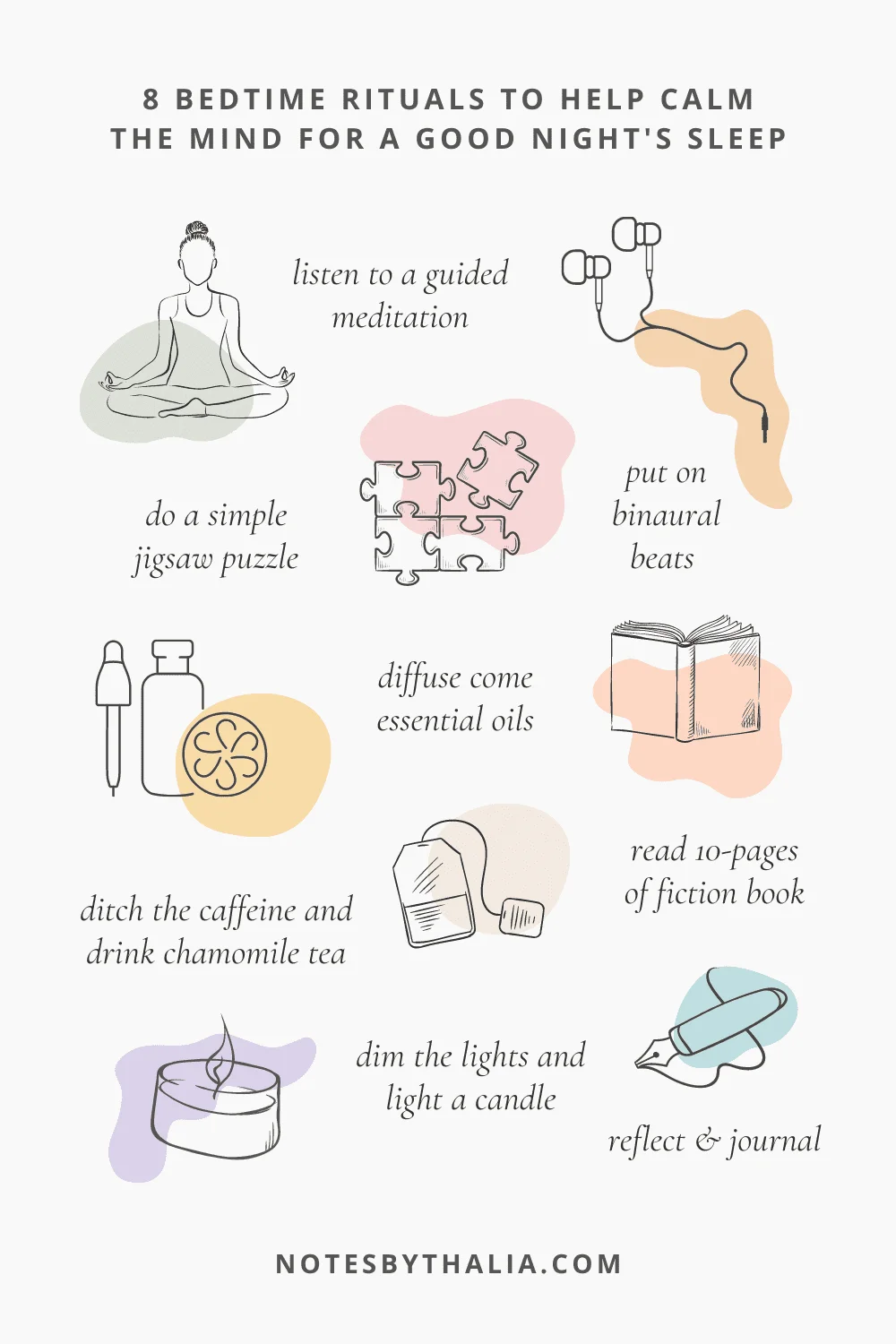
Not every calming ritual works equally for everyone. Some find mindfulness meditation helpful, while others prefer reading or gentle movement. Experimenting with different activities helps tailor your evening routine to what feels most soothing for your unique needs. The goal is to weave in habits that naturally ease tension and promote a peaceful mind.
Top Evening Rituals to Calm the Mind
Mindful Meditation Techniques
Meditation gently redirects your focus inward, encouraging a relaxed mental state. Even a few minutes of mindfulness before bed can help clear the mental clutter accumulated during the day. Simple practices such as focusing on the breath or observing sensations without judgment can cultivate calmness and make the transition to sleep smoother.
Gentle Stretching and Yoga Practices
A series of gentle stretches or yoga poses can release physical tension and encourage relaxation. Slow, deliberate movements combined with deep breathing activate the parasympathetic nervous system—the body’s rest-and-digest mode. Incorporating these practices in the evening can improve flexibility while preparing you for peaceful rest.
Breathing Exercises to Reduce Anxiety
Focused breathing techniques are powerful tools to ease anxiety and promote relaxation. Methods like 4-7-8 breathing or diaphragmatic breathing help slow the heart rate and calm the nervous system. Practicing these exercises before bed can reduce racing thoughts and foster a sense of tranquility.
Natural Sleep Enhancements
The Role of Herbal Teas and Aromatherapy
Herbal teas such as chamomile, lavender, or valerian root have long been associated with calming effects. Sipping a warm cup in the evening can be a comforting ritual that signals it’s time to relax. Aromatherapy, using scents like lavender or sandalwood, can also create a serene atmosphere that encourages restful sleep.
Nutrition Tips for Better Sleep
What you eat in the evening influences how well you sleep. Foods rich in magnesium or tryptophan, such as nuts and seeds, may support relaxation. It’s generally beneficial to avoid heavy meals, caffeine, and alcohol close to bedtime, as these can disrupt natural sleep patterns. Mindful eating habits contribute to a more settled body and mind come nighttime.
Optimizing Your Sleep Environment
Bedroom Lighting and Ambiance
The environment where you sleep plays a critical role in sleep quality. Soft, warm lighting in the evening helps cue your body to wind down. Dimming lights and reducing screen exposure before bed can support the natural production of melatonin. Creating a cozy, inviting space encourages relaxation and a smoother transition to sleep.
Temperature Control and Noise Management

Temperature and sound levels also affect how well you sleep. Cooler room temperatures tend to promote deeper rest, while excessive noise can disrupt sleep cycles. Using earplugs, white noise machines, or fans can help mask disruptive sounds. Finding the right balance creates a peaceful sleeping environment essential for restorative rest.
Tracking and Adjusting Your Evening Rituals
Using Sleep Journals and Apps
Keeping a sleep journal or using tracking apps can provide valuable insight into how your evening routines are working. Recording your activities, sleep times, and how you feel upon waking helps identify what supports your best rest and what may need adjustment. This ongoing process makes it easier to refine your rituals over time.
When to Seek Professional Help
If sleep difficulties persist despite establishing soothing evening habits, it may be helpful to consult a sleep specialist. Persistent issues could stem from underlying conditions that warrant professional evaluation. Recognizing when to seek guidance ensures that you have the support needed to improve your sleep health.