


Understanding Phone Addiction and Its Impact
Defining Phone Addiction
Phone addiction is more than just frequent scrolling or habitual checking; it’s a compulsive behavior where individuals feel an uncontrollable urge to use their smartphones, even when it interferes with daily life. Imagine Sarah, a college student who finds herself grabbing her phone during study sessions, meals, and conversations, often losing track of time without realizing it. This dependency can gradually erode people’s ability to focus and engage meaningfully with their surroundings.

Psychological and Physical Effects of Excessive Phone Use
Excessive phone use can strain mental health, contributing to anxiety, stress, and disrupted sleep patterns. Physically, prolonged screen time often leads to eye strain, headaches, and poor posture. For example, Jake, an office worker, noticed constant neck pain after hours of smartphone use during commuting and breaks. Understanding these impacts highlights why addressing phone addiction is crucial not just for productivity but overall well-being.
The Role of Analog Activities in Mental Health
Why Analog Tasks Attract Mindful Attention
Analog activities, which require hands-on involvement without digital interfaces, naturally invite deeper focus. When Anna picks up her paintbrush instead of her phone, she immerses herself in colors and textures, grounding her attention in the present moment. This tactile engagement reduces mental clutter, fostering mindfulness and relaxation in ways that mindless scrolling rarely achieves.
Comparing Digital vs. Analog Engagement
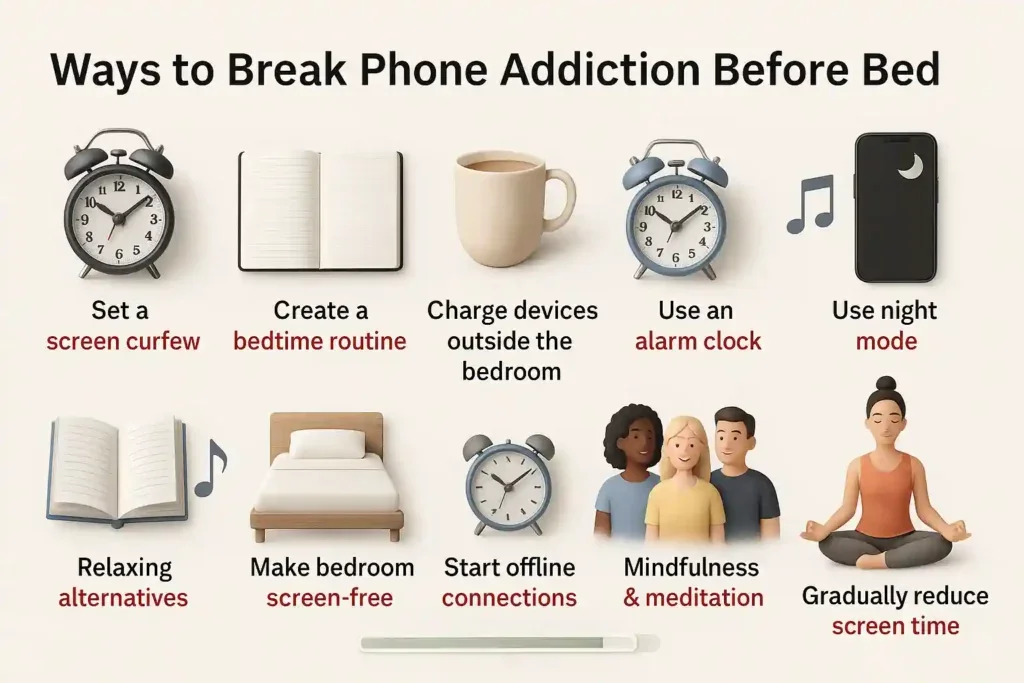
Unlike digital content designed to constantly refresh and capture our attention, analog pursuits promote intentional, slower-paced interaction. While scrolling through endless posts can trigger dopamine spikes with fleeting satisfaction, activities like journaling or crafting offer a sustained sense of accomplishment. Mark, a software developer, found that replacing evening phone usage with gardening helped him wind down naturally, improving his sleep quality.
Step-by-Step Guide to Integrating Analog Activities
Identifying Your Phone Usage Triggers
The first step toward reducing phone addiction is self-awareness. Pinpoint moments when you instinctively reach for your device—perhaps during idle waiting, boredom, or stress. Emily realized she often checked her phone during her daily commute and late at night when winding down. By recognizing these triggers, she could plan analog substitutes that fit seamlessly into those specific times.
Choosing Suitable Analog Alternatives
Selecting analog tasks that genuinely interest you is key to sustainability. If you enjoy creativity, consider sketching or knitting; if physical activity helps, try walking or light exercise. For individuals craving calmness, meditation or journaling might be ideal. Tailoring activities to your preferences increases the likelihood of sticking with them, turning these moments into rewarding rituals.
Setting Gradual Reduction Goals
Suddenly eliminating phone use can be overwhelming and often leads to relapse. Start small by replacing just one or two daily phone-checking sessions with an analog activity. For instance, David decided to read a chapter of a book instead of scrolling during his lunch break. Over weeks, he expanded these periods and noticed his cravings for phone usage naturally diminish.
Top Analog Activities to Replace Screen Time
Creative Arts: Drawing, Painting, and Crafting
Engaging in creative arts channels mental energy into producing something tangible. When Maya set aside 20 minutes each evening to sketch, she found an outlet for self-expression that calmed her restless thoughts. Crafting, whether making simple paper decorations or experimenting with clay, stimulates fine motor skills and encourages immersion that distracts from digital cravings.
Physical Moving: Walking, Gardening, and Sports
Physical activity breaks the cycle of sedentary phone use and boosts mood through natural endorphin release. A simple walk outside, like John’s daily neighborhood stroll after work, can clear the mind and reduce urges to check notifications. Gardening allows for nurturing growth and connecting with nature, while sports add fun and social interaction, creating fulfilling alternatives to screen time.
Mindfulness Practices: Journaling and Meditation
Mindfulness-based activities deepen self-awareness and reduce anxiety often intertwined with phone addiction. Journaling allows reflection on emotions and progress, helping track struggles and achievements. Meditation, even for a few minutes, lowers stress and improves focus. Rachel used guided meditations every morning as a phone-free ritual that set a peaceful tone for her day.
Tracking Progress and Adjusting Your Approach
Using Habit Trackers and Journals
Recording your journey helps maintain motivation and identify patterns. Habit trackers, whether apps or physical calendars, visually show improvements over time, encouraging consistency. Writing in a journal about successes and challenges offers insight into what works and what needs adjustment. For example, Leo realized via his entries that evening boredom was a strong trigger, leading him to incorporate puzzles as an analog distraction.
Celebrating Small Wins and Staying Motivated
Recognizing and rewarding progress, no matter how minor, reinforces positive behavior. After a week of reduced screen time, treat yourself to a favorite non-digital activity or simply acknowledge the accomplishment with a sense of pride. This approach helps maintain enthusiasm and frames the journey as manageable rather than daunting, building confidence step by step.
Additional Tips to Reinforce Analog Habits
Creating Phone-Free Zones and Times
Designate specific areas or periods devoid of phones to encourage analog engagement naturally. For example, the dining table can become a phone-free zone, promoting face-to-face conversation. Setting boundaries like no phones an hour before bedtime helps ease the transition into sleep-ready activities without blue light interference, supporting healthier routines.
Engaging Social Support for Accountability
Involving friends or family can strengthen commitment to reducing phone dependence. Sharing goals with a partner or participating in group analog activities adds accountability and companionship. When Mike and his friends started weekly board game nights, they found joy in connection without screens, making it easier to resist digital distractions together.
Conclusion: The Long-Term Benefits of a Balanced Digital Lifestyle
Breaking free from phone addiction doesn’t require abrupt digital detoxes; instead, integrating analog activities offers a sustainable, gradual path toward balance. By embracing tactile creativity, physical movement, and mindfulness, individuals reclaim focus, improve mental health, and enhance real-world connections. This balanced approach not only reduces harmful effects of excessive phone use but nurtures a richer, more present daily experience—one small analog step at a time.