


Understanding the Importance of Balanced Weekly Meal Prep
Benefits for Busy Professionals
When your days are packed from morning till night, finding time to eat healthily can feel impossible. Balanced weekly meal prep offers a practical solution, allowing busy professionals to take control of their nutrition without the stress of daily cooking. Preparing meals ahead not only saves precious time but also reduces the temptation to grab quick, often unhealthy options. It’s a strategy that supports consistent energy levels and helps maintain a clear focus throughout demanding workdays.
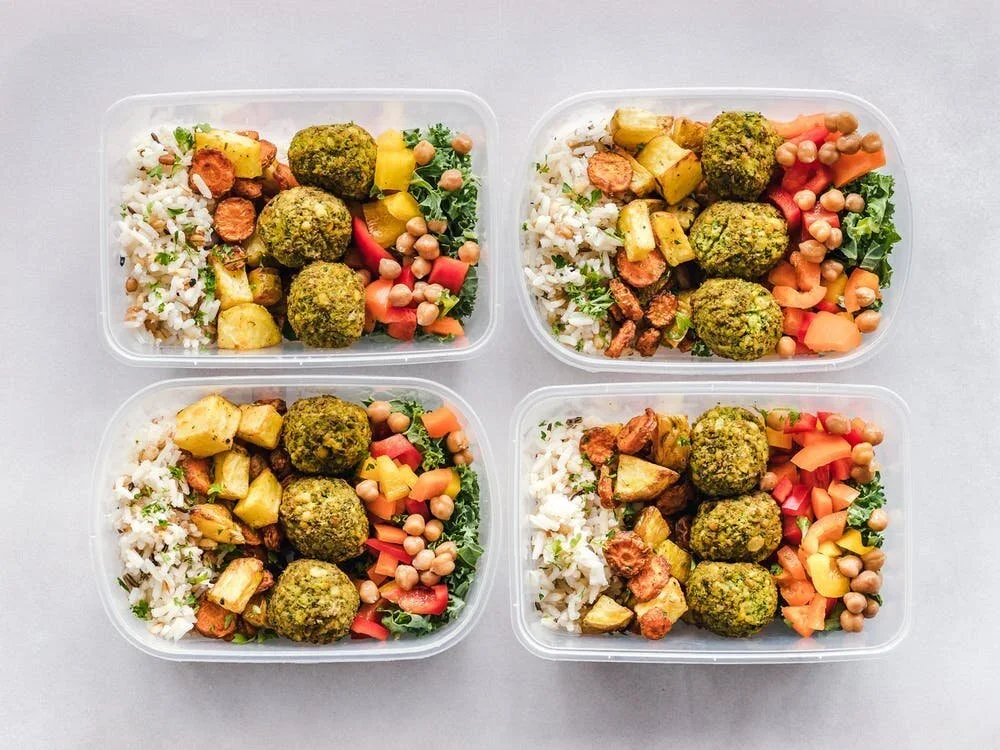
How Balanced Nutrition Affects Productivity
What you eat directly influences how you perform. Balanced meals, rich in the right nutrients, fuel your body and brain, ensuring you stay sharp and productive. Without proper nutrition, energy dips, mental fog, and irritability can creep in, affecting your daily effectiveness. By planning meals thoughtfully, you can nurture your health and sustain productivity, proving that what’s on your plate is closely tied to what you achieve at work.
Setting Realistic Goals for Your Weekly Meal Plan
Assessing Your Dietary Needs and Preferences
Before diving into meal prep, it’s essential to understand your own body’s needs and food preferences. Whether you’re following a specific diet, managing allergies, or simply aiming for a balanced intake, knowing what works for you helps shape a sustainable plan. This step prevents wasted ingredients and ensures your meals remain enjoyable, increasing the likelihood you’ll stick with your plan long term.
Time Management: Allocating Prep Time Effectively
Meal prepping doesn’t have to consume your weekend. The key is carving out realistic windows for cooking, chopping, and packaging. For some, an hour or two on Sunday might suffice, while others may prefer shorter sessions spread throughout the week. Consider your weekly commitments and energy levels to find a rhythm that feels manageable rather than overwhelming.
Creating a Diverse and Nutritious Meal Template
Incorporating Macronutrients: Proteins, Carbs, and Fats
Crafting balanced meals means paying attention to macronutrients: proteins, carbohydrates, and fats. Proteins help build and repair tissues, carbs provide essential energy, and healthy fats support brain function. Including a good mix of these in each meal stabilizes blood sugar and keeps hunger at bay, helping you avoid mid-afternoon slumps.
Including Micronutrients: Vitamins and Minerals
Micronutrients often get overlooked but are vital for overall health. Vitamins like C and D, along with minerals such as iron and magnesium, play crucial roles in immunity, bone health, and muscle function. Incorporating a range of whole foods like leafy greens, nuts, and fruits ensures you’re covering these nutritional bases without relying on supplements.
Colorful Plates: Importance of Variety in Vegetables and Fruits
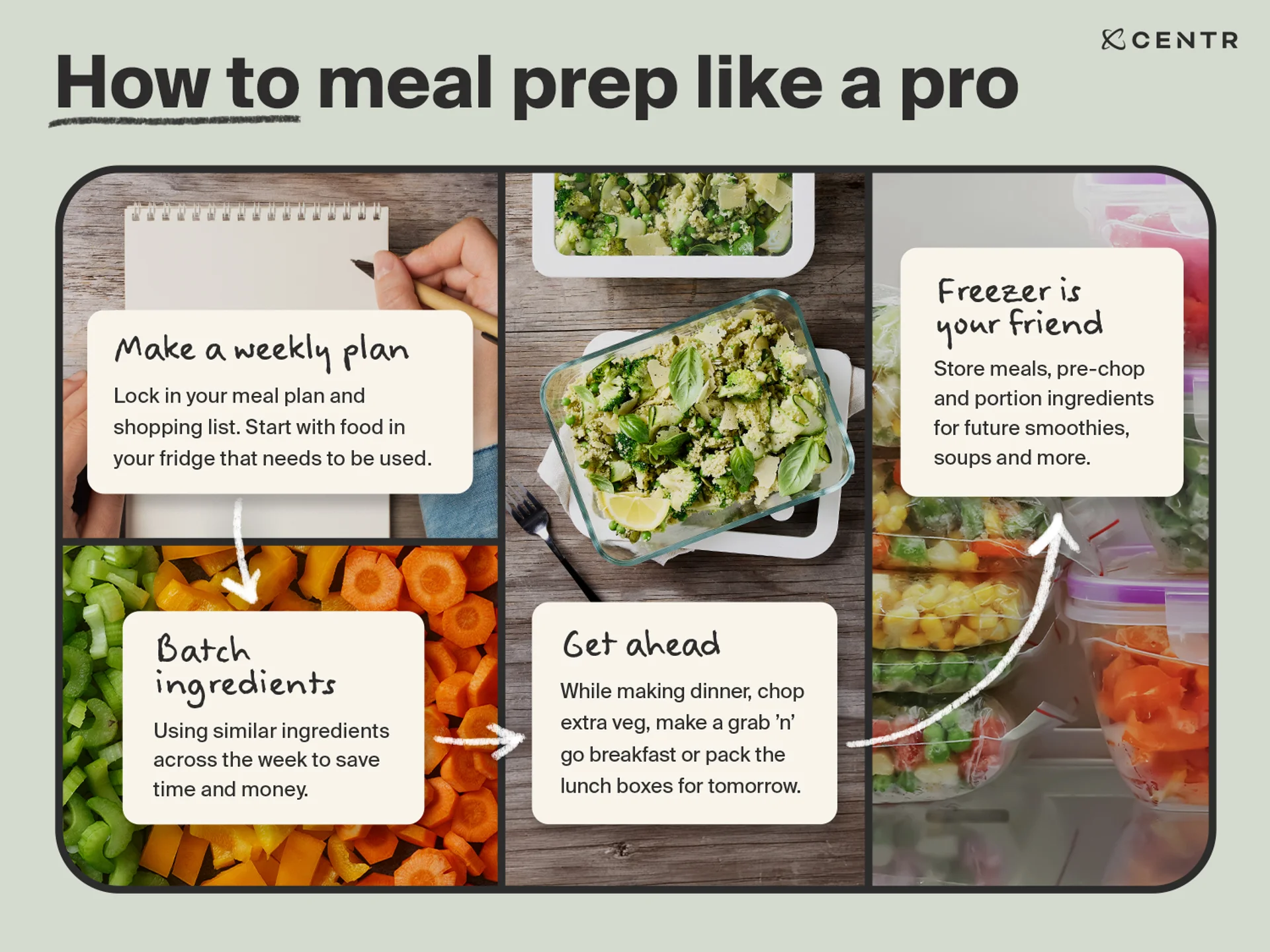
Variety isn’t just visually appealing—it’s nutritionally beneficial. Different colors in fruits and vegetables often indicate diverse antioxidants and nutrients. A colorful plate naturally encourages a broader nutrient intake, contributing to better digestion, reduced inflammation, and increased vitality very practical when balancing a demanding schedule.
Efficient Grocery Shopping Strategies
Building Your Master Grocery List
Once you’ve designed your meals, compile a master grocery list that covers all the essentials for the week. Grouping items by category—proteins, produce, grains—makes shopping more efficient and reduces the chance of missing ingredients. This approach cuts down impulse buys and helps keep your budget on track.
Shopping Tips for Freshness and Budget
Focus on purchasing fresh items early in the week and consider frozen alternatives for longer-lasting produce to avoid waste. Buying seasonal fruits and vegetables can stretch your budget while delivering peak flavor and nutrition. Don’t overlook local markets or bulk sections, which often offer cost-effective and quality options. Planning your shopping route and timing can further streamline your trip.
Step-by-Step Meal Prep Process
Batch Cooking Techniques for Proteins and Grains
Batch cooking forms the core of effective meal prep. Preparing larger portions of proteins like chicken, fish, or plant-based alternatives and staples like rice or quinoa saves time and provides ready components for multiple meals. Cooking these in bulk not only reduces repetitive work but also encourages consistency in your dietary intake.
Vegetable Preparation and Storage
Vegetables require a bit more care to keep fresh. Washing, peeling, and chopping them beforehand can make assembling meals seamless during busy days. Store prepped veggies in airtight containers or portioned bags. Some vegetables, like carrots and bell peppers, hold up well raw, while others benefit from steaming or roasting before storage.
Portioning and Packaging for On-the-Go Meals
Dividing meals into single-serving containers simplifies grab-and-go mornings and lunch breaks. Using BPA-free containers or glass jars helps maintain food quality and allows for easy reheating. Clear labeling with dates ensures you consume items while they’re fresh. This step is crucial to avoid the trap of forgetting meals in the fridge and resorting to less healthy alternatives.
Maintaining Flexibility in Your Weekly Plan
Swapping Ingredients Without Compromising Balance
Rigid meal plans can feel restrictive, so it’s important to build flexibility in. If an ingredient isn’t available or you’re craving a change, swapping out proteins, grains, or vegetables with similar nutritional profiles keeps your meals balanced without derailing your prep efforts. This also keeps your diet varied and enjoyable.
Adapting Meals for Unexpected Schedule Changes
Busy professionals often face sudden shifts in their calendars. Having flexible meals that can be quickly reheated or eaten cold helps adapt to these changes. Consider keeping a few extra simple staples like boiled eggs or mixed nuts on hand to bridge gaps. This preparedness prevents unhealthy last-minute food choices born from time constraints.
Using Technology to Simplify Meal Planning
Top Meal Planning Apps for Busy Professionals
Technology can be a game-changer for streamlined meal prep. Apps like Mealime, Yummly, or Paprika allow you to plan menus, generate shopping lists, and discover new recipes suited to your dietary needs. Many also provide nutritional breakdowns, making it easier to keep your meals balanced. Integrating these tools into your routine reduces planning stress and keeps you organized.
How to Track Nutritional Intake Efficiently
Tracking what you eat can be daunting, but with apps like MyFitnessPal or Cronometer, it becomes manageable. These tools let you log meals quickly, offering insights into your nutrient intake and highlighting areas needing adjustments. Over time, this awareness empowers you to make informed food choices that support both health and work performance.