


Understanding Visualization Exercises
Definition and Core Principles
Visualization exercises involve the deliberate creation of mental images to simulate experiences, outcomes, or processes. At their core, these exercises harness the power of imagination to enhance focus, clarity, and foresight. By mentally rehearsing scenarios, individuals tap into their cognitive resources to prepare for real-world challenges, making abstract goals more tangible.
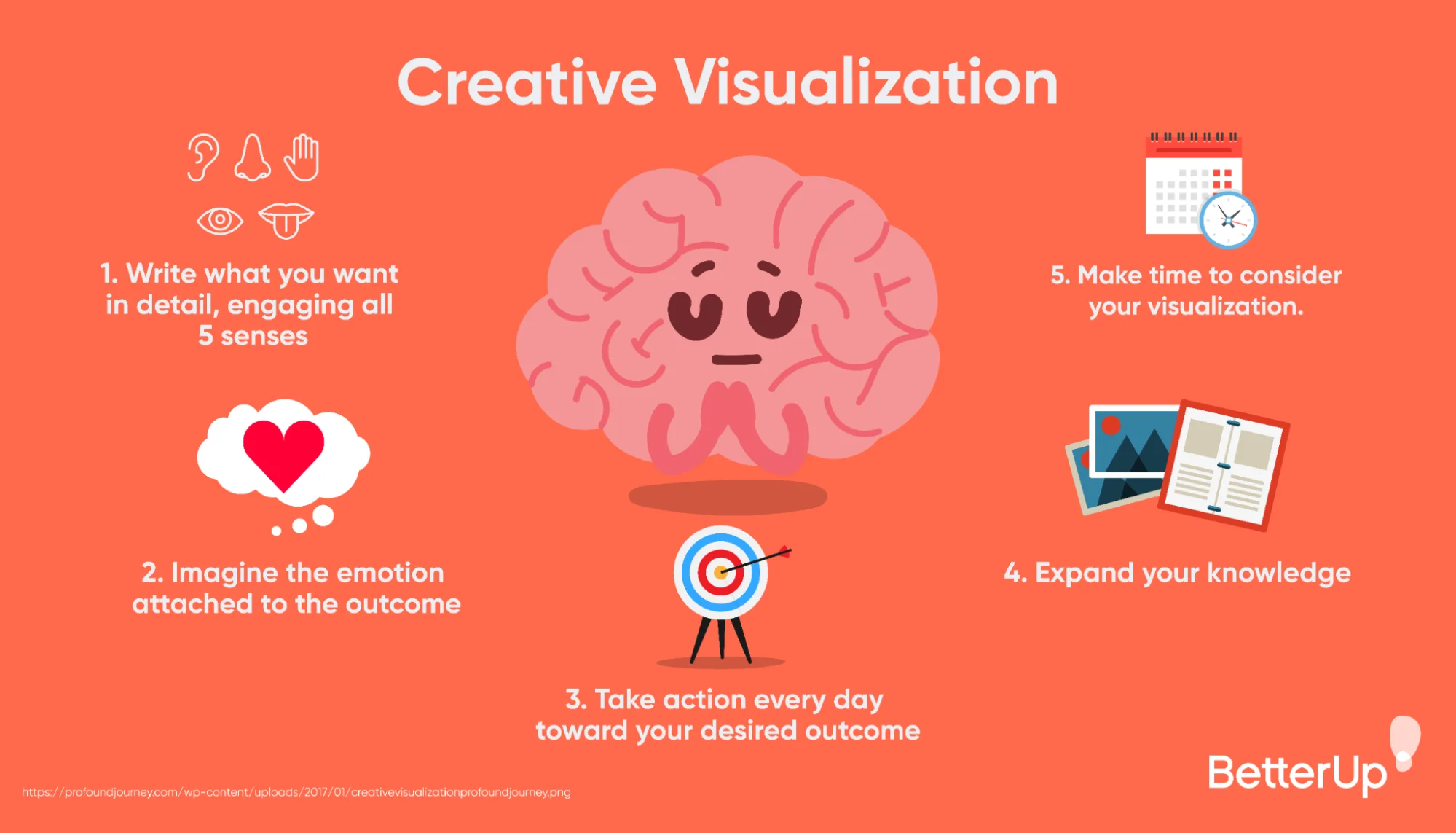
The principle behind visualization is that the brain often processes vivid mental images as if they were real, activating neural pathways that support improved performance and decision-making. This mental simulation can strengthen confidence and reduce uncertainty by clarifying potential outcomes before taking action.
Historical and Scientific Background
The use of visualization dates back centuries, with roots in ancient meditation and mindfulness practices. Over time, athletes, performers, and leaders began incorporating visualization as a technique to enhance performance. Scientific studies have confirmed its benefits, revealing how visualization activates brain regions involved in motor control, emotional regulation, and problem-solving.
Modern cognitive neuroscience shows that visualization strengthens connections between imagination and execution, bridging the gap between thought and action. This evidence makes visualization exercises a valuable tool not only for athletes but also for professionals who face complex decisions and require mental clarity.
How Visualization Enhances Decision-Making
The Psychological Mechanisms at Work
Visualization improves decision-making by engaging various psychological processes. When people visualize different scenarios, they effectively simulate potential outcomes, allowing the brain to evaluate risks and rewards without immediate pressure. This mental simulation reduces cognitive overload and emotional anxiety that often accompany difficult choices.
In addition, visualization cultivates heightened awareness and mindfulness, fostering clearer perception of the options and consequences involved. By mentally rehearsing decisions in a controlled environment, individuals can recognize biases, anticipate obstacles, and identify the best course of action with greater confidence.
Examples of Visualization in High-Stakes Decisions
Professionals in high-stakes fields such as aviation, surgery, and emergency response frequently use visualization to prepare for life-or-death decisions. Pilots, for instance, mentally run through emergency procedures to ensure calm and precise reactions during real crises. Similarly, surgeons visualize complex operations beforehand to enhance focus and anticipate challenges.
Entrepreneurs and executives also use visualization to weigh strategic options, visualizing business outcomes to guide risk management and innovation decisions. These examples demonstrate how visualization serves as a mental rehearsal tool that sharpens decision-making under pressure.
Techniques for Effective Visualization Exercises
Guided Imagery
Guided imagery involves listening to verbal instructions that lead you through detailed visualizations. This technique helps beginners by providing structure and focus, often incorporating multisensory elements to enrich the mental scene. By following a guide, you can explore specific scenarios, emotions, or goals, which deepens engagement and supports mental clarity.
Mental Rehearsal
Mental rehearsal is a proactive technique where you consciously practice actions or decisions in your mind. This method is particularly effective for preparing for presentations, negotiations, or problem-solving tasks. By vividly imagining each step, including potential obstacles and successful resolutions, mental rehearsal strengthens confidence and readiness.
Visualization Scripts and Tools
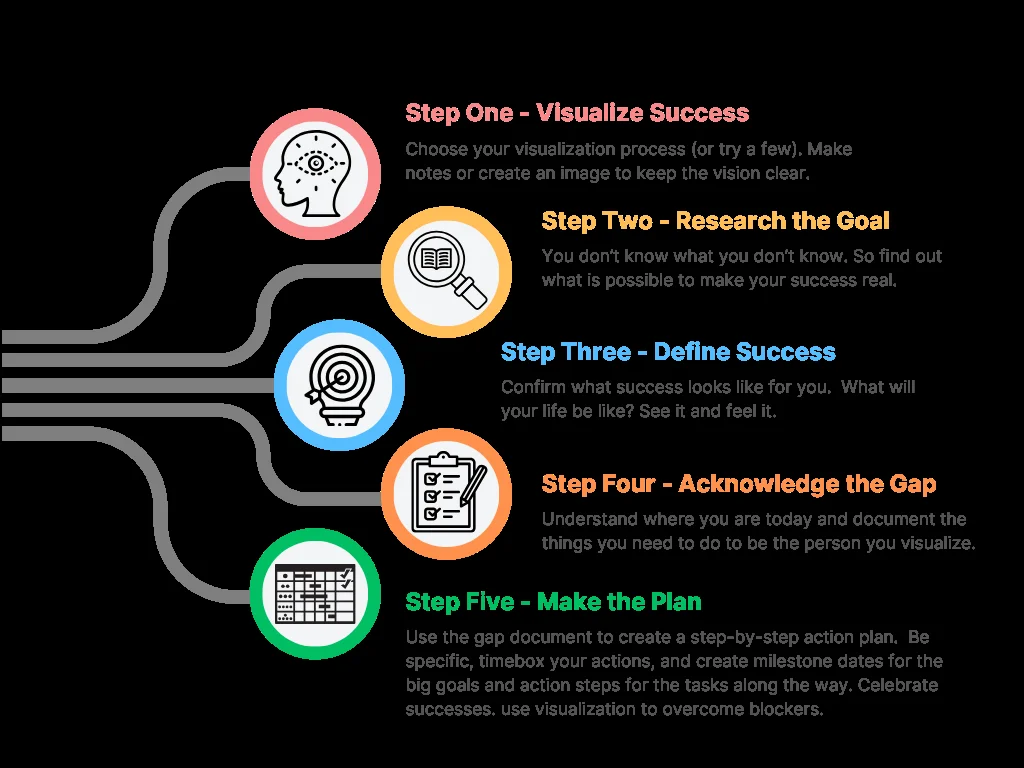
Using scripts or visualization software can enhance consistency and depth in your practice. Pre-written scripts guide the imagination through relevant scenarios aligned with your goals, while apps provide interactive or augmented reality environments to deepen immersion. Choosing a tool that resonates with your preferences increases the likelihood of sustained practice and benefits.
Steps to Incorporate Visualization into Daily Routine
Setting Clear Goals
The first step is to clarify what you want to achieve through visualization. Clear, specific goals provide direction and make mental exercises purposeful. Whether aiming to improve a skill, resolve a dilemma, or boost creativity, defining these targets ensures that visualization remains focused and effective.
Creating a Distraction-Free Environment
Visualization requires concentration, so crafting a quiet, comfortable space free from interruptions is crucial. Turning off electronic devices, dimming lights, and adopting a relaxed posture create an atmosphere conducive to deep mental engagement. A consistent environment signals your brain to enter a focused state, enhancing the quality of the exercise.
Practice Frequency and Duration
Consistency is key when it comes to visualization. Starting with brief sessions of five to ten minutes daily allows you to build the skill without feeling overwhelmed. Gradually increasing duration and complexity maintains progress. Regular practice strengthens neural pathways, making the process more natural and effective over time.
Real-Life Success Stories and Case Studies
Countless individuals have credited visualization with breakthroughs in clarity and decision-making. For example, a CEO facing a major corporate pivot used daily visualization to mentally map scenarios, which helped avoid costly missteps. Similarly, an Olympic athlete employed mental rehearsal to overcome performance anxiety, leading to a personal best at competition.
These stories highlight how visualization not only supports mental preparation but also translates into tangible success by enhancing focus, reducing stress, and improving judgment. They serve as inspiring testimonials for anyone looking to integrate visualization into their own routines.
Common Challenges and How to Overcome Them
Many beginners struggle with maintaining vivid focus or feel skeptical of visualization’s effectiveness. Distractions can interrupt mental images, or individuals may find it difficult to engage their imagination consistently. These issues often stem from unrealistic expectations or a lack of practice.
To overcome these challenges, start with guided exercises to build confidence, and be patient with gradual progress. Using multisensory elements—such as imagining sounds, smells, or tactile sensations—can deepen imagery. Additionally, journaling after sessions helps to track insights and reinforces learning, making the process more rewarding.
Conclusion: Unlocking Mental Clarity Through Visualization
Visualization exercises offer a powerful, accessible method to enhance decision-making and achieve mental clarity. By actively engaging the imagination, individuals can simulate potential scenarios, reduce uncertainty, and prepare more effectively for real-world challenges. With consistent practice, clear goals, and the right environment, visualization transforms abstract thoughts into structured mental plans, unlocking greater confidence and clarity in daily life.