


Understanding the Basics of Budget-Friendly Meal Planning
Why a $50 Weekly Grocery Budget is Challenging but Achievable
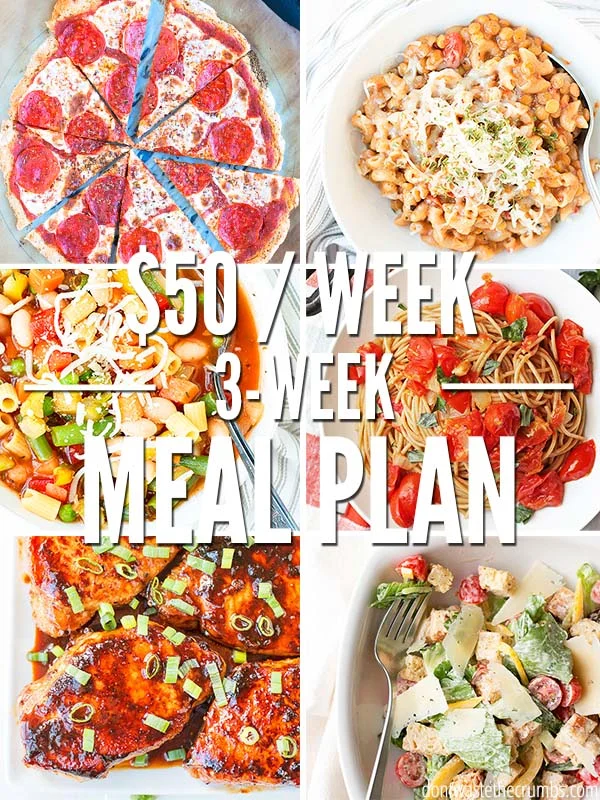
Creating balanced weekly meal plans on a $50 grocery budget can initially seem daunting, especially with rising food prices. Many might worry that this limit restricts variety and nutrition, but with thoughtful planning and smart shopping, it is entirely possible. The key lies in making strategic choices about where to allocate funds and which foods provide maximum nutritional value per dollar spent. Understanding this balance helps prevent overspending while maintaining a healthy diet.
Key Components of a Balanced Meal Plan
A truly balanced meal plan includes a variety of food groups to ensure your body gets essential nutrients. This means incorporating fruits, vegetables, whole grains, lean proteins, and healthy fats throughout the week. On a tight budget, it’s important to prioritize nutrient-dense foods that can serve multiple purposes in meals, such as beans or eggs, rather than expensive specialty products. Planning meals around these core components supports both health and financial goals.
Smart Strategies to Stretch Your Grocery Budget
Shopping Tips for Affordable and Nutritious Ingredients
When shopping with a $50 cap, focusing on affordable staples like rice, beans, oats, and seasonal vegetables is vital. These ingredients not only cost less but provide versatility and nutrition. Shopping at discount stores or local markets, comparing prices, and purchasing store brands instead of premium labels can further reduce costs without sacrificing quality. Planning your grocery list before heading to the store helps avoid impulse buys and ensures you stick to essentials.
Seasonal and Bulk Buying Advantages
Buying produce that’s in season generally costs less and tastes better, making it a smart choice for budget-conscious shoppers. Bulk purchasing non-perishable items, like dried legumes, grains, or canned tomatoes, can save money in the long run as you often pay a lower price per unit. However, it’s important to consider storage space and plan usage carefully to avoid waste. Balancing bulk buys with fresh items ensures nutrition and variety.
Utilizing Coupons and Discounts Without Compromising Quality
Coupons and store discounts can provide significant savings, but it’s essential to use them wisely. Focus on discounts for items you already plan to buy rather than being driven solely by offers. Digital coupon apps or weekly flyers can alert you to deals on quality products, allowing you to stock up on nutritious essentials. This strategic use of savings helps maintain a balanced diet without resorting to less healthy, heavily processed options just because they’re cheap.
Step-by-Step Guide to Crafting Your Weekly Meal Plan
Assessing Your Nutritional Needs and Preferences
The first step in meal planning is understanding the nutritional goals and food preferences of everyone in your household. Consider any dietary restrictions, allergies, or calorie requirements. This evaluation ensures that your meals provide adequate energy and nutrients tailored to individual needs. Gathering this information before grocery shopping helps you select foods that satisfy those requirements while staying within budget.
Selecting Versatile Ingredients for Multiple Meals
Choosing ingredients that can be used in various dishes throughout the week boosts both efficiency and budget management. For example, a batch of cooked chicken can be transformed into salads, stir-fries, or sandwiches. Similarly, grains like quinoa or rice serve as bases for lunches and dinners alike. This versatility reduces the need to purchase many specialized items, making each ingredient work harder for your money.
Creating a Meal Prep Schedule to Save Time and Money
After deciding on your meals, setting a meal prep schedule can make a huge difference in managing time and reducing food waste. Preparing ingredients in advance, such as chopping vegetables or cooking grains, streamlines cooking during the week. It also prevents last-minute unhealthy food choices due to lack of time. By dedicating a few hours to meal prep, you maintain control over portions, ingredients, and your budget.
Sample $50 Weekly Meal Plan with Balanced Nutrition
Breakfast Ideas That Are Both Filling and Cost-Effective
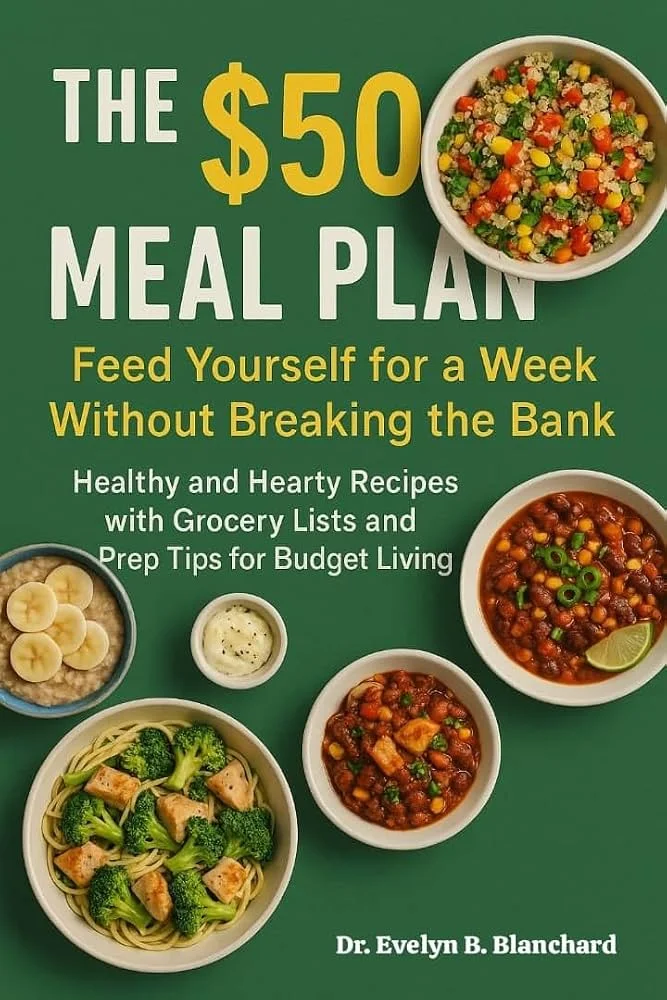
Start the day with simple, nutritious breakfasts that keep you full without breaking the bank. Options like oatmeal topped with seasonal fruit, scrambled eggs with sautéed vegetables, or yogurt mixed with homemade granola deliver energy and essential nutrients. These meals use affordable staples and can be varied throughout the week to prevent boredom.
Lunch and Dinner Recipes for Variety and Health
For lunch and dinner, aim for recipes incorporating proteins, grains, and vegetables in balanced proportions. A lentil stew paired with brown rice provides fiber and protein, while stir-fried frozen vegetables with tofu and noodles offers quick, nutritious variety. Rotating between soups, casseroles, and salads helps maintain interest and allows use of leftovers creatively, minimizing both cooking time and cost.
Snack Options That Fit the Budget and Nutritional Goals
Snacks often add unwanted expenses, but inexpensive options like fresh fruit, carrot sticks with hummus, or popcorn can satisfy hunger between meals. These choices are healthy, easy to prepare, and affordable. Planning snacks as part of your meal plan helps avoid impulse purchases of costly processed snacks.
Common Pitfalls and How to Avoid Them
Overbuying and Food Waste
One of the biggest obstacles to successful meal planning on a budget is purchasing more food than you can consume, leading to waste and lost money. To combat this, create precise shopping lists based on your meal plan and portion sizes. Avoid bulk buying perishable items unless you are certain they will be used before spoiling. Staying organized and tracking inventory in your kitchen helps maximize every dollar spent.
Neglecting Nutritional Balance in Favor of Low Cost
Focusing purely on cost can result in unbalanced meals that lack vital nutrients, potentially harming health over time. While it’s tempting to choose the cheapest options available, it’s important to maintain a mix of proteins, healthy fats, and fiber-rich carbohydrates. Planning meals that incorporate nutrient-dense foods — even if slightly more expensive — often improves overall well-being and reduces future medical expenses.
Tools and Resources to Support Your Meal Planning Journey
Budgeting Apps and Grocery List Creators
Technology can simplify budgeting and meal planning significantly. Apps that allow you to create digital grocery lists, track spending, and compare prices at multiple stores help maintain discipline and avoid overspending. Some tools also offer recipe suggestions based on your budget and ingredients, making meal planning quicker and more efficient.
Reliable Recipe Sources for Budget-Conscious Cooking
Accessing trusted recipe websites, blogs, or cookbooks dedicated to budget-friendly cooking provides constant inspiration and guidance. These resources often include tips on ingredient substitutions, batch cooking, and nutrient enhancement, ensuring your meals stay interesting, healthy, and affordable. Regularly consulting such sources keeps your meal plans fresh and aligned with your budget goals.