


Understanding Afternoon Slumps: Causes and Effects
Biological Rhythms and Energy Dips
Many people experience a noticeable drop in energy during the afternoon, often between 1 pm and 3 pm. This phenomenon is largely attributed to the body’s natural circadian rhythms, which regulate sleep and wakefulness cycles. After a morning peak in alertness, the body tends to experience a dip in core temperature and hormone levels, signaling a reduction in energy. This biological process is a normal and predictable part of human physiology, but it can feel frustrating when you need to stay focused and productive.
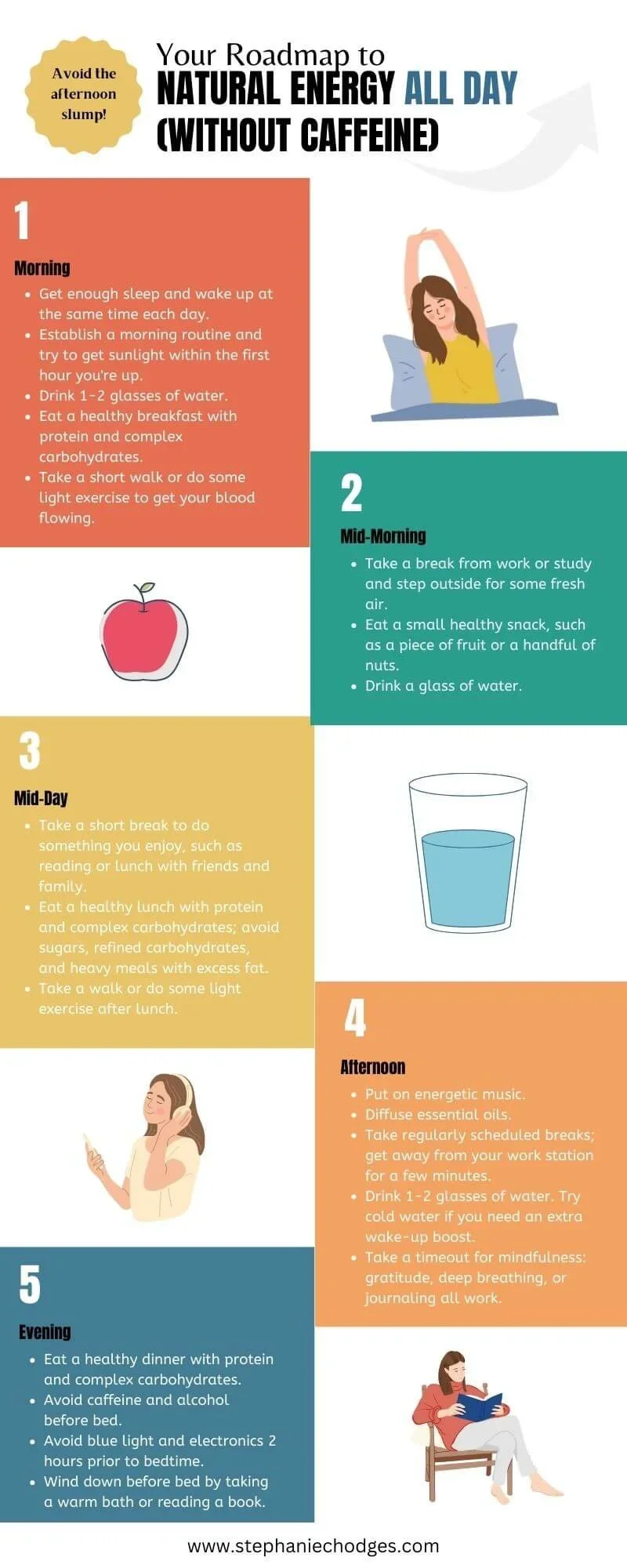
Common Triggers Leading to Afternoon Fatigue
Besides natural rhythms, certain behaviors intensify afternoon fatigue. Heavy lunch meals rich in carbohydrates can lead to a spike and subsequent crash in blood sugar levels, worsening sluggishness. Dehydration is another significant factor—many people do not drink enough fluids throughout the day. Additionally, prolonged sitting without breaks reduces blood circulation and leads to stiffness, which further diminishes alertness.
Impact on Productivity and Mood
The consequences of enduring an afternoon slump go beyond just feeling tired. Lower energy levels impair concentration, decision-making, and creativity, all critical for maintaining productivity. Mood swings and irritability may also arise, affecting interactions with colleagues or family members. Understanding this impact emphasizes the need to adopt effective strategies to overcome these slumps without relying on caffeine, which can sometimes disrupt subsequent sleep or cause dependency.
Natural Energy Boosters to Combat Afternoon Slumps
Hydration and Its Role in Alertness
One of the simplest and most effective ways to mitigate afternoon fatigue is ensuring adequate hydration. Dehydration reduces blood volume, making the heart work harder to circulate oxygen and nutrients, which results in decreased energy levels and cognitive function. Drinking water consistently throughout the day, rather than waiting until thirst hits, helps maintain optimal brain function. Adding natural flavorings like lemon or cucumber can encourage regular intake without added sugars.
Nutritious Snack Ideas to Sustain Energy
Eating the right snacks can provide a steady release of energy, avoiding the crashes associated with sugary treats. Snacks combining protein, healthy fats, and complex carbohydrates, such as nuts with fruit or yogurt with seeds, stabilize blood sugar and keep energy levels balanced. Avoiding processed snacks high in refined sugars is critical since they tend to cause rapid spikes in energy followed by abrupt drops, exacerbating afternoon slumps.
Physical Movement and Stretching Techniques
Sitting for extended periods restricts circulation and contributes to feelings of fatigue. Incorporating short bursts of physical activity can revitalize your body and mind. Simple stretching exercises or a five-minute walk around the office or outdoors increase blood flow and stimulate endorphin production, improving alertness and mood. Even desk exercises like shoulder rolls or standing calf raises can combat lethargy efficiently.
Environmental Adjustments that Enhance Afternoon Alertness
Optimizing Workspace Lighting and Layout
Poor lighting conditions are often overlooked contributors to energy dips. Dim or overly harsh lighting strains the eyes, increasing feelings of tiredness. Natural light, when available, is best for maintaining alertness. Positioning your desk near a window or using full-spectrum artificial lights can create a more stimulating environment. Additionally, decluttering your workspace and arranging it ergonomically reduces mental fatigue and supports better posture.
The Power of Fresh Air and Outdoor Breaks
Stale indoor air can magnify feelings of sluggishness. Taking brief breaks to step outside allows you to breathe fresh air, which replenishes oxygen levels and refreshes the brain. Exposure to natural environments has been proven to reduce stress and improve concentration. Even short outdoor breaks of 5 to 10 minutes can help reset your mental state and energy levels more effectively than extended screen time.
Soundscapes and Their Effect on Concentration
The auditory environment impacts focus and energy. Background noise that is too loud or distracting can exacerbate fatigue and reduce productivity. Conversely, ambient sounds such as gentle instrumental music or nature sounds promote relaxation and maintain cognitive function. Experimenting with different soundscapes helps identify what stimulates your alertness without causing overstimulation.
Mindfulness and Mental Techniques to Stay Refreshed
Short Meditation and Breathing Exercises
When energy wanes, a few minutes of mindful breathing or meditation can re-center attention and reduce mental fatigue. These practices regulate the nervous system, lower stress hormones, and increase oxygenation to the brain. Simple techniques like deep diaphragmatic breathing or guided mindfulness sessions lasting three to five minutes are easy to implement even during busy workdays and provide quick rejuvenation.
Power Napping: Guidelines and Benefits
Napping briefly in the afternoon can be a powerful tool to restore energy. However, naps longer than 20 minutes risk entering deeper stages of sleep, resulting in grogginess upon waking. A “power nap” of 10 to 20 minutes improves alertness and cognitive function without interfering with nighttime sleep. Creating a quiet, comfortable environment for short naps maximizes their benefits.
Engaging in Creative Tasks to Reignite Focus

Monotonous work can compound the feeling of tiredness, making the slump seem worse. Shifting to creative tasks such as brainstorming or problem-solving engages different brain areas and stimulates mental energy. Taking breaks to doodle, write, or explore new ideas can recharge motivation and break the cycle of fatigue.
Long-Term Strategies for Sustained Energy Throughout the Day
Balanced Diet and Regular Meal Scheduling
Consistent energy depends largely on what and when you eat. Irregular meal times or diets high in processed foods contribute to fluctuating blood sugar and energy lows. Prioritizing balanced meals rich in whole grains, lean proteins, healthy fats, and plenty of vegetables supports stable energy. Regular meal scheduling helps maintain metabolic balance and prevents excessive hunger that leads to overeating or indulgence in unhealthy snacks.
Consistent Sleep Patterns for Better Rest
Afternoon slumps can worsen significantly when overall sleep quality suffers. Late nights or irregular sleep schedules disrupt circadian rhythms, leading to greater daytime tiredness. Establishing a consistent sleep routine, including set bedtimes and wake-up times, promotes restorative sleep cycles. This foundation reduces the intensity of energy dips during the day and lessens the need for stimulants.
Incorporating Regular Exercise Into Daily Routine
Regular physical activity boosts baseline energy levels by improving cardiovascular health, circulation, and hormonal balance. Engaging in at least 30 minutes of moderate exercise most days of the week reduces fatigue and enhances overall stamina. Incorporating both aerobic and strength training exercises tailors fitness without causing overexertion, which could have the opposite effect on energy.