


Introduction to Morning Stretching for Busy Beginners
Starting a morning stretching routine can feel daunting, especially when your days are packed with obligations. However, incorporating just a few simple stretches into your morning can set a positive tone for the entire day. This guide is designed to help busy beginners discover how to add effective stretching to their mornings without feeling overwhelmed. By breaking down the process step-by-step, you’ll be able to create a manageable routine that fits your unique schedule and lifestyle.
Why Morning Stretching Matters
Health Benefits of Stretching
Stretching in the morning gently awakens your muscles and joints, helping to improve circulation and flexibility. This process not only reduces muscle stiffness but also helps prepare your body for daily activities, potentially lowering the risk of injury. Starting your day with movement encourages better posture and can ease tension from sleep, making your body feel more energized and ready to tackle tasks.
How Stretching Boosts Productivity
Beyond physical benefits, morning stretching can have a positive impact on mental clarity and focus. When you stretch, your body releases tension, which helps reduce stress levels and promote a calm state of mind. This relaxed but alert state can enhance your concentration and creativity, making you more productive in both personal and professional tasks. Establishing stretching as a morning habit also creates a structured start to your day, which can improve time management and motivation.
Assessing Your Schedule: Finding Time for Stretching
Identifying Time Slots in a Busy Morning
The first step to creating a stretching routine is to evaluate your morning schedule. Even if you believe your mornings are too busy, small pockets of time often go unnoticed. Look for moments such as immediately after waking up, during breaks in your morning prep, or right before leaving the house. Identifying these windows helps you visualize where stretching fits naturally into your routine without causing added stress.
Setting Realistic Time Goals
Once you pinpoint potential time slots, set achievable targets. For beginners, committing to just 5 to 10 minutes of stretching can make a meaningful difference, without feeling like a chore. It’s important to avoid overwhelming yourself by trying to stretch for long periods initially. Gradually increasing the time as you become more comfortable ensures that the habit is sustainable and enjoyable.
Essential Equipment and Space Setup
Choosing a Comfortable Stretching Area
Selecting an appropriate space for your stretching is crucial. A quiet and well-ventilated spot with enough room to move freely can enhance your stretching experience. This might be a corner of your bedroom, a living room area, or even a balcony. Ensuring the area is free from clutter helps you stay focused and reduces the chance of accidents during movement.
Recommended Tools and Accessories
While stretching requires minimal equipment, some accessories can enhance comfort and effectiveness. A yoga mat provides cushioning and grip, especially on hard floors. Comfortable clothing that allows for unrestricted movement also makes a difference. Additionally, items like foam rollers or resistance bands can be introduced later to deepen stretches, but beginners can start effectively without them.
Step-by-Step Morning Stretching Routine
Warm-Up Stretches
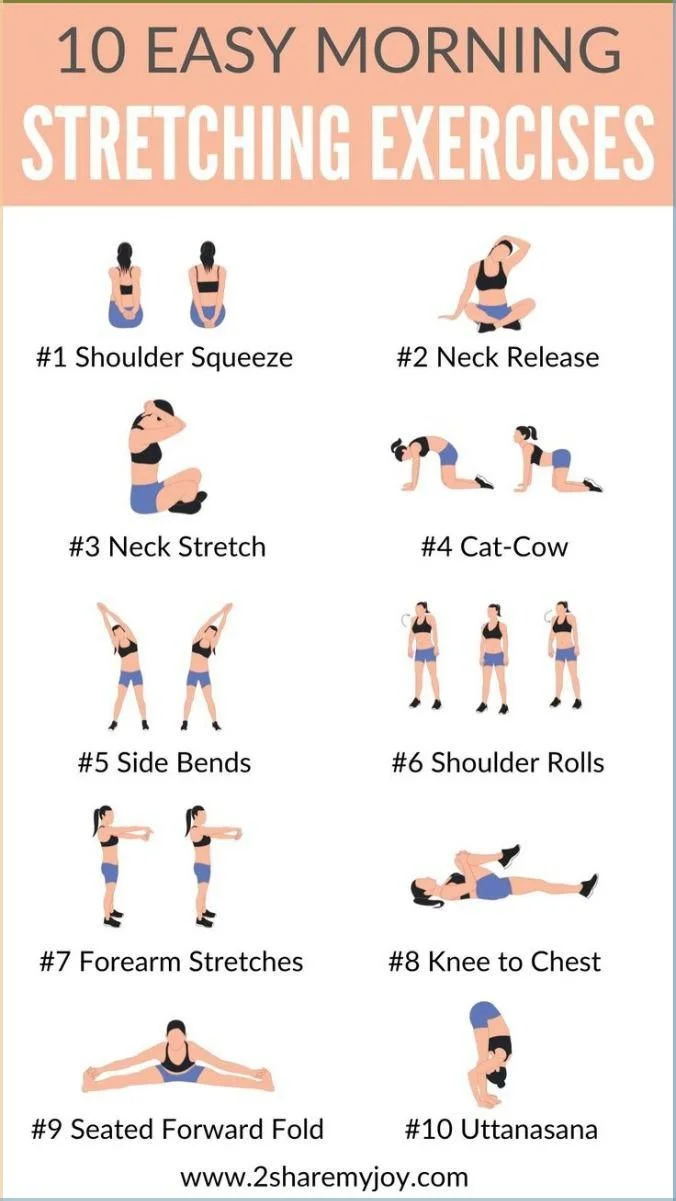
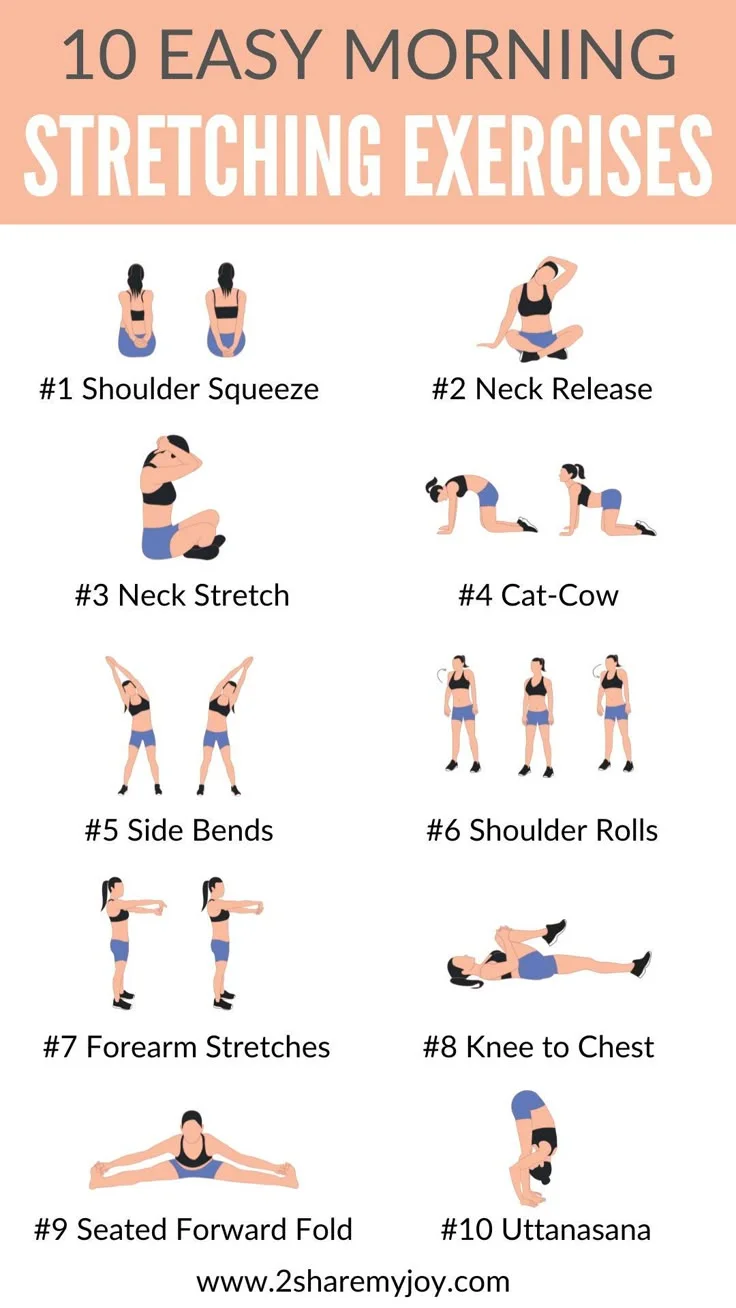
Begin your routine with gentle warm-up movements to gradually increase blood flow. Simple actions like neck rolls, shoulder shrugs, and gentle torso twists prepare your body by loosening tight areas without causing strain. Performing these warm-up stretches for about two to three minutes helps your muscles feel more receptive to deeper stretches.
Upper Body Stretches
Next, focus on the upper body by targeting the neck, shoulders, arms, and upper back. Stretching the neck by tilting your head side to side and slowly rotating it can relieve stiffness from sleep. Shoulder rolls and cross-body arm stretches help loosen shoulders and arms, reducing tension. Gentle chest openers where you clasp your hands behind your back enhance posture and promote better breathing throughout the day.
Lower Body Stretches
Lower body stretches contribute greatly to overall mobility. Start with seated hamstring stretches, reaching toward your toes while keeping your back straight to avoid strain. Following this, perform calf stretches by pressing against a wall or floor to engage the lower legs. Hip openers such as gentle lunges or butterfly stretches assist in releasing tension in the hips and promote flexibility.
Full Body Cool-Down
Complete your routine with a full body stretch to integrate the movements and encourage relaxation. A common and effective option is the standing forward fold, which stretches the back and legs while calming the nervous system. Following this, reach your arms overhead and gently arch your back to create an energizing finish. This cool-down helps your body transition smoothly into the day ahead.
Tips for Staying Consistent with Your Routine
Tracking Progress and Setting Milestones
Consistency is key to reaping the benefits of morning stretching. Tracking your progress can motivate you to keep going. Using a journal or an app to note your stretching times and how you feel afterward helps build awareness and commitment. Setting small milestones, such as stretching every morning for a week or increasing duration gradually, provides a sense of achievement that encourages persistence.
Incorporating Stretching into Your Morning Habits
Linking stretching to an existing morning habit makes it easier to maintain. For example, you could stretch immediately after brushing your teeth or before your morning coffee. This integration turns stretching into a natural part of your routine rather than an added task. Over time, these linked habits strengthen the likelihood that morning stretching becomes an automatic behavior.
Overcoming Common Challenges
Many beginners face obstacles like lack of motivation, time constraints, or uncertainty about how to stretch properly. Recognizing these challenges early helps address them effectively. When motivation dips, remind yourself of the immediate sense of relaxation and freshness stretching provides. If mornings are hectic, keep stretches brief but consistent, even if it’s only a few minutes. Lastly, using guided videos or simple instructions can ensure proper technique, reducing the risk of discomfort or injury.
Conclusion: Embracing a Healthier Morning Lifestyle
Starting a morning stretching routine as a busy beginner is not only achievable but highly rewarding. By understanding its importance, finding realistic time slots, setting up a comfortable space, and following an easy routine step-by-step, you can cultivate a habit that supports both your physical and mental well-being. Consistency and patience are vital, and with time, morning stretching can become a cornerstone of a healthier, more energized lifestyle.