


Understanding Foam Rolling and Its Benefits for Spinal Flexibility
What is Foam Rolling?
Foam rolling is a self-myofascial release technique that involves using a cylindrical foam roller to apply pressure to specific muscle groups. This practice helps to release muscle tightness, improve blood flow, and promote tissue recovery. When applied around the spine and surrounding muscles, foam rolling can increase mobility and flexibility, making it an essential tool for spinal health.
The Science Behind Foam Rolling and Spinal Health
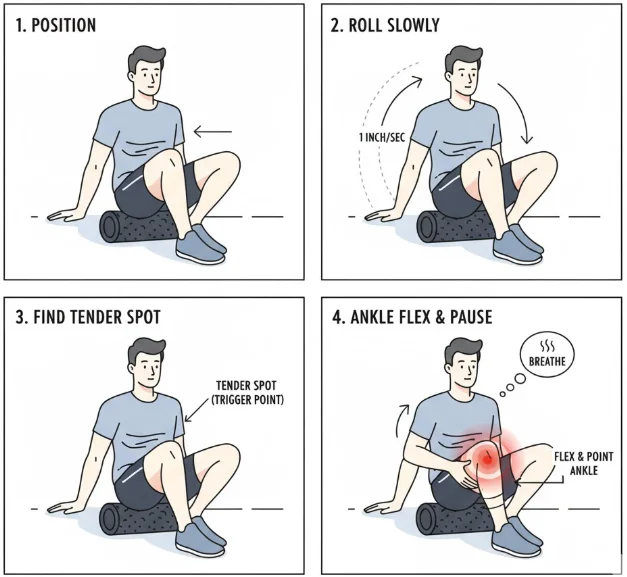
The muscles, fascia, and connective tissues surrounding the spine can develop adhesions or knots due to poor posture, repetitive movements, or injury. Foam rolling applies targeted pressure to these areas, helping to break up the knots and increase blood circulation. This process encourages the muscles to relax and lengthen, which improves the range of motion through the thoracic and lumbar spine. Additionally, the stimulation of sensory receptors during foam rolling can reduce pain and improve neuromuscular function.
Key Benefits of Foam Rolling for the Spine
Regular foam rolling offers multiple advantages for spinal flexibility. It helps to diminish muscle stiffness, which often limits spine movement. By enhancing circulation, it also accelerates recovery from back strain and reduces inflammation. Furthermore, increased flexibility from foam rolling can enhance posture and decrease the risk of spinal injuries. The cumulative effect is a more mobile, stronger, and healthier spine.
Essential Equipment and Preparation Before You Start
Choosing the Right Foam Roller for Your Needs
Selecting an appropriate foam roller is fundamental for an effective spinal foam rolling routine. Foam rollers come in different densities and sizes. Beginners typically benefit from a softer, medium-density roller to avoid discomfort, while more experienced individuals may prefer a firmer roller for deeper muscle release. The length of the roller also matters; longer rollers provide better stability, whereas shorter ones can target specific areas more precisely. Identifying your comfort level and goals will help you choose the most suitable roller.
Preparing Your Space and Body for Foam Rolling
Before you begin rolling, prepare a quiet and spacious area free of obstructions to ensure safety and ease of movement. A yoga mat or soft carpet can provide cushioning for your back during the exercises. It’s important to wear comfortable, flexible clothing that allows full movement. Additionally, perform a brief warm-up, such as light walking or dynamic stretching, to increase circulation and prepare the muscles for foam rolling.
Step-by-Step Foam Rolling Routine for Spinal Flexibility
1. Starting with the Upper Back (Thoracic Spine)
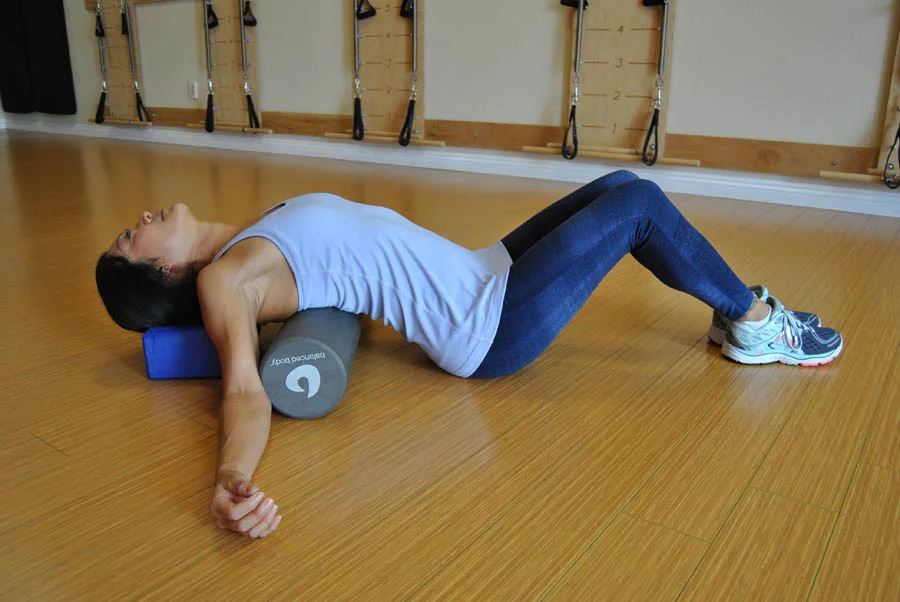
Begin by positioning your foam roller horizontally beneath your shoulder blades. Support your head and neck with your hands, and gently roll up and down from the mid-back to just below the neck. Move slowly, focusing on areas of tension. This helps loosen the thoracic spine, improves posture, and reduces stiffness that can limit spinal rotation. Aim for about 1-2 minutes in this area, maintaining controlled breathing to enhance relaxation.
2. Targeting the Lower Back (Lumbar Region) Safely
Due to the lower back’s vulnerability, foam rolling here requires caution. Position the roller under your lower back but avoid placing direct pressure on the spine itself. Instead, roll along the muscles adjacent to the lumbar vertebrae. A key tip is to keep your core engaged and avoid overextending your back. Rolling for short intervals, around 30 seconds to 1 minute, is advisable to prevent strain and promote gentle muscle release.
3. Incorporating the Neck and Shoulders
The cervical spine and shoulders play a significant role in overall spinal flexibility. Foam rolling the trapezius and upper shoulder muscles can relieve tension that affects neck mobility. Use a softer roller or ball for this delicate area. Lie on your back with the roller under your shoulder blades and gently tilt your head side to side, allowing the muscles to relax. Avoid direct pressure on the neck vertebrae and listen to your body’s signals to avoid discomfort.
4. Complementary Stretches Post Foam Rolling
After foam rolling, integrating gentle stretches can further enhance flexibility and prevent muscle tightness. Simple stretches such as cat-cow poses, child’s pose, and seated spinal twists help lengthen the muscles around the spine. These stretches work synergistically with foam rolling by sustaining the improved range of motion and deepening spinal mobility. Aim to hold each stretch for 20-30 seconds while breathing deeply for optimal effect.
Common Mistakes to Avoid While Foam Rolling Your Spine
Incorrect Positions That Could Cause Injury
One common mistake is applying direct pressure on the spine itself rather than the surrounding muscles. This can cause discomfort or even exacerbate back problems. Another error is rolling too quickly or with excessive force, which limits the benefits and may lead to bruising or muscle strain. Improper body alignment, such as arching the back excessively or letting the head sag, can also contribute to injury. Maintaining proper form and controlled movements is essential for safe foam rolling.
How to Recognize and Prevent Overdoing It
It’s important to avoid overusing foam rolling, as excessive pressure or prolonged sessions can irritate muscles and connective tissues. Signs of overdoing it include increased soreness, sharp pain, or numbness during or after rolling. To prevent this, limit foam rolling sessions to about 10-15 minutes total, focusing on problem areas without lingering too long. Allow adequate recovery time between sessions and incorporate other flexibility and strengthening exercises to create a balanced routine.
Enhancing Results: How Foam Rolling Fits Into a Spinal Flexibility Program
Integrating Foam Rolling with Yoga and Pilates
Foam rolling complements practices like yoga and Pilates by preparing muscles for deeper stretches and movements. Including foam rolling before your session can warm up the fascia and improve muscle elasticity, which enhances your ability to perform spinal flexion and extension exercises. After these practices, foam rolling helps in muscle recovery and promotes relaxation, maintaining the gains in flexibility achieved during your workout.
Nutritional and Lifestyle Tips to Support Spinal Health
Maximizing spinal flexibility isn’t only about exercise; nutrition and lifestyle play crucial roles as well. Staying hydrated supports soft tissue health, while a diet rich in anti-inflammatory foods can reduce stiffness in muscles and joints. Maintaining a healthy weight lessens strain on the spine. Additionally, practicing good posture throughout the day and taking breaks from sitting can prevent muscle tightness, ensuring that your foam rolling efforts yield lasting improvements.