


Introduction to Morning Stretching for Desk Workers
Why Morning Stretching Matters
Starting the day with a stretching routine offers significant benefits, especially for those who spend long hours at a desk. Stretching helps prepare the body for the day ahead by increasing circulation, improving flexibility, and reducing muscle stiffness. For desk workers, it counteracts the effects of prolonged sitting, promoting better posture and overall comfort.
Common Issues Faced by Desk Workers
Desk workers often experience tight hips, stiff necks, and lower back discomfort due to extended periods of sitting. These issues can lead to reduced mobility and even contribute to chronic pain if left unaddressed. Morning stretches can help alleviate these common problems, setting a healthier tone for the day.
Benefits of a 15-Minute Stretching Routine
Physical Health Advantages
A brief morning routine focused on stretching activates muscles that tend to become tight from inactivity. It increases blood flow to key areas, loosens joints, and enhances range of motion. This preparation reduces the risk of injury and muscle fatigue throughout the workday.
Mental and Emotional Wellbeing
Beyond physical benefits, stretching in the morning also promotes mental clarity and stress relief. The mindful aspect of controlled breathing combined with movement encourages relaxation, reducing anxiety and improving concentration during work.
Preparing for Your Morning Stretching Routine
Choosing the Right Space
Select a quiet, comfortable area in your home where you have enough room to move freely. A space with natural light can enhance mood and make the session more enjoyable. Make sure the floor is suitable for stretching, using a yoga mat if necessary.
Essential Tools and Attire
Wear comfortable, flexible clothing that allows for unrestricted movement. Avoid anything too tight or restrictive. While not mandatory, basic equipment like a stretching strap or foam roller can enhance certain stretches, but the routine can be effectively done with just your body weight.
Step-by-Step 15-Minute Stretching Routine
Warm-Up Stretches (5 minutes)
Start with gentle movements to awaken your muscles. Neck rolls, shoulder shrugs, and gentle spine twists loosen tension. Incorporate arm circles and ankle rolls to increase circulation. This stage prepares your body to safely engage in deeper stretches.
Targeted Desk Worker Stretches (7 minutes)
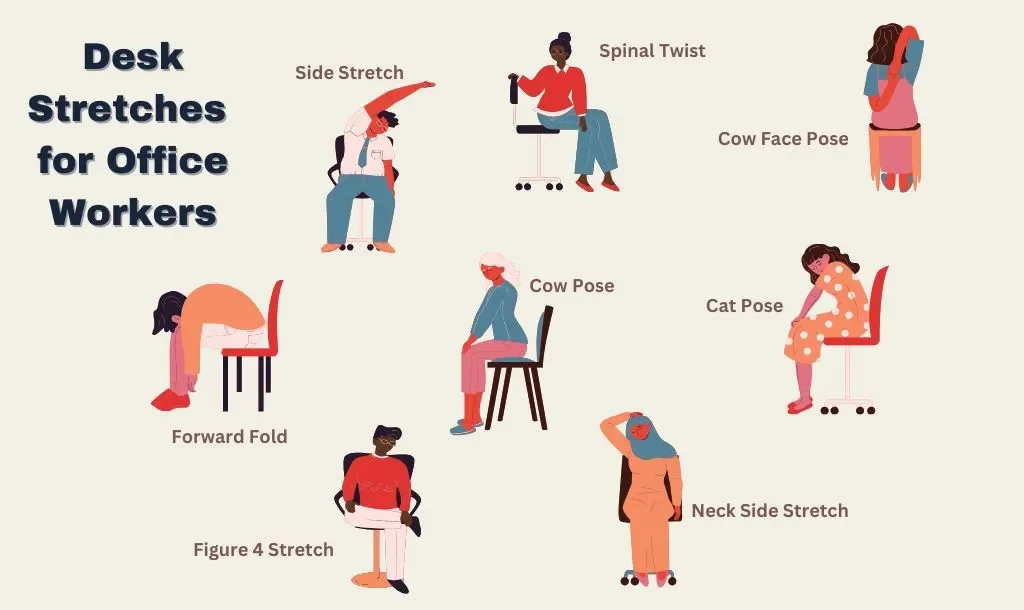
Focus on areas affected by sitting. Hip flexor stretches help open tight hips, while chest openers counteract slouched posture. Incorporate seated spinal twists and neck stretches to relieve stiffness. Each stretch should be held for about 20-30 seconds with controlled breathing.
Cool Down and Breathing Exercises (3 minutes)
End with slow, deep breaths while sitting or lying down. This helps lower heart rate and consolidate relaxation. Gentle forward bends or child’s pose can ease the muscles further, signaling the body it’s time to transition into daily activities.
Tips to Stay Consistent with Your Routine
Creating a Morning Habit
Consistency is key. Set a specific time each morning dedicated to your stretching routine. Linking it to an existing habit, like right after waking or before breakfast, makes it easier to remember. Keeping the routine brief encourages regular practice without feeling overwhelming.
Tracking Your Progress
Monitoring improvements in flexibility or reduced discomfort can be motivating. Consider journaling how you feel before and after stretching or noting any increases in range of motion. Visual reminders or calendar checkmarks can reinforce daily commitment.
Modifications for Different Fitness Levels
Beginner-Friendly Alternatives
For those new to stretching, shorter holds and less intense movements are advisable. Gentle seated stretches can be a good starting point. Adapt posture to avoid discomfort and gradually increase duration and intensity as flexibility improves.
Advanced Stretching Techniques
More experienced individuals can deepen stretches by incorporating dynamic movements or longer holds. Adding balance challenges or resistance bands can increase effectiveness. However, it’s important to listen to the body and avoid pushing too far too fast.
Conclusion: Making Stretching a Lifestyle Change
Integrating a 15-minute morning stretching routine into daily life creates meaningful benefits for desk workers. It improves physical comfort and mental well-being, making workdays more productive and less stressful. With simple preparation and consistency, this practice can evolve into a lasting habit that supports long-term health.