


Introduction: The Power of Dance in Family Well-being
Why Dance?
Many families struggle to find activities that are both enjoyable and promote health. Dance offers a unique solution, blending physical exercise with creativity and fun. It breaks the monotony of routine workouts and encourages movement in a lively, spirited way. However, some may hesitate to start because they feel self-conscious or unsure about organizing a dance session that suits everyone’s needs.
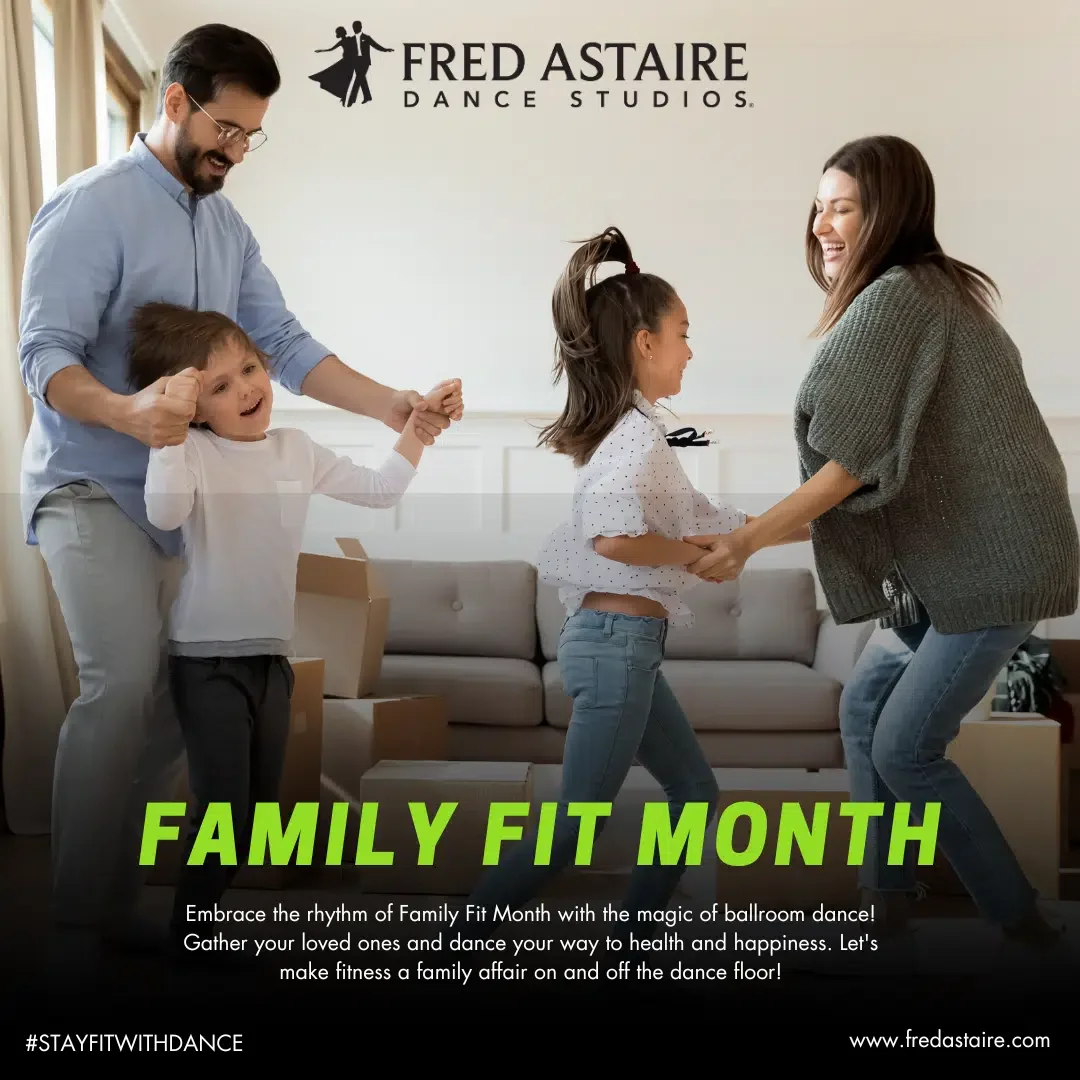
The cause of this hesitation often comes from a lack of structure and fear of not meeting everyone’s fitness levels or preferences. Without guidance, family members may lose interest quickly, missing out on the opportunity for meaningful exercise and connection.
The Benefits of Family Bonding Through Movement
When families dance together, they open channels of communication and emotional connection that are hard to achieve otherwise. This shared activity fosters trust, joy, and collaboration, which are foundational for stronger relationships. Physically, dancing improves cardiovascular health, coordination, and mental well-being. Ignoring the importance of bonding through such activities can lead to missed chances for healthier lifestyles and closer family ties.
Recognizing these benefits makes it clear why establishing a weekly family dance routine is a worthwhile goal. It not only supports physical health but also enhances emotional resilience within the family unit.
Step 1: Setting the Stage for Success
Choosing the Ideal Time and Space
One common obstacle is finding a time and place that everyone can agree on. Without a designated schedule and suitable environment, dance sessions tend to be sporadic or stressful. The root cause often lies in conflicting routines and lack of a comfortable space where everyone feels free to move.
Address this by selecting a consistent weekly slot, such as early evening after work and school, when energy levels are still good. Choose a spacious living room or backyard free from hazards and distractions. This intentional planning sets the foundation for a successful, enjoyable routine.
Gathering Essential Equipment and Music
Not having the right atmosphere or tools can quickly dampen enthusiasm. Families may struggle if they don’t have motivating music or a clear space for movement. The lack of preparation causes frustration and reduces participation.

Simple solutions include creating a playlist with a mix of everyone’s favorite songs, investing in a portable speaker for better sound, and ensuring the floor is safe for dancing. These practical steps create an inviting ambiance that encourages everyone to join in without hesitation.
Step 2: Designing Your Family Dance Routine
Incorporating Warm-ups and Cool-downs
Skipping warm-ups and cool-downs is a common mistake that can lead to injuries or discomfort. Without proper preparation, muscles are more prone to strains, and recovery is slower. Many families overlook this because they want to dive straight into dancing.
A brief session of gentle stretching and light cardio before dancing prepares the body, while cool-down exercises afterward help prevent soreness. Embedding these in the routine ensures a safer and more enjoyable experience for all family members.
Selecting Dance Styles Everyone Enjoys
Another challenge is choosing dance styles that engage all ages and preferences. If the chosen dances are too complex or not appealing, participants may lose interest quickly. The cause here is often a lack of variety or consideration for different skill levels.
Incorporate a mix of upbeat and slower styles, such as simple hip-hop moves, classic line dances, or even salsa basics. This diversity keeps the routine exciting and ensures that everyone finds something they love, boosting motivation and inclusiveness.
Balancing Fun with Physical Intensity
Many worry about balancing enjoyment with the physical exertion needed for health benefits. Overexertion can lead to fatigue, while too little effort defeats the purpose of exercise. Without a mindful balance, participants may feel either overwhelmed or unfulfilled.
Design the routine with varied intensity — include energetic segments to raise heart rates and slower parts for rest. This keeps everyone engaged without overtaxing, making the weekly dance both effective and fun.
Step 3: Encouraging Full Participation
Engaging Kids of Different Ages
One major hurdle is keeping children of varied ages interested. Younger kids may have shorter attention spans, while older ones might feel self-conscious. These differences can lead to uneven participation and frustration.
Address this by tailoring parts of the routine to different age groups, offering simplified moves for younger children and more challenging steps for older ones. Incorporate playful elements like dance games or themed sessions to spark enthusiasm among the kids.
Motivating Adults to Join In
Adults often hesitate to participate due to tiredness, lack of confidence, or perceived time constraints. This reluctance can dampen the collective spirit of the routine. The root of the problem lies in undervaluing the importance of movement and bonding through dance.
Highlight the health and emotional benefits specifically for adults, and create a supportive atmosphere that welcomes imperfection. Sharing progress stories or celebrating small wins can motivate grown-ups to stay committed and join wholeheartedly.
Step 4: Making It a Weekly Tradition
Creating a Consistent Schedule
Many families find it hard to maintain consistency, causing the routine to fizzle out. The cause is often unintentional — competing priorities and lack of accountability make it easy to skip sessions.
Establish a fixed day and time that everyone agrees on and mark it clearly on shared calendars. Treat the dance routine like any important appointment, making attendance non-negotiable. This repetition builds habit and keeps enthusiasm alive.
Celebrating Milestones and Progress
Without recognition, motivation can decline, especially if immediate results aren’t visible. Neglecting to celebrate progress may cause family members to lose interest or feel their efforts aren’t valued.
Set achievable goals and celebrate when milestones are met, whether it’s mastering a new move or simply sticking to the schedule for a month. Positive reinforcement strengthens commitment and makes the experience more rewarding for everyone.
Tracking Progress and Measuring Benefits
Physical Health Improvements to Watch For
It’s easy to overlook subtle gains like improved stamina, better coordination, and increased energy, which might make families question the value of their routine. This doubt often comes from a lack of visible or quantifiable progress.
Pay attention to small signs such as increased endurance during dances, reduced fatigue, or better flexibility. Keeping a simple journal or checklist can help monitor these improvements, providing tangible evidence that encourages ongoing participation.
Signs of Strengthened Family Bonds
The intangible benefits of emotional connection are even harder to track, leading some to underestimate the routine’s impact on family relationships. Without awareness, families might miss how dance sessions foster trust and communication.
Notice increased willingness to spend time together, improved moods, or more open conversations following dance sessions. These signs reflect the growing emotional closeness that strengthens family ties beyond physical health.
Advanced Tips for Long-Term Success
Adding New Moves and Challenges
Routines can become stale if they remain static, causing boredom and decreased participation. The underlying issue is a lack of novelty and challenge that keeps the experience fresh.
Periodically introduce new dance steps, styles, or themed challenges to keep everyone engaged. Encouraging family members to suggest ideas also empowers them and brings variety that sustains excitement over time.
Inviting Friends or Extended Family
Sometimes the routine can feel isolating or repetitive when it involves only the immediate family. This can lead to diminished enthusiasm and missed social opportunities.
Occasionally invite friends or extended family members to join. This expands the social dimension, adds energy to the sessions, and creates shared memories that reinforce the routine’s appeal.
Conclusion: Embracing Dance as a Family Lifestyle
Creating a weekly family dance routine addresses common challenges families face when trying to stay active and connected. By carefully planning the time, space, music, and moves, and by encouraging full participation, families can overcome barriers that often derail health and bonding efforts.
Consistency and celebration solidify the habit, while tracking progress highlights both physical and emotional gains. Infusing creativity and social elements ensures the routine remains enjoyable and sustainable.
Ultimately, embracing dance as a regular family activity transforms it from a simple exercise into a shared lifestyle that promotes lasting health and deeper relationships. Making movement a joyful, collective experience enriches every member’s life in countless ways.