


Why Home Workers Need Stretching Routines
Impact of Sedentary Jobs on Circulation
Working from home often means spending long hours seated in front of a computer. This sedentary lifestyle can have a significant impact on blood circulation, particularly in the lower body. When muscles remain inactive for extended periods, blood flow slows down, potentially leading to feelings of stiffness, swelling, or even fatigue. Over time, poor circulation can contribute to discomfort and reduce overall physical wellness, making it crucial for home workers to incorporate movement breaks into their daily routine.
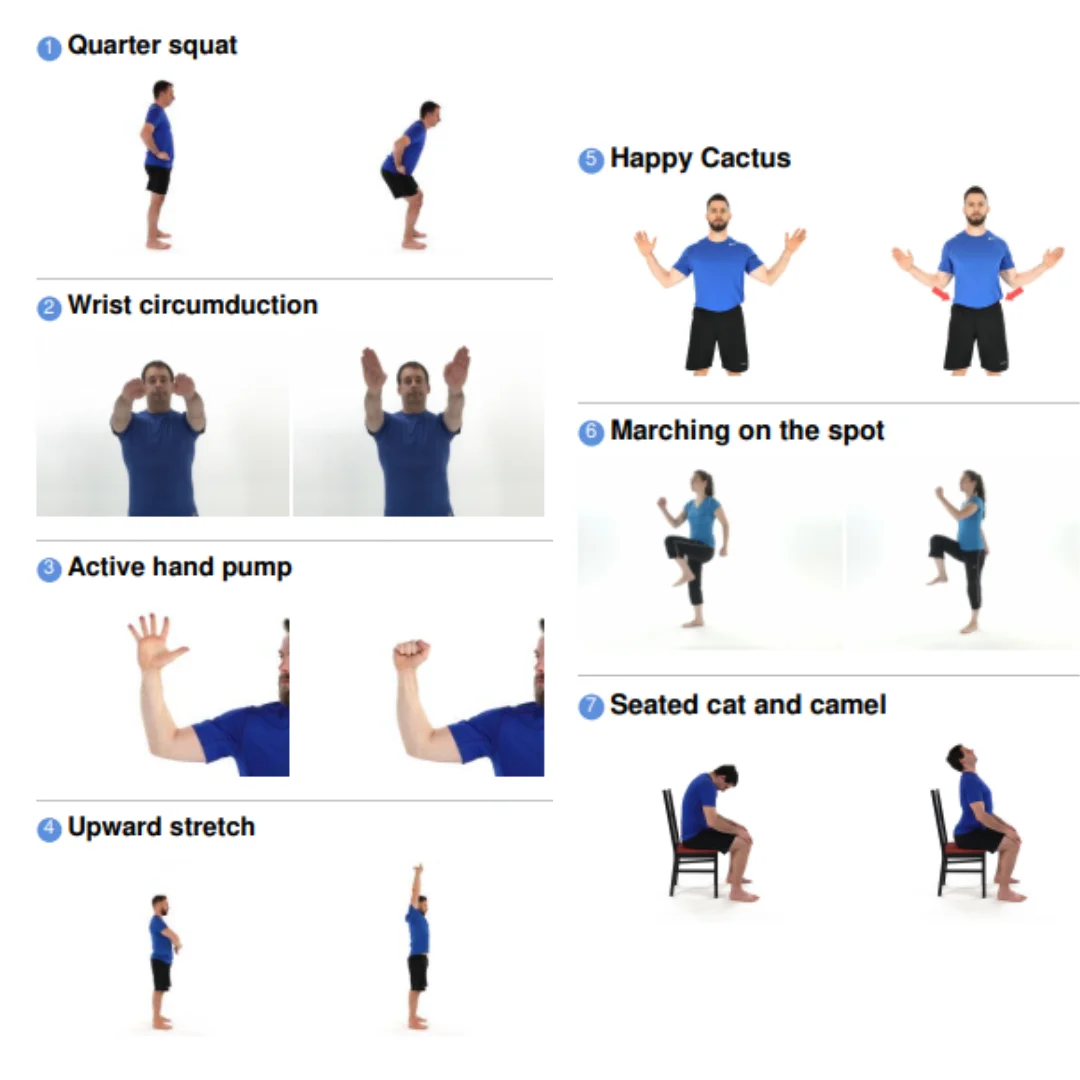
Benefits of Regular Stretching for Energy Levels
Stretching serves as a powerful way to counteract the effects of prolonged sitting. By incorporating regular stretches, you help stimulate the muscles and encourage better blood flow throughout the body. This can result in increased oxygen delivery to tissues, which enhances alertness and boosts energy levels. Additionally, stretching aids in releasing muscle tension, which can alleviate stress and promote a clearer mental state—making it easier to stay focused and productive during the workday.
Quick Morning Stretches to Kickstart Your Day
Neck and Shoulder Openers
Starting your day with gentle neck and shoulder stretches prepares your body for the hours ahead. Simple movements like slowly tilting your head from side to side and rolling your shoulders backward can help release overnight stiffness. These stretches not only improve circulation in the upper body but also reduce any lingering tension that may affect posture once you begin working.
Spine Mobility Movements

Engaging your spine with mobility exercises early in the morning helps awaken your entire back and core muscles. Movements such as gentle seated twists or cat-cow stretches on all fours encourage spinal flexibility and promote healthy joint function. Incorporating these stretches sets a dynamic rhythm for the day and prevents the stiffness commonly experienced after prolonged inactivity.
Midday Stretch Breaks to Combat Fatigue
Seated Stretches at Your Desk
Taking short stretch breaks during your workday can significantly reduce fatigue. When remaining seated, practical stretches such as reaching your arms overhead, clasping your hands behind your back, or gently twisting your torso can relieve tension without requiring you to leave your workspace. These movements help activate muscles and boost circulation, helping you stay energized through the afternoon slump.
Standing Leg and Hip Flexor Exercises
Incorporating standing stretches during breaks is just as important as seated options. Hip flexors and legs are particularly vulnerable to tightness from sitting. Simple exercises like lunges or standing quad stretches open these areas and improve blood flow. Taking even a few minutes to move through these stretches revitalizes your lower body and releases built-up tension, contributing to more comfortable and alert working hours.
Effective Evening Stretches to Relax and Recharge
Lower Back Relief Techniques
By the end of the day, the lower back often carries much of the strain from sitting and working. Targeted stretches, such as lying on your back and drawing knees toward your chest or performing gentle spinal twists, can alleviate discomfort and promote relaxation. These movements help decompress the spine and prepare the body for restful sleep, enhancing overall recovery.
Calming Breathing-Integrated Stretches
Combining slow deep breathing with stretching routines in the evening can amplify the relaxation effect. Incorporate stretches like the child’s pose or seated forward fold while focusing on steady, calming breaths. This mindful approach not only promotes physical ease but also supports mental unwinding, aiding in stress reduction and a peaceful end to the day.
Tips for Creating a Personalized Stretching Schedule
Assessing Your Workday Patterns
Designing a stretching routine that fits your unique schedule is essential for consistency. Begin by observing your daily work habits, noting when you feel the most stiffness or fatigue. Identify natural break points where you can incorporate stretching without disrupting workflow. Understanding these patterns allows you to tailor stretches to your needs, making it more likely you will maintain the habit long-term.
Setting Reminders and Sticking to Routine
Once you have a plan, use reminders or alarms to prompt stretching breaks throughout the day. Consistency is key to reaping the benefits of improved circulation and energy. Establishing specific times for stretches helps train your body and mind to recognize these pauses as an integral part of your workday, rather than optional extras.
Additional Tools and Resources to Enhance Stretching
Using Props Like Bands and Foam Rollers
Incorporating tools such as resistance bands or foam rollers can enhance your stretching experience by providing additional support and muscle release. Bands assist in deepening stretches safely, while foam rollers help target tight muscle areas through self-massage techniques. These props make it easier to achieve effective stretches at home without needing extensive equipment.
Recommended Apps and Online Classes
For those seeking guidance, various apps and online classes offer structured stretching routines tailored to busy schedules. These resources often include visual instructions and reminders, making it simple to follow along and stay motivated. Exploring these options can provide variety and help maintain a consistent stretching practice aligned with your home working lifestyle.