


Understanding the Connection Between Stress and Daily Life
Stress is an unavoidable part of modern life, weaving itself into our daily routines in subtle and sometimes overwhelming ways. Recognizing how stress interacts with everyday activities is crucial for managing its impact. Whether it stems from work pressures, personal relationships, or unexpected events, stress can influence mental clarity, emotions, and even physical wellness.
Identifying Common Stress Triggers
Stress triggers often come disguised as ordinary moments—a missed deadline, a difficult conversation, or simply feeling rushed. These triggers vary among individuals but commonly include workload demands, financial concerns, and social obligations. By pinpointing what consistently causes tension, it becomes easier to address these moments before they escalate.
The Science Behind Stress Responses
When our brain detects a challenge, it initiates a stress response designed to prepare the body for action. This “fight or flight” reaction involves releasing hormones such as adrenaline and cortisol, which sharpen focus and energy temporarily. While useful in short bursts, prolonged activation can lead to adverse effects like fatigue or irritability. Understanding this helps us appreciate why monitoring stress is vital for maintaining balance.
The Power of Journaling as a Stress Management Tool

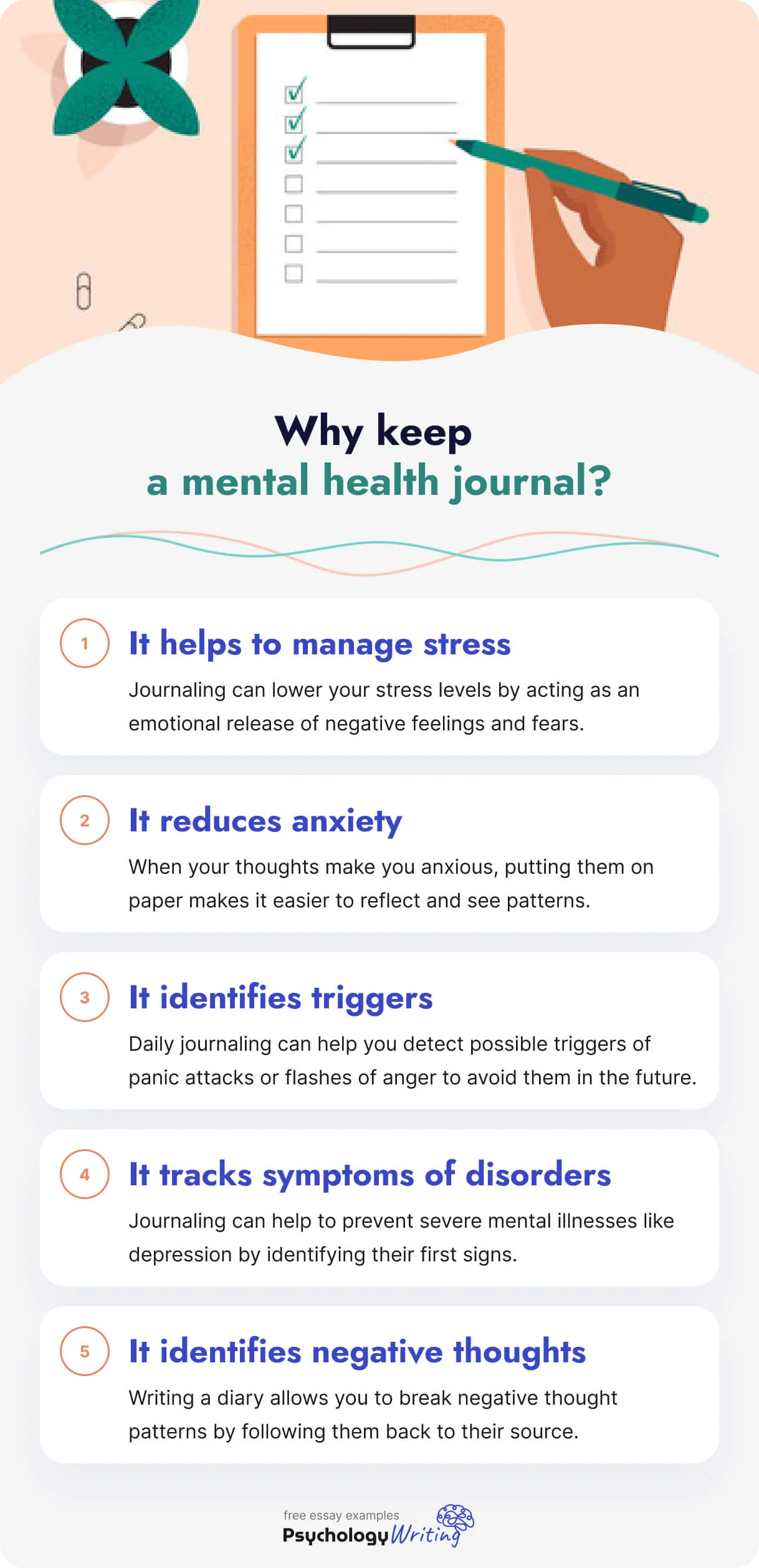
Journaling offers a simple yet powerful way to track and manage stress. By transferring thoughts and feelings onto paper, it creates space for reflection and insight. This process can illuminate hidden stressors and emotional patterns that might otherwise go unnoticed.
How Writing Influences Mental Health
Writing is a natural outlet for expressing emotions, allowing the brain to process experiences more clearly. Journaling can reduce mental clutter and promote a sense of control over one’s environment. Studies suggest that consistent writing helps lower stress levels by calming the nervous system and fostering emotional release.
Types of Journaling Methods for Stress Relief
There are various approaches to journaling, each offering unique benefits. Free writing encourages unfiltered expression, which can be liberating. Gratitude journaling shifts focus toward positive experiences, creating a more balanced perspective. Bullet journaling combines organization with quick emotional check-ins, making it practical for busy days. Choosing a method that resonates personally enhances the likelihood of sticking with the habit.
Step-by-Step Guide to Using Journaling for Stress Tracking
Getting started with journaling doesn’t require special skills or elaborate tools. It’s about creating a consistent, honest practice that fits naturally into daily life.
Setting Up Your Journaling Routine
Select a quiet moment in your day—often mornings or evenings work best—to sit down with your journal. The key is consistency, so even a few minutes daily can make a difference. Creating a comfortable environment free from distractions can help make this time feel like a personal retreat.
Key Elements to Include in Your Journal
When journaling to track stress, it helps to note the context of stressful moments: what happened, how you felt physically and emotionally, and any thoughts that arose. Writing down your reactions alongside the triggers provides deeper insight. Including reflections on coping attempts or resolutions adds another layer of understanding.
Analyzing and Recognizing Stress Patterns
After journaling for a while, reviewing your entries can reveal themes and recurring stress triggers. You might notice certain days, interactions, or environments are consistently linked to heightened stress. Spotting these patterns is empowering; it allows you to anticipate challenging situations and prepare more effectively.
Transforming Awareness into Action
Awareness alone is not enough—translating journal insights into actionable strategies is where real progress happens. Journaling provides the foundation for thoughtful adjustments to daily habits and mindset.
Developing Personalized Stress-Reduction Strategies
Each person’s stress management approach should be tailored to their unique patterns and preferences. Using journal observations, you can craft small, manageable changes like setting clearer boundaries, scheduling regular breaks, or practicing relaxation techniques during high-stress times. The journal remains a tool to monitor what works and what doesn’t.
Incorporating Mindfulness and Reflection
Journaling pairs well with mindfulness, encouraging present-moment awareness without judgment. Reflecting on journal entries with a compassionate mindset can deepen understanding and foster resilience. Over time, this combination helps build healthier emotional responses to stress triggers.
Tools and Apps to Enhance Your Journaling Practice
For those who prefer digital journaling, numerous apps offer customizable features designed to support stress tracking. These tools can provide prompts, reminders, and easy ways to organize thoughts. Some apps even include mood tracking and visualization options to highlight trends over time. The choice between analog and digital should align with your personal style to keep journaling enjoyable and sustainable.
Success Stories: Real-Life Examples of Stress Management Through Journaling
Many people have found journaling to be a transformative practice for managing daily stress. For instance, a busy professional might discover that documenting stressful meetings helped identify patterns related to workload peaks, leading to better time management. Another individual might use journaling to recognize the calming effect of gratitude exercises during anxious moments. These stories highlight how regular writing can turn seemingly small habits into meaningful shifts toward greater emotional well-being.
Journaling is more than just putting pen to paper—it’s a pathway to understanding your stress and gently guiding it toward balance. With patience and practice, it can become a trusted companion on your journey to a calmer, more mindful daily life.