


Introduction to Meal Prepping for Beginners
What is Meal Prepping?
Meal prepping is the practice of preparing your meals ahead of time, usually in bulk, to save effort and time during busy weekdays. It involves planning, cooking, and portioning meals so that you can simply grab and go when hunger strikes. Whether you’re preparing lunches for work, dinners for the family, or healthy snacks, meal prepping provides a structured way to stay organized in the kitchen.
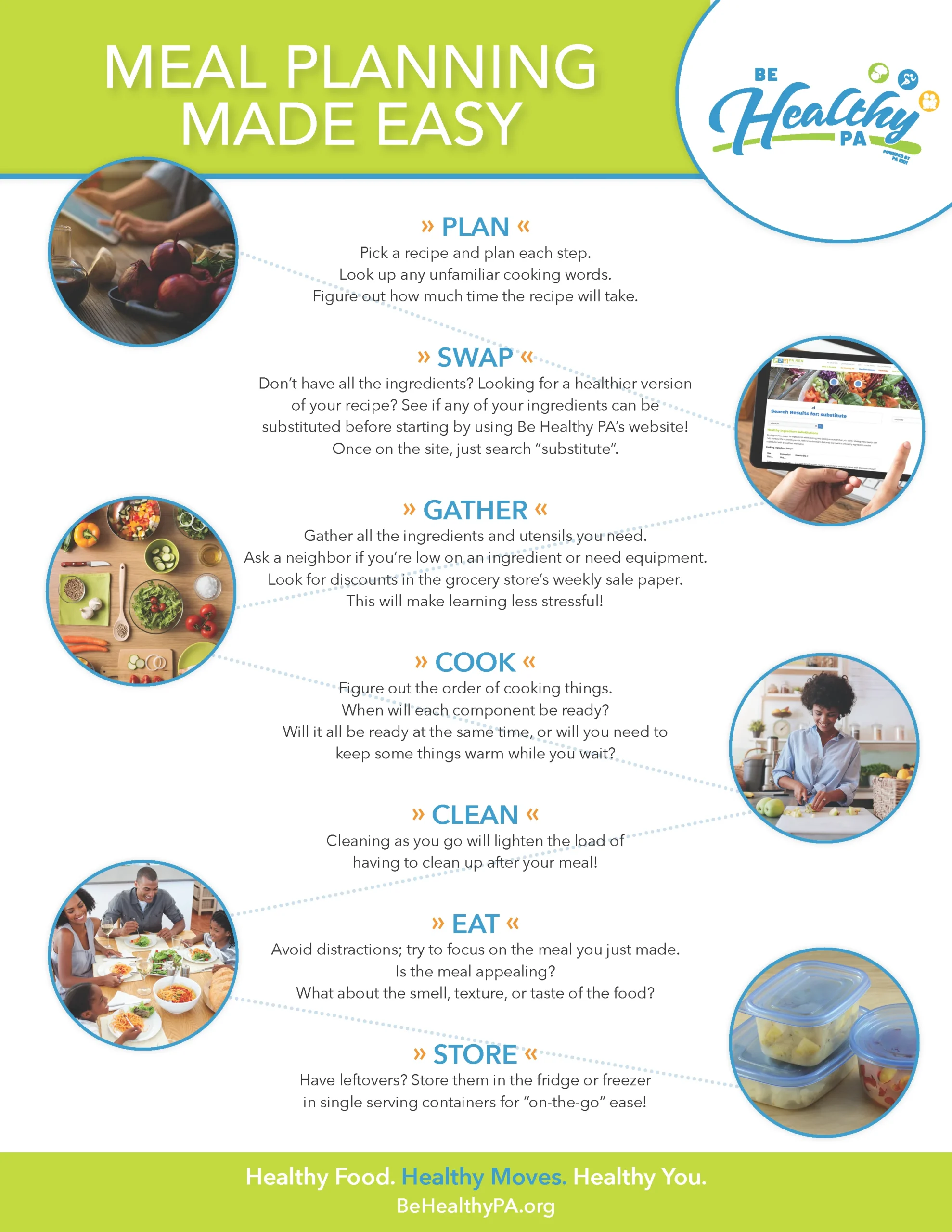
For beginners, it might sound overwhelming, but it doesn’t have to be. Starting with simple recipes and building your routine gradually can make meal prepping a sustainable and enjoyable habit.
Benefits of Meal Prepping
There’s more to meal prepping than just convenience. It helps you stay on track with your nutrition goals by controlling portion sizes and ingredients. By planning meals in advance, you cut down on the temptation of unhealthy takeout or last-minute fast food. It’s also a major timesaver, freeing up your evenings and reducing daily cooking stress.
Budget-wise, meal prepping can reduce food waste and save money by allowing you to buy ingredients in bulk and avoid impulse purchases. Plus, it often leads to better variety, as you can thoughtfully create balanced meals instead of reaching for whatever’s quick and easy in the moment.
Planning Your Weekly Meals
Assessing Your Dietary Needs and Preferences
The foundation of good meal prep starts with understanding your unique dietary needs. Are you looking to build muscle, lose weight, or simply eat healthier? Do you have any allergies or food intolerances? Take these factors into account early when deciding what dishes to prepare.
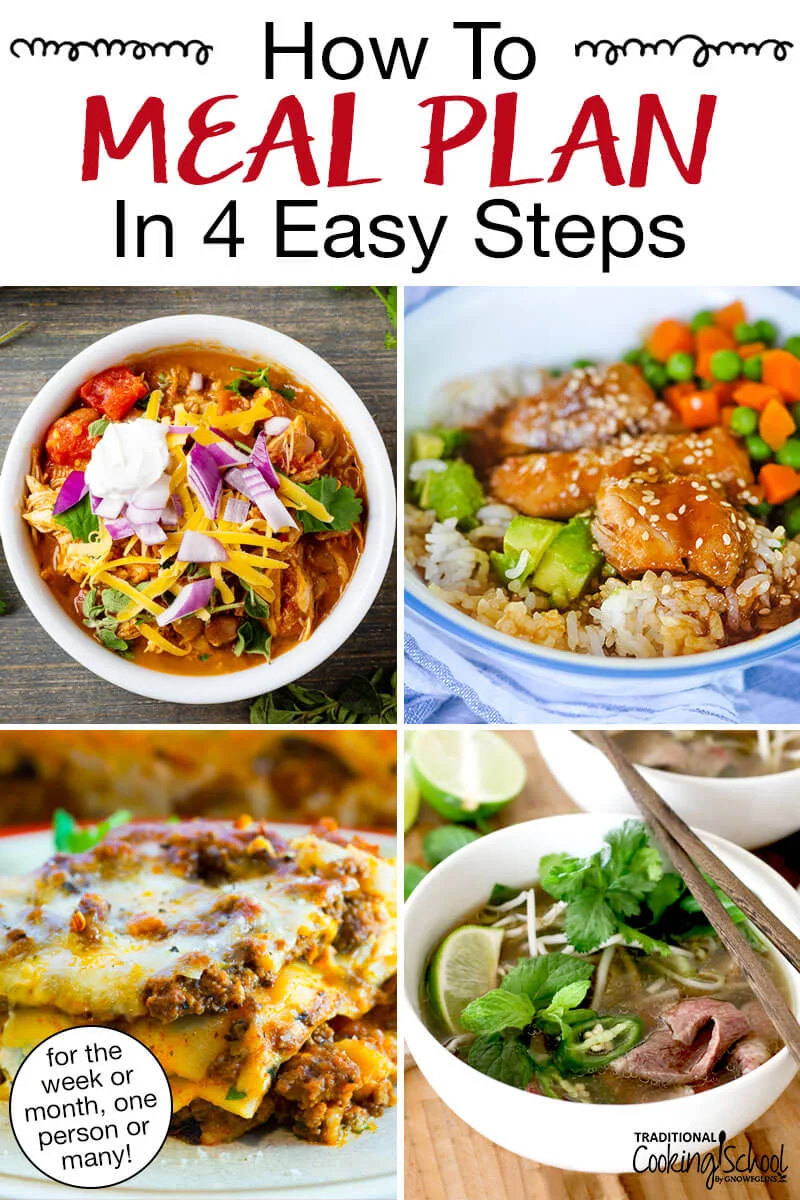
Preferences also matter—identify flavors and foods you genuinely enjoy. Meal prepping is less likely to feel like a chore if the meals excite your taste buds. Don’t be afraid to tailor recipes to align with your lifestyle, whether that means increasing plant-based meals or incorporating cultural favorites.
Creating a Balanced Meal Plan
Once your needs and likes are clear, aim for a balanced meal plan that includes a variety of nutrients. Combine proteins, healthy fats, and complex carbohydrates in each meal. Incorporate plenty of vegetables and whole grains to keep things nutritious and satisfying.
Try to map out three main meals plus snacks for the week, ensuring each is easy to prepare and store. Think about meals that refrigerate or freeze well, so you can maintain freshness throughout the week.
Choosing Recipes That Are Easy to Prep
Begin with simple recipes that don’t require complicated techniques or rare ingredients. One-pot dishes, sheet pan meals, and slow cooker recipes are great entry points. They minimize cleanup and often yield large portions perfect for dividing into containers.
Look for recipes that share ingredients to simplify your shopping and reduce waste. Rotating a few versatile staple meals each week can also help you stay consistent without feeling overwhelmed by complexity.
Your Essential Meal Prep Shopping List
How to Make a Grocery List That Saves Time
Creating a detailed grocery list based on your meal plan eliminates the aimless wandering in stores. Group items by category—produce, proteins, pantry staples—to speed up the shopping process. Double-check pantry basics like spices, oils, and grains before adding new items.
Stick to your list to avoid unnecessary purchases, and consider digital tools or apps that help organize and manage your shopping efficiently.
Shopping Tips for Freshness and Budget
Choose seasonal produce for the best flavor and price. Buying fresh ingredients at the start of the week helps ensure your meals taste as good as possible. For proteins, frozen options can be budget-friendly and just as nutritious, especially if you won’t use everything immediately.
Visiting local markets or using store loyalty programs can also provide savings. Keep an eye out for sales on staples that can be frozen or stored long term.
Choosing Kitchen Tools for Efficient Meal Prep
Having the right tools makes meal prepping easier and more enjoyable. Essential items include quality storage containers (preferably BPA-free and stackable), sharp knives, a reliable cutting board, and a good set of pots and pans. A slow cooker or instant pot can be a game changer for hands-off cooking.
Consider investing in a food scale for portion accuracy and a good set of reusable labels to date your meals. These small additions streamline the process and help keep your kitchen organized.
Step-by-Step Cooking Guide
Batch Cooking Basics
Batch cooking involves preparing large quantities of a dish at once and dividing it into portions for the week. Start by choosing recipes that hold up well when stored, such as stews, casseroles, or roasted vegetables. Cook proteins and grains in bulk to mix and match throughout the week.
Organize your cooking efficiently by prepping all your ingredients first—chop vegetables, measure spices, and portion proteins before turning on the stove. This “mise en place” method saves time and reduces stress in the kitchen.
Cooking Techniques to Maximize Flavor and Nutrition
Simple techniques can turn basic ingredients into something delicious. Roasting vegetables enhances their natural sweetness, while steaming preserves nutrients better than boiling. Don’t overlook seasoning—herbs, spices, and citrus can brighten up meals without extra calories.
Aim for cooking methods that maintain moisture and texture, preventing meals from becoming dull or dry when reheated. Using healthy fats like olive oil not only adds flavor but also supports nutrient absorption.
Storing and Reheating Your Meals Safely
Proper storage is key to maintaining the quality and safety of prepped meals. Use airtight containers to lock in freshness and avoid cross-contamination. Label each container with the date to keep track of how long meals have been stored.
Most meals last about 3 to 5 days in the refrigerator, but freezing can extend this to several weeks. When reheating, make sure food reaches an internal temperature of 165°F (74°C) to eliminate bacteria. Avoid reheating multiple times to preserve texture and safety.
Tips to Stay Consistent and Avoid Common Pitfalls
Time-Saving Shortcuts
Once you find a rhythm, you’ll discover shortcuts that fit your style. Pre-chopping vegetables, using pre-washed greens, or doubling recipes for freezer meals can shave off prep time. Don’t hesitate to utilize kitchen gadgets like food processors or microwave steamers to speed things up.
Setting aside a specific time each week for meal prep creates a routine that becomes easier over time. Consistency is often the biggest hurdle for beginners, but a little planning can keep momentum going.
How to Keep Meals Interesting Throughout the Week
Repetition can lead to boredom, so introduce variety by swapping out herbs, spices, or sauces. Adding fresh salad greens, toppings like nuts or seeds, or a side of fruit can transform the same base meal into something new. Experimenting with different cuisines keeps your palate engaged.
Listening to your body’s signals is important too. If a meal isn’t satisfying or enjoyable, tweak the ingredients or portion sizes rather than forcing yourself to eat it simply because it’s prepped.