


Understanding the Importance of Reducing Food Waste
Environmental Impact of Food Waste
Food waste doesn’t just mean tossing out uneaten meals; it represents a larger environmental issue. When food is discarded, all the resources that went into producing it—water, energy, land—are wasted as well. Moreover, decomposing food in landfills produces methane, a potent greenhouse gas that contributes significantly to climate change. By reducing food waste, we can ease the burden on our environment, conserve precious resources, and help curb emissions.
Economic Benefits of Waste Reduction
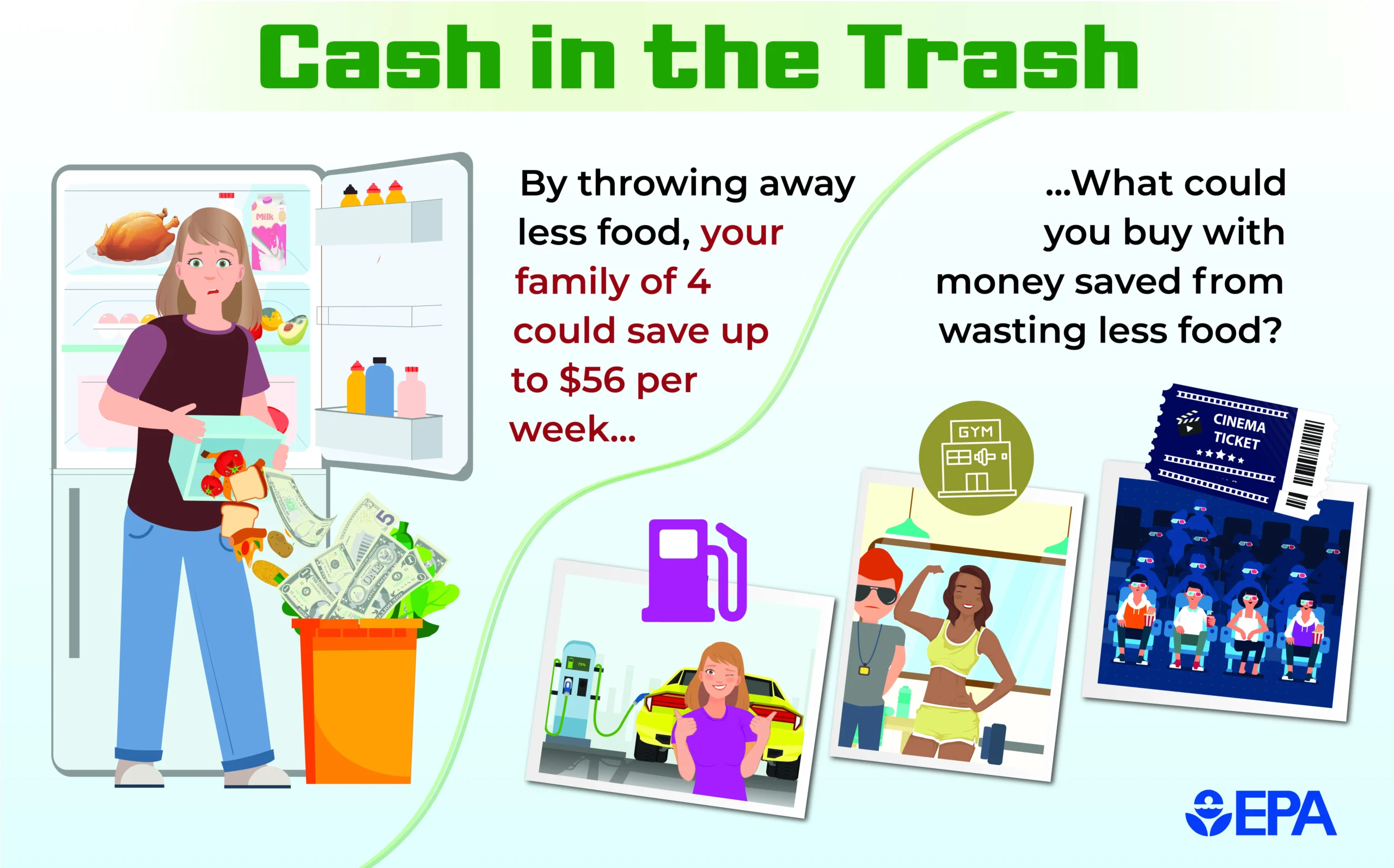
Cutting down on food waste also makes good financial sense. The money spent on food that ends up in the trash is essentially lost income. By planning better and using food more efficiently, households can stretch their grocery budgets further. For families on tight budgets, this can mean the difference between struggling to put meals on the table and comfortably managing expenses without compromising nutrition.
Planning Your Meals Efficiently
Creating a Balanced Weekly Menu
Effective meal planning is at the heart of reducing food waste. Starting with a weekly menu allows you to make intentional choices about what to buy and how to use it. Focus on building balanced meals that incorporate a variety of food groups, ensuring you get an array of nutrients. Planning also helps align your food purchases with your actual needs, so you don’t end up buying excess ingredients that might spoil.
Smart Grocery Shopping Strategies
Going to the store with a clear plan can drastically reduce impulse buys that often go unused. Consider shopping when you’re not hungry, which can prevent grabbing items you don’t need. Stick to the perimeter of the store for fresh produce, dairy, and proteins while being cautious with processed items that might have shorter shelf lives or less nutritional value. Buying in bulk is tempting but be mindful only to buy what you can reasonably consume before it spoils.
Using a Shopping List to Avoid Impulse Purchases
A well-prepared shopping list is a powerful tool for minimizing waste. It keeps your focus on essential items required for your meals, preventing you from giving in to promotions or decorative displays that prompt unplanned purchases. Regularly updating your list based on what you already have at home avoids duplication and ensures ingredients get used in time.
Storage Techniques to Prolong Food Freshness
Proper Refrigeration and Freezing Methods
How you store food has a huge impact on its lifespan. Understanding which foods belong in the fridge, freezer, or pantry can prevent early spoilage. For instance, some fruits and vegetables last longer when kept cool, while others like tomatoes do better at room temperature. Freezing leftovers or surplus produce is an excellent way to extend their usability without sacrificing nutrients.
Organizing Your Pantry for Better Visibility
A cluttered pantry often leads to forgotten items that eventually expire unnoticed. Keep your pantry tidy by grouping similar items and rotating older products to the front so they get used first. This practice, often called “first in, first out,” helps maintain an organized kitchen and reduces the chances of food going to waste simply because it was overlooked.
Creative Cooking to Utilize Leftovers
Transforming Leftovers into New Meals
Leftovers don’t have to be boring or repetitive. With a little creativity, they can serve as the base for entirely new dishes. For example, roasted vegetables from dinner can be tossed into salads, soups, or omelets the next day. Repurposing food not only minimizes waste but also saves time and money, allowing you to enjoy different flavors without extra cooking.
Batch Cooking and Portion Control
Batch cooking can help manage portions and prevent over-preparation. When you cook in bulk, divide meals into smaller containers and refrigerate or freeze what you won’t eat immediately. This method encourages balanced eating, prevents overeating, and reduces the likelihood of leftovers going uneaten. Planning portions ahead also helps keep nutrition in check without unnecessary excess.
Balancing Nutrition on a Tight Budget
Affordable Nutrient-Dense Foods
Eating healthily doesn’t mean spending a fortune. Staples like beans, lentils, eggs, oats, and frozen vegetables provide excellent nutrition at a low cost. These foods are also versatile, making them easy to incorporate into various meals without getting monotonous. Prioritizing nutrient-dense options ensures that your body gets what it needs without stretching your budget.
Incorporating Seasonal and Local Ingredients
Choosing seasonal fruits and vegetables often means fresher produce at lower prices. Local markets can offer deals and reduce transportation-related costs and environmental impacts. Eating seasonally not only supports your local economy but also diversifies your diet throughout the year, keeping meals interesting and aligned with what nature has to offer.
Tools and Apps to Track Food Inventory and Reduce Waste
Top Apps for Meal Planning and Food Tracking
Technology can be a useful ally in reducing food waste. Several apps help you keep an inventory of what’s in your fridge and pantry, remind you of expiration dates, and even suggest recipes based on ingredients you already have. Such tools make meal planning effortless and avoid the common pitfall of buying duplicates or forgetting about food until it spoils.
Community and Sharing Initiatives to Combat Food Waste
Food Donation and Sharing Networks
Sometimes, despite best efforts, excess food accumulates. Instead of discarding it, consider food donation programs or sharing networks in your community. Many organizations accept surplus edible food and redistribute it to those in need. Participating in these networks not only helps reduce waste but also supports community welfare.
Participating in Food Swaps and Community Gardens
Another way to minimize waste and build connections is through food swaps and community gardening. These initiatives encourage exchanging homegrown produce or surplus items with neighbors, promoting resourcefulness and sustainability. Community gardens can also be an affordable source of fresh, seasonal ingredients, fostering a deeper appreciation for food and its origins.