


Understanding Seasonal Produce and Its Benefits
What Defines Seasonal Produce?
Seasonal produce refers to fruits and vegetables that are harvested at their peak during specific times of the year. These foods grow naturally according to local climate patterns, ensuring they develop optimal flavor and nutritional value. Unlike out-of-season items that require artificial growing conditions or extensive transport, seasonal produce is fresher and more in tune with natural cycles.
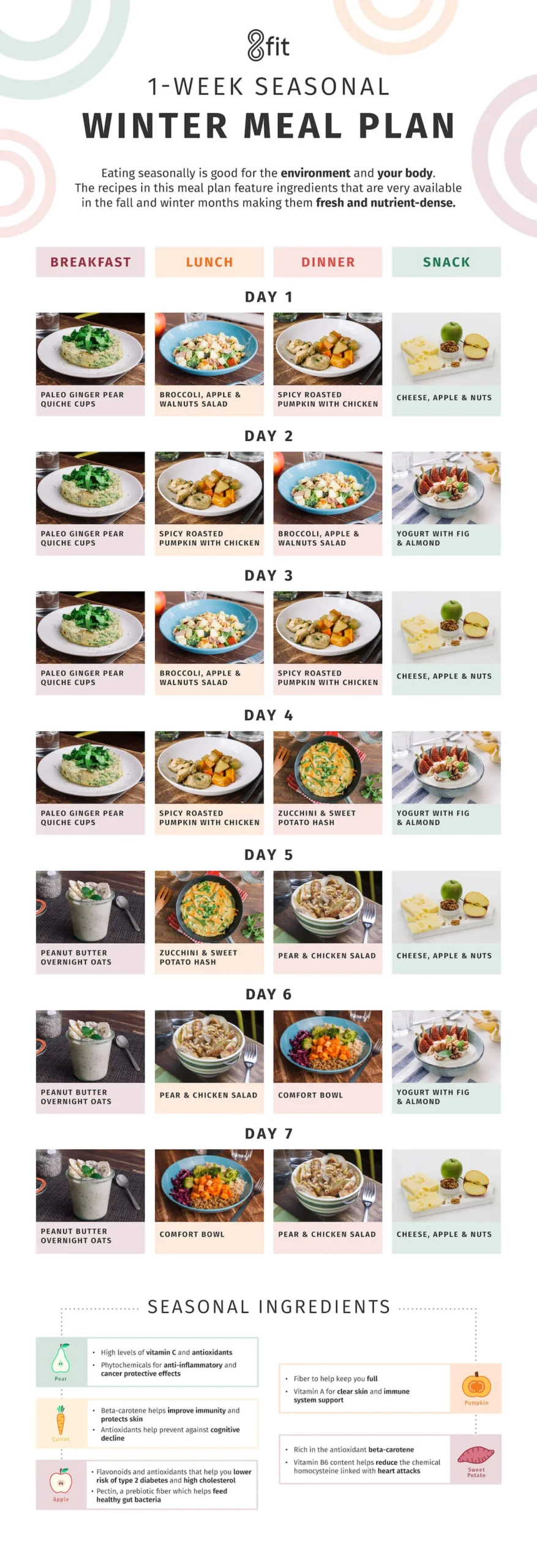
Health Advantages of Eating Seasonally
Eating produce that is in season provides superior nutritional benefits. Since these fruits and vegetables are harvested when fully ripe, they retain higher levels of vitamins, minerals, and antioxidants. Consuming fresh, nutrient-dense seasonal foods can boost immunity, improve digestion, and support overall wellness more effectively than out-of-season alternatives.
Environmental and Economic Impact
Choosing seasonal produce reduces environmental strain by minimizing the need for energy-intensive greenhouses or long-distance transportation. This lowers carbon footprints and helps conserve resources. Additionally, seasonal foods tend to be less expensive and more abundant locally, making them a cost-effective option for weekly meal planning.
Planning Your Weekly Meals Around Seasonal Ingredients
How to Identify Current Seasonal Produce
One common challenge in meal prep is knowing which ingredients are truly seasonal. The availability varies by region, so consulting local farmers’ markets, grocery store displays, and seasonal produce guides can clarify what’s freshest. Paying attention to what is prominently featured or on sale is often a reliable indicator of seasonality.
Creating a Balanced Meal Plan With Seasonal Foods
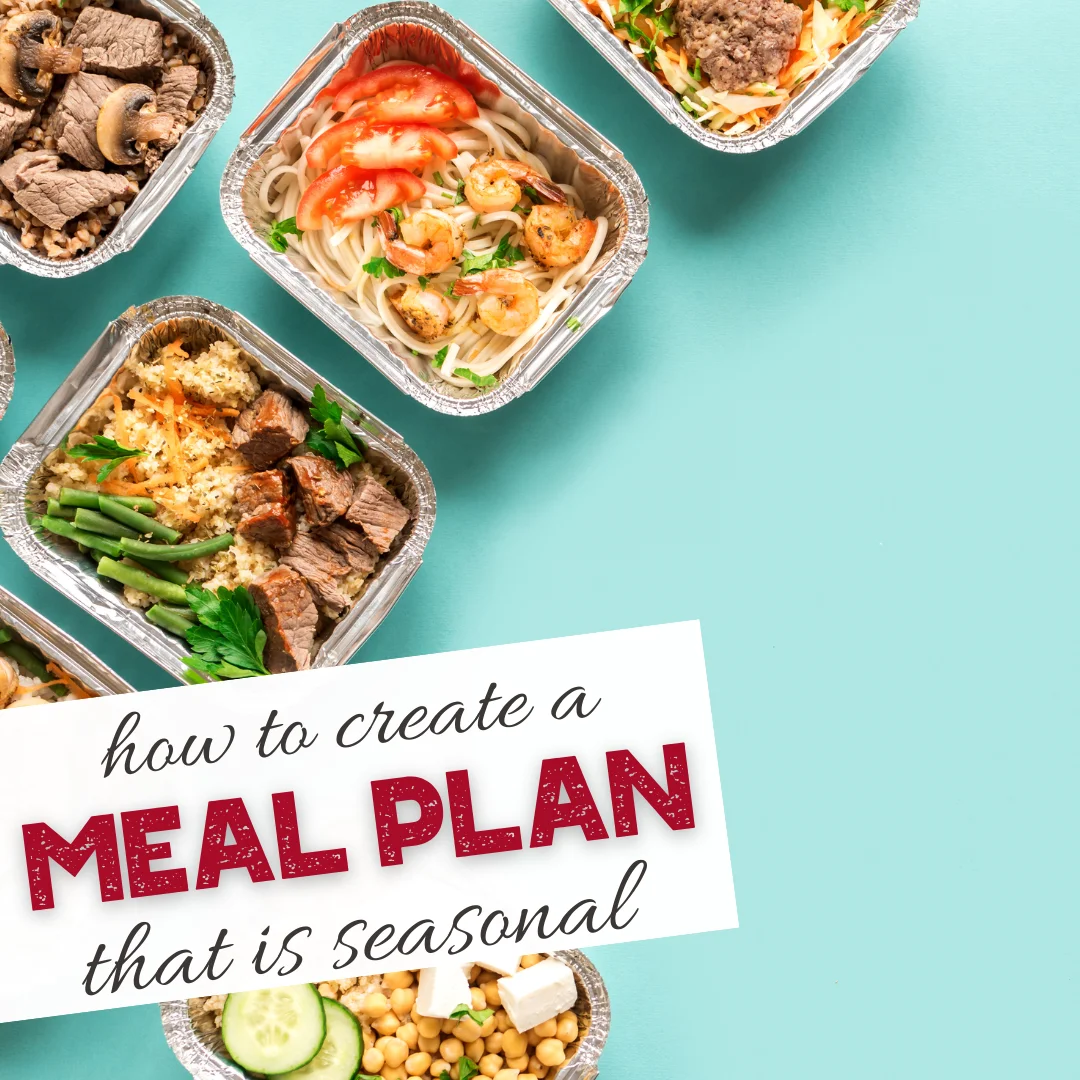
Building a weekly meal plan that leverages seasonal produce requires intentional choices. Focus on combining vegetables, fruits, proteins, and whole grains to meet your nutritional needs while keeping meals flavorful. Planning around what’s fresh often means relying on brightly colored vegetables, leafy greens, and fruit varieties that complement each other well.
Incorporating Variety to Prevent Meal Prep Burnout
While seasonal ingredients offer many options, it’s easy to fall into repetitive patterns, leading to boredom. Introducing different cooking methods and experimenting with new recipes can maintain interest. Rotating seasonal foods weekly or mixing lesser-known produce into your meals can diversify your palate and keep meal prep exciting.
Simple Techniques for Preparing Seasonal Produce
Batch Cooking Vegetables and Fruits
Preparing large quantities of seasonal produce at once saves time and encourages consistent healthy eating. Roasting a mix of root vegetables or steaming leafy greens for the week allows for easy incorporation into various dishes. For fruits, washing, peeling, and portioning make them convenient for snacks or additions to breakfast.
Storage Tips to Maximize Freshness
One of the hurdles in using seasonal produce is preventing spoilage before it can be eaten. Storing fruits and vegetables correctly based on their specific needs—such as refrigeration, humidity control, or room temperature placement—maintains their quality longer. Organizing your fridge and pantry to prioritize fresh use helps reduce waste.
Freezing and Preserving Seasonal Ingredients
Freezing is an effective way to extend the life of seasonal produce. Blanching vegetables before freezing preserves texture and nutrients. Similarly, freezing berries or herbs at peak ripeness ensures those flavors remain available even when the season ends. Other methods like pickling or drying offer additional preservation options.
Easy Seasonal Meal Prep Ideas
Breakfast Options Featuring Fresh Produce
Starting the day with seasonal fruits or vegetables enhances both nutrition and flavor. Incorporate berries into oatmeal, make smoothies with fresh greens, or add roasted squash to eggs. These simple additions not only boost nutrients but can also streamline morning routines.
Nutritious Lunches That Stay Fresh
Lunches benefit from meals that hold up well throughout the day. Grain bowls topped with roasted seasonal vegetables and lean proteins are satisfying and maintain texture. Fresh salads with sturdy greens and a mix of crunchy vegetables make for refreshing, light midday meals without wilting or sogginess.
Dinner Recipes Highlighting Seasonal Flavors
Dinners centered on seasonal ingredients can be both comforting and inventive. Think hearty stews with root vegetables in cooler months or grilled vegetable medleys during summer. Utilizing herbs and spices alongside peak produce accentuates natural flavors without requiring complicated techniques.
Maximizing Nutritional Value in Seasonal Meals
Pairing Ingredients for Better Absorption
Some nutrients are better absorbed when paired correctly. For example, combining vitamin C-rich vegetables with iron-containing plant foods enhances iron uptake. Using healthy fats with fat-soluble vitamins found in colorful vegetables improves their bioavailability. Being mindful of these pairings can make seasonal meals more nourishing.
Balancing Macronutrients Using Seasonal Foods
Relying on seasonal produce doesn’t mean neglecting proteins or healthy fats. Including sources like beans, nuts, seeds, and lean meats alongside vegetables and fruits creates balanced meals. Planning meals with an appropriate mix of carbohydrates, fats, and proteins supports sustained energy and overall health throughout the week.
FAQs on Using Seasonal Produce for Meal Prep
How Often Should I Change My Meal Prep According to Season?
Adjusting your meal prep each season aligns with the natural availability of fresh produce, encouraging variety and optimal nutrition. Typically, updating meal plans every few months when new fruits and vegetables come into season ensures you’re eating the freshest and most flavorful ingredients. However, small adjustments every month can keep meals dynamic.
What Are Common Mistakes When Using Seasonal Produce?
A frequent error is buying more than can be consumed before spoilage, leading to waste. Another pitfall is sticking too rigidly to seasonal items without adapting recipes, which can make meal prep monotonous. Additionally, improper storage or not utilizing preservation methods can result in lost nutrients and flavor. Being flexible and informed prevents these issues.