

Understanding the Link Between Hydration and Brain Function
Physiological Impact of Water on Cognitive Processes
Imagine Sarah, a project manager in a high-pressure environment, noticing that her concentration dips sharply after a long morning of back-to-back meetings. What she might not realize is that subtle dehydration could be affecting her brain function. Water plays a crucial role in maintaining the brain’s structure and function because approximately 75% of the brain is water. It supports neural communication, regulates temperature, and aids in the transportation of nutrients and oxygen to brain cells. Without adequate hydration, these processes can slow down, directly impacting attention, memory, and problem-solving skills.

Dehydration Symptoms and Their Effect on Mental Clarity
Tom, an accountant during tax season, often feels foggy and fatigued by midday. These symptoms—common signs of dehydration—include headaches, dizziness, and decreased alertness. Even mild dehydration, often just a 1-2% drop in body water, can reduce cognitive performance. For workers, this blurring of mental clarity translates to slower reaction times, diminished decision-making skills, and an increased risk of errors, which in a demanding work setting can have significant consequences.
Daily Hydration Needs for Optimal Workplace Performance
Recommended Water Intake for Adults
Adults generally need about 2 to 3 liters of water daily to maintain optimal hydration, but this varies widely depending on individual needs. Taking June’s experience as an example, a graphic designer found that sticking to standard recommendations kept her mental sharpness intact during creative sessions. It’s not just about drinking when thirsty — regular, consistent hydration is key to supporting brain function throughout the workday.
Factors Increasing Hydration Requirements During Work
Consider John, a construction site supervisor working outdoors where heat and physical exertion continuously increase his water needs. Factors such as temperature, humidity, physical activity level, and even air-conditioned environments at the office can influence how much water your body requires. Stress and caffeine, commonly present in many workplaces, may also have a mild diuretic effect, subtly raising hydration needs.
Hydration Strategies to Boost Cognitive Functions at Work
Timing Your Water Intake for Maximum Mental Alertness
During her morning routine, Emma learned that spacing water intake between meetings rather than gulping it all at once helps her sustain focus longer. Strategic hydration, such as drinking a glass of water before starting a task or after a break, can optimize alertness. Avoiding dehydration dips by sipping water steadily throughout the day supports sustained cognitive performance, preventing those mid-afternoon slumps.
Hydrating Alternatives Beyond Plain Water
While water is king, sometimes variety helps maintain hydration habits. Ingredients like cucumber slices, lemon, or mint in water can make drinking more enjoyable. Drinks like herbal teas or diluted fruit juices also contribute fluids without excessive sugar or stimulants. In environments where water isn’t always convenient, these options offer practical ways to stay hydrated and mentally sharp.
Smart Habits to Maintain Consistent Hydration Throughout the Day
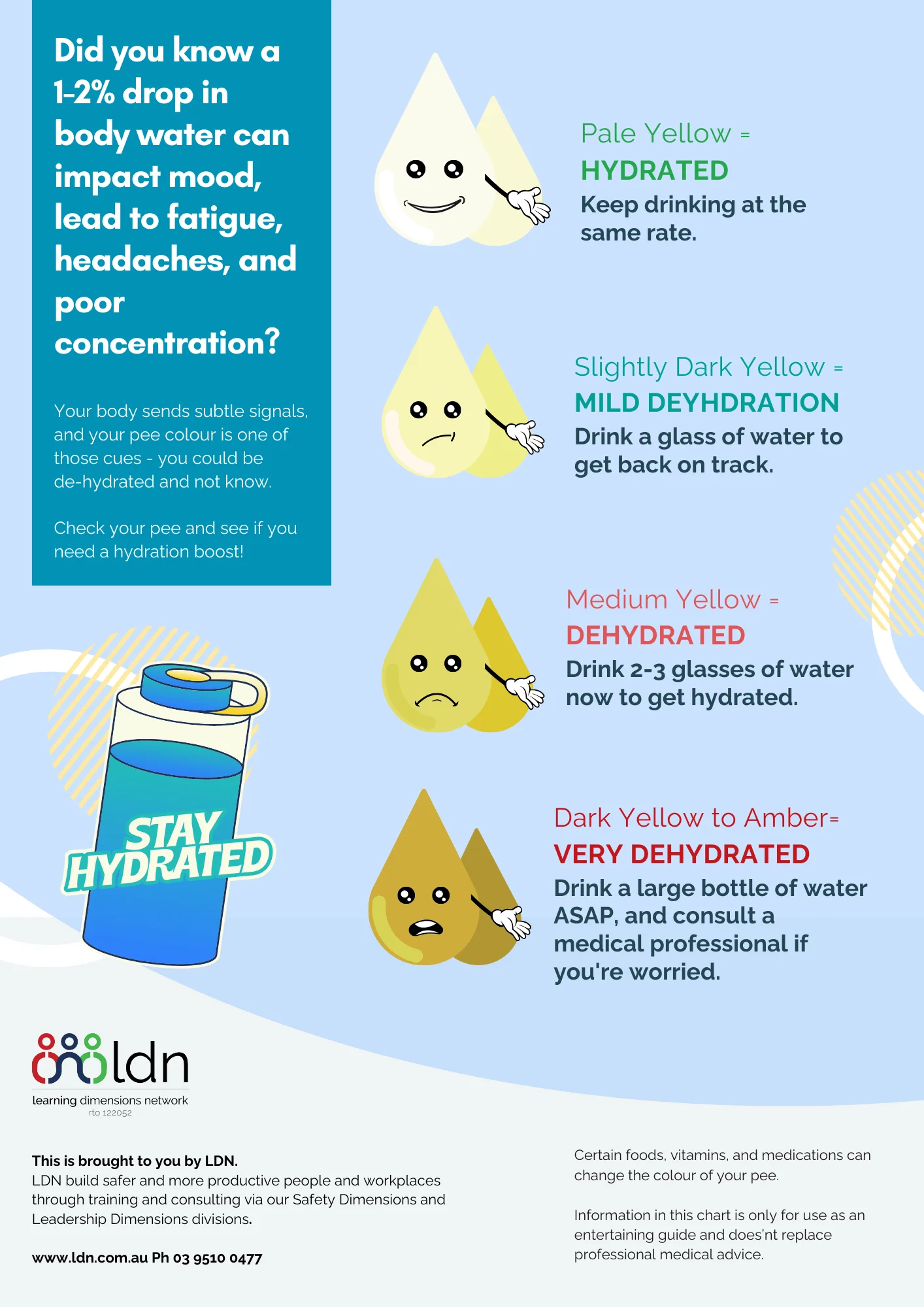
Carlos keeps a reusable water bottle on his desk and sets hourly reminders on his phone to take a few sips. Such habits build automaticity around hydration. Taking a water break before and after lunch, choosing water during snack times, and pairing drinking with routine activities like checking emails can embed hydration seamlessly into daily workflow. The goal is to make drinking water as habitual as checking work messages, reducing the chances of forgetting.
Case Studies: Improved Work Performance Through Better Hydration
Real-World Examples of Enhanced Focus and Productivity
In one corporate office, a shift to promoting hydration through workplace initiatives resulted in employees reporting higher energy levels and improved concentration. Mark, a data analyst, noticed that by simply increasing his water intake, his error rate during complex data entry dropped significantly. These observed benefits underscore how simple hydration adjustments can translate into tangible productivity spikes.
Quantifying Cognitive Gains from Hydration Practices
Studies tracking hydration effects at work settings suggest that cognitive performance can improve measurably with adequate water intake. For example, reaction times in cognitive tests improved by several percentage points after participants adjusted hydration habits. Although individual results vary, these improvements signify meaningful boosts in mental acuity that impact everyday professional tasks.
Technology and Tools to Track and Encourage Hydration
Top Hydration Apps for Busy Professionals
For those juggling multiple deadlines like Lisa, hydration apps provide a gentle nudge when fluid intake falls behind. These apps often feature personalized reminders, daily goals, and progress tracking, making it easier to develop consistent hydration routines. Using technology to keep hydration top of mind can bridge the gap between good intentions and daily practice, especially during hectic work hours.
Innovative Water Bottles with Smart Reminders
Innovations such as smart water bottles that glow or send notifications when it’s time to drink are gaining popularity among tech-savvy professionals. James, a software developer, found that his smart bottle helped him break long stretches of desk work without fluid intake. These gadgets blend seamlessly into modern workplaces, supporting hydration habits by leveraging subtle behavioral cues.


