


Understanding the Importance of Balanced Nutrient Intake
Key Nutrients Your Body Needs Weekly
Maintaining a balanced nutrient intake is essential for overall health, energy levels, and long-term wellness. Your body requires a variety of nutrients each week, including carbohydrates for energy, proteins for muscle repair and growth, healthy fats for brain function, and vitamins and minerals to support immune health. Without a proper balance, you may experience fatigue, weakened immunity, or nutrient deficiencies that can affect your daily performance and well-being.
How Meal Prep Supports Nutritional Balance
Meal prepping is a strategic way to ensure consistent nutrient intake, especially during busy weeks. When you prepare meals in advance, you control the ingredients and portion sizes, which reduces the temptation to rely on processed or convenience foods that are often nutrient-poor. Additionally, meal prep allows you to include a wide variety of foods, helping you meet your macro- and micronutrient needs in a structured, manageable way.
Assessing Your Weekly Schedule and Nutritional Goals
Evaluating Time Constraints for Meal Prep
One of the biggest challenges in meal prep is finding the time to cook and plan, especially for those with hectic schedules. To plan effectively, start by realistically assessing when you can allocate time for meal prep. This might be a few hours on the weekend or short daily sessions. Ignoring time constraints can lead to frustration or unfinished plans, undermining your commitment to healthy eating.
Setting Realistic Health and Nutrient Targets
Without clear nutritional goals, meal prep can feel aimless. Setting achievable targets—such as increasing vegetable intake, limiting added sugars, or including lean proteins at every meal—can guide your planning. These realistic goals also help maintain motivation, as they provide tangible metrics to track progress rather than overwhelming expectations.
Step-by-Step Guide to Effective Weekly Meal Prep
Creating a Balanced Meal Plan Template
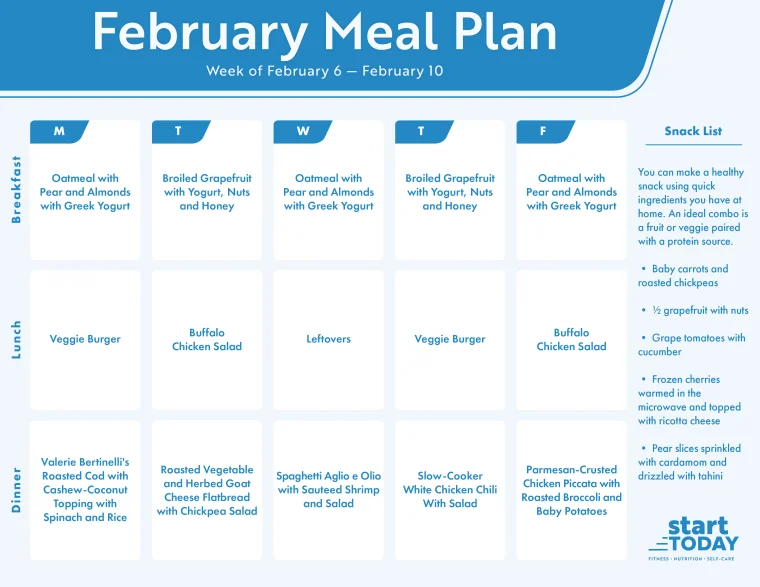
Start your meal prep by drafting a simple template that outlines meals for the week. A balanced template includes a source of protein, complex carbohydrates, healthy fats, and a variety of fruits and vegetables at every meal. This framework ensures nutrient diversity without overwhelming detail, making it easier to plan consistently.
Choosing Ingredients for Maximum Nutrient Density
The quality of your ingredients heavily influences the nutritional value of your meals. Opt for whole foods such as fresh vegetables, whole grains, lean meats, nuts, and seeds. Picking seasonal produce can enhance nutrient content and flavor while supporting your budget. Avoiding overly processed items means your meals will be richer in vitamins, minerals, and fiber.
Shopping Smart: Tips for Efficient Grocery Runs
Long grocery trips can be time-consuming and inefficient, which often leads to impulse buys or missing key ingredients. To avoid this, create a detailed shopping list based on your meal plan, organize it by store sections, and schedule your shopping during less busy hours. This preparation reduces time spent in-store and helps you stick to your nutritional goals by avoiding unnecessary temptations.
Batch Cooking Techniques to Save Time
Cooking Methods That Preserve Nutrients
Batch cooking is a powerful strategy to save time, but improper cooking methods can degrade nutrients. Steaming vegetables, baking, or sautéing with minimal oil helps retain vitamins and minerals. Avoid overcooking as it can lead to nutrient loss, especially with delicate vitamins like C and B-complex.
Storing and Reheating Meals Without Quality Loss
Improper storage and reheating can impact both the taste and nutritional value of prepped meals. Use airtight containers to prevent moisture loss and spoilage. When reheating, avoid high heat and prolonged cooking times; instead, use gentle warming methods such as microwave reheating with a cover or reheating on low heat to preserve texture and nutrients.
Sample Weekly Meal Prep Plan for Busy Professionals
Breakfast, Lunch, Dinner, and Snacks Overview
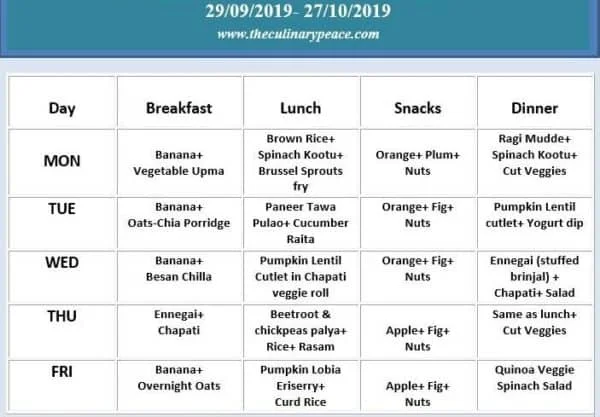
A sample plan might include overnight oats or Greek yogurt with fruit for breakfast, a quinoa salad with chickpeas and roasted vegetables for lunch, and grilled chicken with steamed broccoli and sweet potatoes for dinner. Snacks can consist of nuts, sliced vegetables with hummus, or fresh fruit. This variety ensures that each meal delivers essential nutrients while fitting into a busy lifestyle.
Customizing Meals for Dietary Preferences
Everyone’s dietary needs and preferences vary, so flexibility in meal prep is important. Whether you are vegetarian, have specific allergies, or follow a low-carb diet, you can adjust your ingredient choices accordingly. For example, swap chicken for tofu if you prefer plant-based proteins, or choose gluten-free grains like brown rice or millet to accommodate sensitivities without compromising nutrition.
Tools and Apps to Streamline Your Meal Prep Process
Meal Planning and Grocery List Applications
Technology offers solutions to ease the meal prep burden. Apps designed for meal planning can help you organize recipes, generate balanced meal templates, and automatically create categorized grocery lists. These tools save time by minimizing manual planning and reducing the risk of missing key ingredients.
Kitchen Gadgets That Make Meal Prep Easier
Investing in kitchen gadgets such as slow cookers, instant pots, or food processors can significantly cut down cooking time and simplify complex tasks like chopping or blending. These devices not only reduce effort but can also improve nutrient retention when used correctly, making meal prep more efficient and less stressful.