


Setting the Foundation for Budget-Friendly Grocery Planning
Understanding Nutritional Needs on a Budget
When planning meals with a tight budget, it’s essential to keep nutrition front and center. Eating well doesn’t have to mean spending a fortune, but it does require knowing what your body needs and selecting foods that offer the best value for your money. Focusing on nutrient-dense items like whole grains, legumes, fresh vegetables, and affordable protein sources can sustain health while keeping costs down.
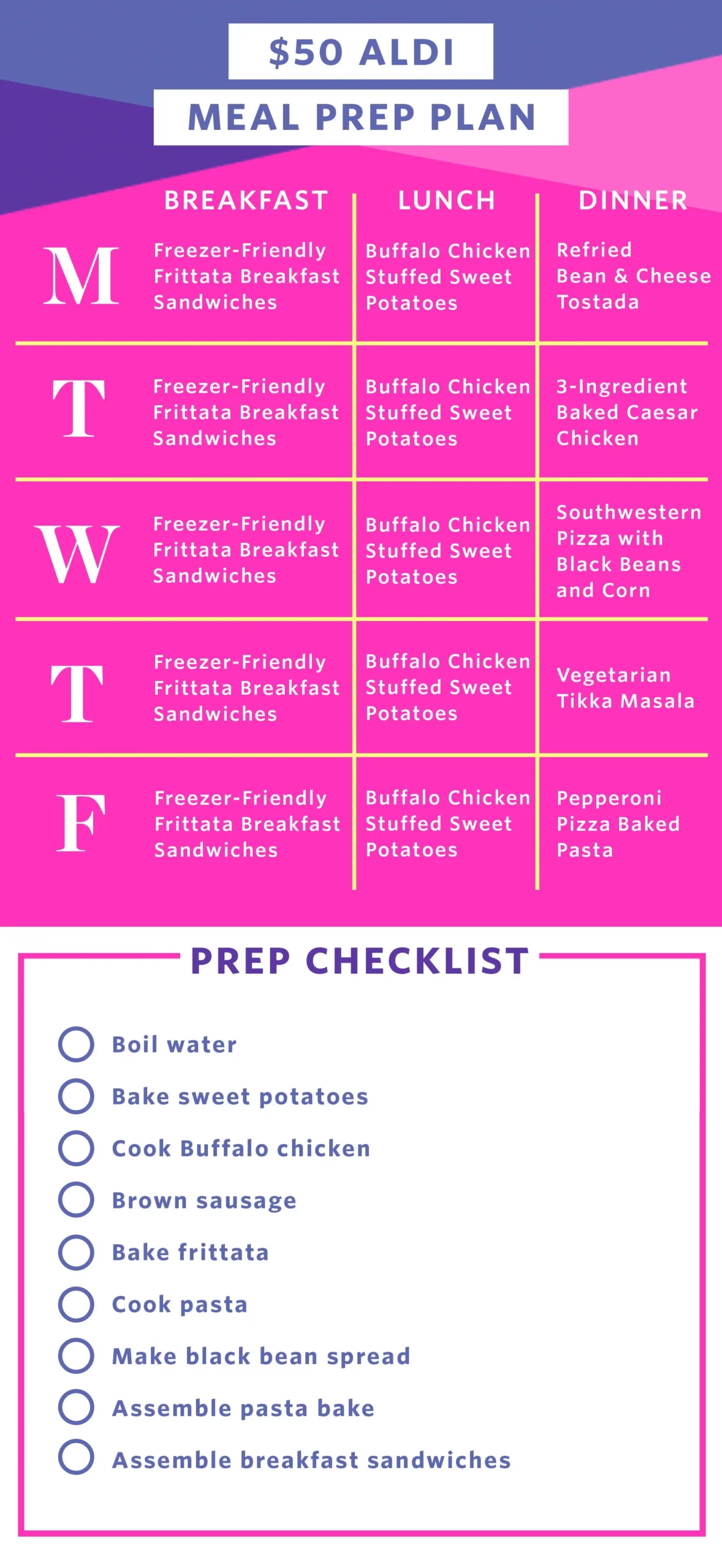
The challenge lies in balancing these nutritional needs without feeling deprived. Understanding basic dietary guidelines helps you avoid overspending on unnecessary extras. For instance, focusing on versatile staples like beans, rice, and in-season vegetables can cover much of your nutritional base neatly and affordably.
Assessing Your Weekly Meal Goals
Before heading to the store or making a list, take a moment to define what you want to achieve with your meals for the week. Are you cooking for a family that needs hearty, filling meals? Or are you shopping just for yourself and aiming for smaller portions and fewer leftovers? Establishing clear goals makes the planning process easier and more efficient.
Consider your schedule too. If you have busy days ahead, planning quick and easy meals can save both time and money. Deciding on the number of meals you’ll prepare and the variety you need will help keep your grocery list focused, reducing the temptation to buy unnecessary items.
Strategic Grocery List Creation
Building a Balanced Food Pyramid with Affordable Ingredients
Creating a grocery list that covers all food groups while sticking to a budget might seem daunting but it’s entirely possible. Start by prioritizing foods that give you the most nutrition per dollar. Grains like oats and brown rice, legumes such as lentils and chickpeas, and seasonal produce form the foundation of a balanced diet without breaking the bank.
Incorporating protein doesn’t always mean expensive cuts of meat. Eggs, canned tuna, and frozen chicken or turkey can be budget-friendly choices. Dairy or dairy alternatives can often be bought in bulk or on sale, minimizing costs. The key is variety: mixing different food groups throughout the week ensures balanced meals and prevents boredom.
Leveraging Seasonal and Local Produce for Cost Savings
One of the most effective ways to keep your grocery bill under $50 is by choosing seasonal fruits and vegetables. Not only are they fresher and tastier, but they’re also usually priced lower due to abundance. Farmers markets or local produce stands can be treasure troves of affordable, high-quality items that supermarkets might overlook.
When you plan your meals around these seasonal ingredients, you’re both supporting local agriculture and saving money. It’s a win-win. Plus, seasonal foods provide a natural cycle of variety—the kinds of produce available change over the year, encouraging diverse meal planning.
Smart Shopping Techniques to Maximize Value
Comparing Prices and Using Coupons Effectively
Smart shopping starts with a keen eye for value. Prices can vary widely between brands, stores, and even within the same store depending on placement. Taking the time to compare unit prices helps ensure you’re getting the best deal. Don’t overlook the power of coupons and store loyalty programs; stacking these savings thoughtfully can take a significant chunk off your total.
However, be cautious not to buy items just because they’re on sale or you have a coupon. Stick to your list to avoid impulse purchases that can quickly drain your budget. Planning ahead, by knowing what’s on sale, means you can incorporate discounted items into your meals rather than letting them be a spur-of-the-moment temptation.
Shopping the Perimeter: Focus on Fresh and Whole Foods
Most grocery stores are designed so that the fresh produce, dairy, meat, and bakery sections lie along the perimeter. Sticking primarily to these areas helps you avoid the expensive processed foods often found in the inner aisles. Fresh fruits and vegetables, whole grains, and lean proteins purchased here are not only healthier but also better value when used wisely.
While some pantry staples like dried beans, pasta, and canned goods are found inside the store, select these items with an eye on shelf life and price. Remember, bulk buying can be economical, but only if you have the storage space and will use the items before they expire.
Sample Weekly Grocery List Examples Under $50
Family Meals
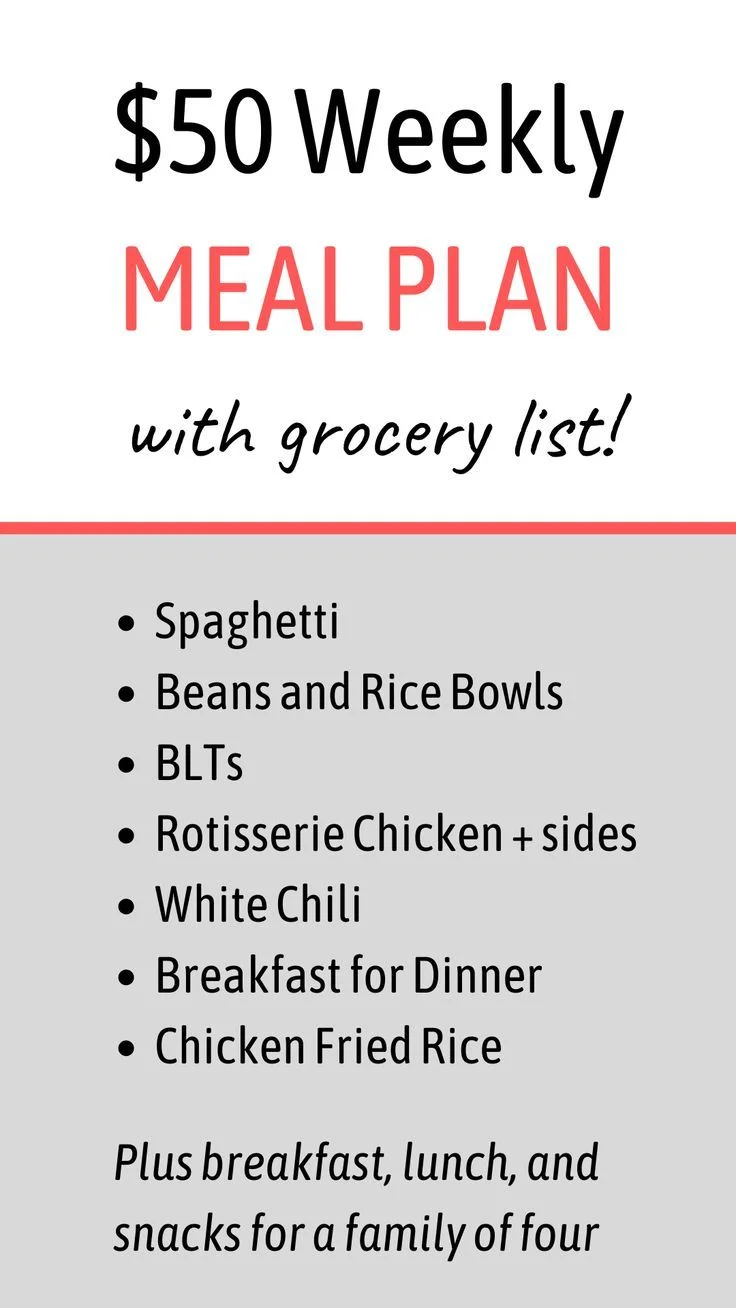
Feeding a family on a budget requires planning meals that feed several mouths without the need for expensive ingredients. A list might include staples like a large bag of brown rice, dried lentils, eggs, seasonal vegetables like carrots and cabbage, canned tomatoes, and a modest amount of chicken or ground beef. Fresh fruit like apples or bananas rounds out the list.
These ingredients can be mixed and matched to create soups, stews, stir-fries, and casseroles that stretch resources without sacrificing taste or nutrition. Bulk purchases of yogurt or cheese can also add protein and calcium, elevating the meals further.
Single-Person Portions
Shopping for one can be tricky because buying in bulk can sometimes lead to waste. Prioritizing versatile items like eggs, a small bag of rice or quinoa, a selection of frozen vegetables, and canned beans ensures you have ingredients that keep well and can be used in multiple meals.
A smaller pack of lean meats or fish, along with seasonal produce such as salads or root vegetables, keeps meals fresh and varied. Don’t forget basics like spices, garlic, and onions—they provide flavor without adding significant cost. Planning meals that reuse ingredients across the week helps keep things interesting and reduces waste.
Tips for Reducing Food Waste and Stretching Your Grocery Budget
Maximizing your grocery budget isn’t just about smart shopping—it’s equally about smart storage and meal management. Using leftovers creatively for next-day meals or turning stray vegetables into soups can extend your food’s lifespan and save money. Freezing portions that won’t be used immediately is another excellent way to prevent waste.
Keeping a running inventory of what you have in your pantry and fridge stops duplicate purchases. Also, being mindful of expiration dates and using FIFO (first in, first out) when storing food helps ensure you consume items before they spoil. Planning meals around what’s already in your kitchen encourages creativity and cuts costs significantly.
In the end, spending $50 or less on a week’s worth of nutritious meals is achievable with thoughtful planning, strategic shopping, and mindful usage. Taking the time upfront to plan carefully can lead to healthier eating habits and a lighter impact on your wallet.