


Understanding Afternoon Energy Slumps
Common Causes of Midday Fatigue
Many people experience a noticeable drop in energy during the afternoon, often between 1 PM and 3 PM. This slump can stem from various factors such as natural circadian rhythms, post-lunch digestion, and even lifestyle habits like inadequate sleep or stress. As the body focuses energy on digestion, blood flow shifts away from the brain, making you feel sluggish. Recognizing these causes is the first step toward effectively addressing afternoon fatigue.
How Nutrition Affects Energy Levels
Nutrition plays a crucial role in determining how energized or lethargic you feel throughout the day. When your meals lack balanced nutrients, especially proteins, complex carbohydrates, and fiber, blood sugar levels can spike and then crash, leading to quick energy drops. Consuming sugary or highly processed snacks might offer a temporary boost but often results in sharper declines later. Therefore, choosing the right snacks that stabilize blood sugar and provide sustained fuel is essential to overcoming afternoon slumps.
Benefits of Nutritious Snack Meal Prepping
Time-Saving Advantages
Preparing snacks in advance removes the hassle of deciding what to eat during busy afternoons. This proactive approach saves time otherwise spent searching for quick options or standing in line at cafes. By having ready-made, nutritious snacks on hand, you reduce the chance of grabbing unhealthy alternatives. Meal prepping streamlines your routine, making it easier to maintain healthy habits even on the busiest days.
Impact on Sustained Energy
Nutritious snacks that combine proteins, healthy fats, and fiber provide a steady release of energy. This balance helps avoid the typical crash that sugary or carb-heavy snacks cause. When you meal prep, you control the ingredients and portions, ensuring each snack contributes to sustained mental and physical vitality. Over time, this steady energy flow helps improve focus, mood, and overall productivity during afternoon hours.
Top Easy Meal Prep Snack Ideas to Boost Afternoon Energy
Protein-Packed Bites
Protein is key for repairing muscles and maintaining alertness. Simple snack ideas include hard-boiled eggs, Greek yogurt with nuts, or homemade energy balls made from nut butter, oats, and seeds. These options are easy to prepare in batches and keep well in the fridge, making them perfect for your afternoon boost.
High-Fiber Options
Fiber slows digestion, promoting stable blood sugar levels and longer-lasting energy. Consider prepping snacks like sliced vegetables with hummus, whole grain crackers with avocado, or a mix of raw nuts and dried fruits. Incorporating fiber into your snacks ensures you stay fuller longer while warding off fatigue.
Balanced Carbohydrate Snacks
Carbohydrates provide quick energy but must be paired with protein or fat to prevent rapid blood sugar spikes. Examples include apple slices with almond butter, rice cakes topped with cottage cheese and cucumber, or smoothies blending fruits with spinach and chia seeds. These snacks support energy without the crash.
Simple Step-by-Step Guide to Preparing Snacks in Advance
Choosing Ingredients
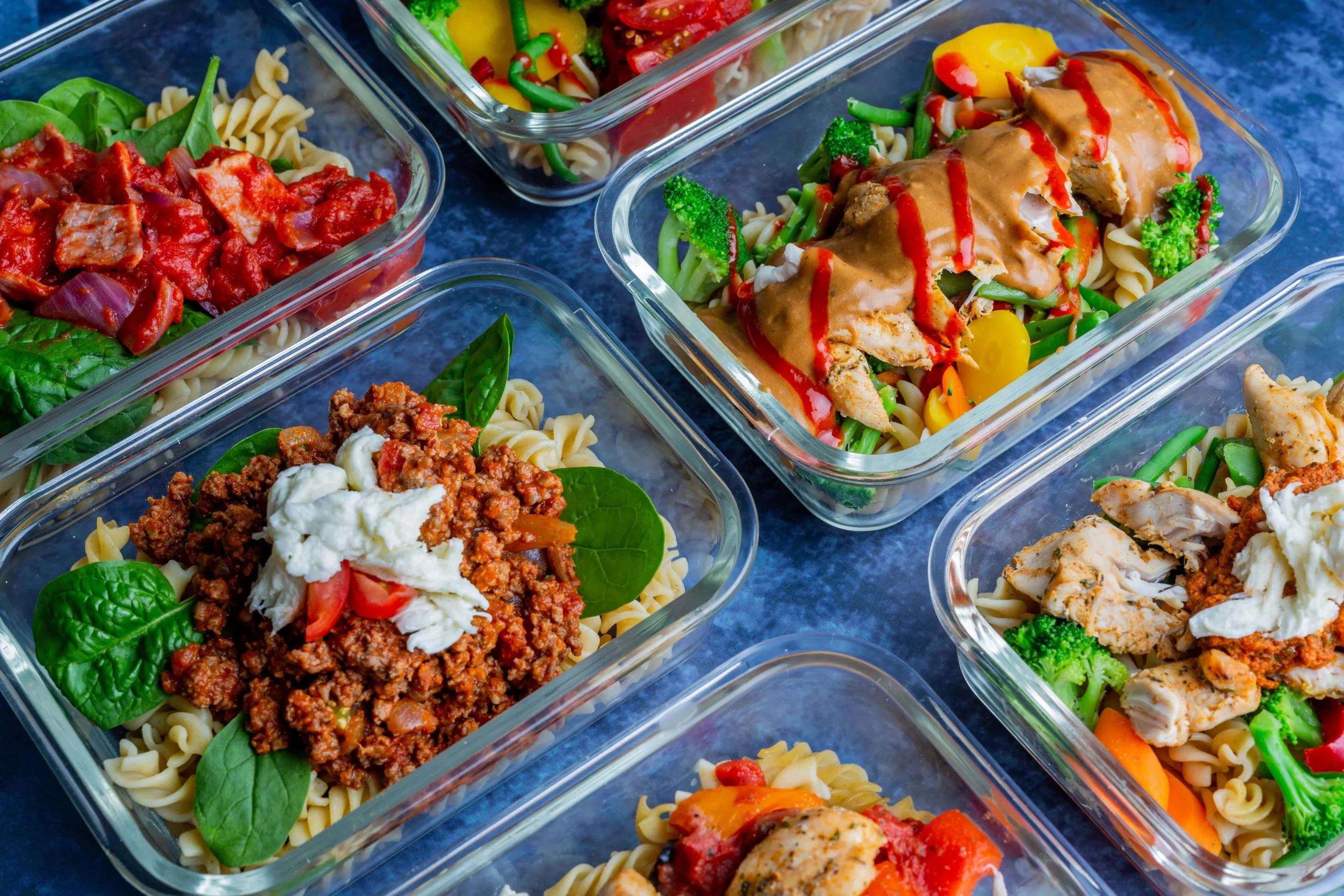
Start by selecting whole, minimally processed foods that combine macronutrients well. Focus on fresh fruits, vegetables, nuts, seeds, lean proteins, and whole grains. Avoid snacks high in refined sugars and artificial additives to keep energy levels consistent and health benefits intact.
Batch Preparation Techniques
Dedicate a specific time each week to prepare several snack portions. For example, boil a dozen eggs, chop vegetables into snack-sized pieces, or pre-assemble energy balls in small containers. Using containers with compartments or portion control helps keep servings just right, preventing overeating.
Storage Tips to Maintain Freshness
Proper storage is crucial to retain the taste and nutrients of your prepared snacks. Use airtight containers or resealable bags for dry items and invest in good-quality glass or BPA-free plastic containers for perishables. Label packages with dates and keep refrigerated snacks visible and accessible to encourage consistent consumption.
Incorporating Hydration to Enhance Snack Benefits
Healthy Drink Pairings
Pairing snacks with healthy hydration boosts their effectiveness in combating fatigue. Herbal teas, infused water with lemon or cucumber, and natural coconut water provide hydration without added sugars. Avoid sugary sodas and energy drinks as they can lead to energy crashes shortly after consumption.
Importance of Water Intake in Energy Maintenance
Staying hydrated is essential for optimal brain function and physical performance. Even mild dehydration can cause feelings of tiredness and decreased concentration. Drinking water regularly throughout the day, especially along with your snacks, supports digestion and nutrient absorption, maximizing the energy benefits of your prepared foods.
Measuring the Impact of Your Prepped Snacks on Energy Levels
Tracking Energy Changes Throughout the Day
To understand how your snack choices influence your energy, try keeping a simple journal. Note the time you eat, the type of snack, and your energy or focus levels afterward. Over several days or weeks, patterns will emerge that highlight which snacks best sustain your afternoon vitality.
Adjusting Snack Components for Optimal Results
If you notice certain snacks cause energy dips or leave you hungry too soon, tweak their composition. Adding a bit more protein or fiber, or swapping an ingredient for a healthier alternative can make a difference. Meal prepping allows flexibility to experiment and personalize your snack routine for the best outcomes.