


Understanding the Importance of Budget-Friendly Meal Planning
How Meal Planning Saves Time and Money
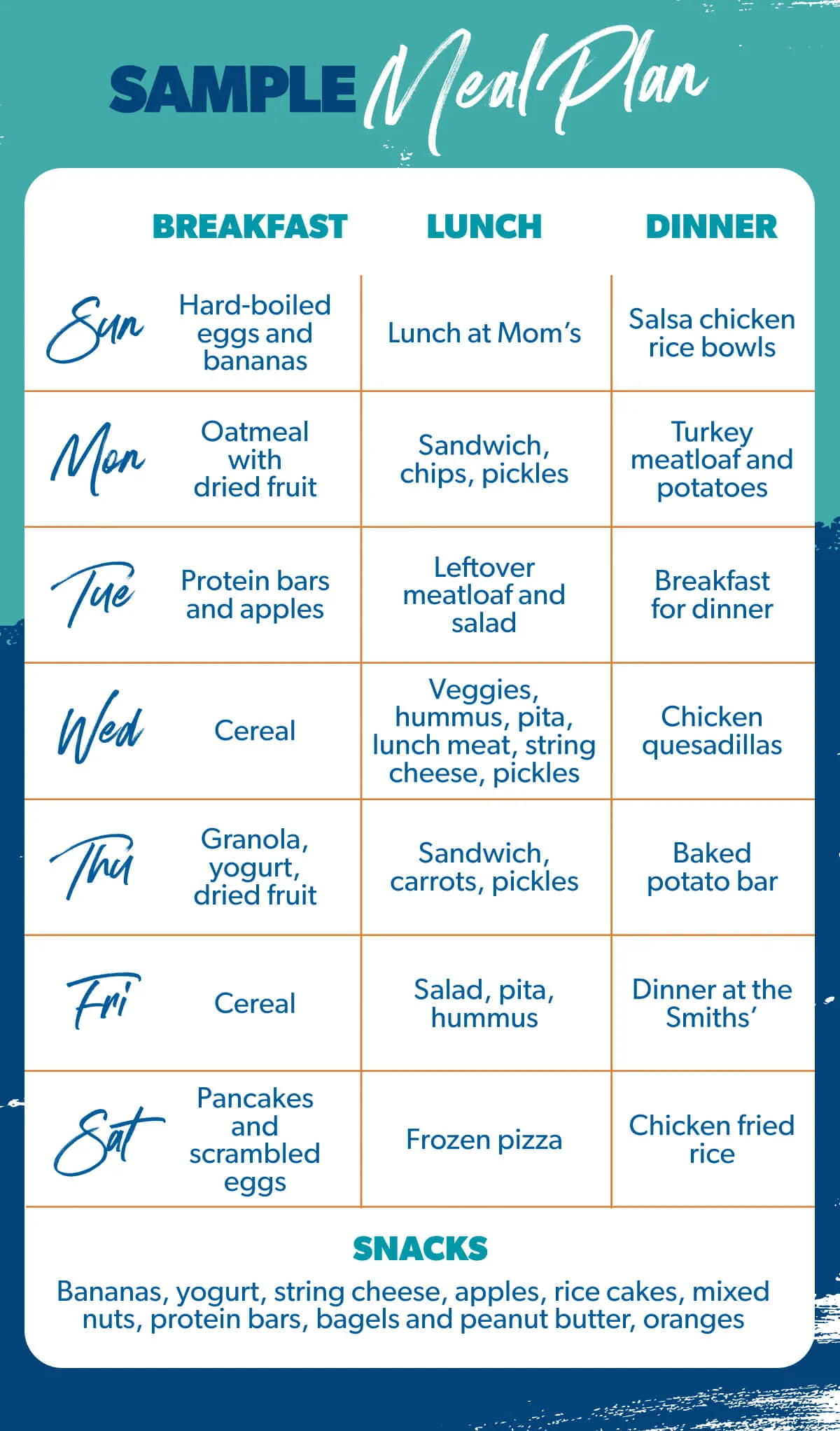
For busy families, the daily task of deciding what to cook can quickly become overwhelming. Meal planning isn’t just about organizing meals; it’s a powerful strategy that streamlines shopping and cooking, cutting down unnecessary expenses and wasted food. By planning ahead, you reduce last-minute trips to the store, avoid ordering takeout, and make the most of every ingredient you buy. This careful preparation allows families to save both time and money, bringing relief to hectic schedules and tight budgets alike.
Challenges Busy Families Face with Meal Preparation
Finding the balance between nutrition, convenience, and budget is a tough challenge for many families. Parents often juggle work, school runs, extracurricular activities, and household chores, leaving little time for thoughtful meal preparation. Additionally, unpredictable schedules can disrupt even the best-laid plans, making it tempting to opt for pricey, less nutritious fast food. Recognizing these hurdles is the first step towards creating a practical and flexible meal plan that suits your family’s lifestyle.
Essential Tools and Resources for Effective Planning
Apps and Websites to Simplify Meal Organization
Technology can be a great ally in organizing your weekly meals. There are many apps designed to streamline the entire process — from creating shopping lists to suggesting recipes based on what’s already in your pantry. Some platforms even allow you to input your budget or dietary preferences, ensuring you stay on track both financially and health-wise. These digital tools take the guesswork out of meal planning and make it easier to stick to your goals.
Kitchen Staples to Keep on Hand for Quick Meals
Having a well-stocked pantry significantly eases the pressure of last-minute meal decisions. Essentials like canned beans, rice, pasta, frozen vegetables, and basic spices offer a versatile base for many dishes. When fresh ingredients are added to these staples, it becomes simpler to whip up nutritious meals quickly. Keeping these basics available lets families avoid unnecessary trips to the store and make the most of sales and bulk purchases.
Creating a Smart Meal Plan on a Budget
Setting a Realistic Weekly Food Budget
The cornerstone of budget-friendly meal planning is establishing a spending limit that fits your family’s finances. Take a look at past grocery expenses to get a sense of what you typically spend. From there, set a weekly budget that’s challenging but achievable, allowing room for necessary treats or special occasions. Sticking to this budget requires discipline but keeps your food spending manageable, preventing unexpected financial strain.
Incorporating Affordable, Nutritious Ingredients
Healthy eating doesn’t need to be expensive. Bulk grains, seasonal produce, and plant-based proteins like lentils and beans are cost-effective choices packed with nutrients. Shopping seasonally not only reduces costs but also means you’re enjoying fruits and vegetables at their freshest. Complementing these with affordable cuts of meat or eggs ensures your family gets balanced meals without breaking the bank.
Batch Cooking and Freezing Tips for Busy Schedules
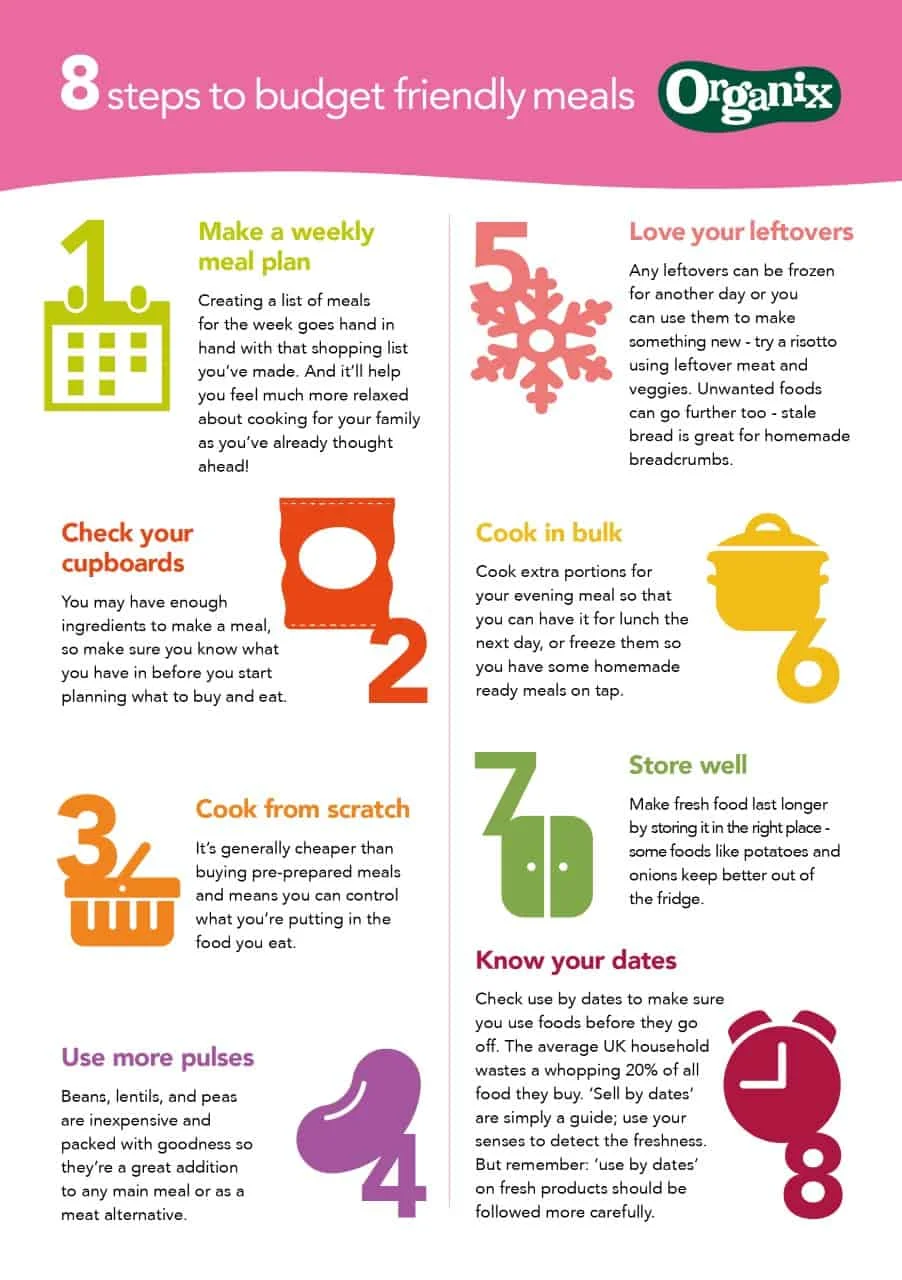
Preparing meals in larger quantities and freezing portions can be a game changer for busy households. It saves precious time during hectic weekdays and decreases reliance on costly convenience foods. When batching meals, choose recipes that freeze well, such as soups, casseroles, or stews. Label your containers clearly, so you know what you have on hand and reduce food waste. This method allows you to enjoy homemade meals even on your busiest days.
Strategies to Maximize Grocery Shopping Savings
Planning Grocery Trips Around Sales and Coupons
One of the simplest ways to save money at the grocery store is to plan shopping trips around weekly sales and coupons. Checking store flyers before heading out helps you focus on purchasing items that are discounted. Many stores offer apps or loyalty programs with additional deals, making it easier to accumulate savings. With some pre-planning, you can stock up on essentials without overspending.
Buying in Bulk vs. Small Quantities: Pros and Cons
Bulk buying is often touted as a money saver, but it’s important to consider your family’s consumption habits. Bulk purchases can lead to significant discounts on items you use regularly, like rice or frozen vegetables, but they risk spoilage if not consumed in time. Smaller quantities reduce waste but might cost more per unit. Striking a balance means buying in bulk for staples with a long shelf life while purchasing perishables in smaller amounts to maintain freshness.
How to Avoid Impulse Buys at the Store
Impulse purchases can quickly blow your budget and fill your pantry with items you don’t need. One way to avoid this pitfall is to shop with a clear list and stick strictly to it. Avoid shopping when hungry, as it makes tempting treats harder to resist. Some families find it helpful to shop alone, minimizing distractions and the influence of kids’ requests. Staying mindful during shopping trips protects both your wallet and your meal plan.
Quick and Easy Budget-Friendly Recipes for Families
One-Pot Meals for Minimal Cleanup
One-pot meals are a favorite for busy families because they combine convenience with nutrition and help keep kitchen mess to a minimum. Dishes like chili, pasta primavera, or vegetable stir-fries can be prepared quickly with minimal ingredients. These meals often yield leftovers, stretching your efforts further and saving time on both cooking and cleaning.
Vegetarian and Meat-Based Options That Stretch Ingredients
Including both vegetarian and meat-based meals in your plan not only adds variety but also helps manage your grocery budget. Vegetarian dishes made with beans, lentils, or hearty vegetables are inexpensive and filling. When using meat, opt for recipes that mix smaller amounts of protein with bulkier sides like rice or potatoes. This approach maximizes the use of costly ingredients and keeps meals satisfying and nutritious.
Maintaining Flexibility and Avoiding Waste
Using Leftovers Creatively
Leftovers are often underrated treasures in budget-friendly meal planning. With a little creativity, yesterday’s dinner can transform into today’s lunch or even a whole new meal. Think of turning roasted vegetables into soups or combining leftover chicken with fresh salads. Not only does this reduce food waste, but it also frees up time and money, making your plan more sustainable overall.
Adjusting the Plan Based on Family Preferences and Schedules
Even the best meal plan can become stressful if it doesn’t adapt to your family’s changing needs. Life is unpredictable—jobs, school activities, or sudden cravings can throw off your schedule. Allow flexibility by having backup meals or quick options on hand. Regularly seeking feedback from family members ensures everyone’s preferences are considered, keeping meal times enjoyable rather than a chore.