


Understanding the Impact of Noise on Productivity
The Science Behind Noise and Concentration
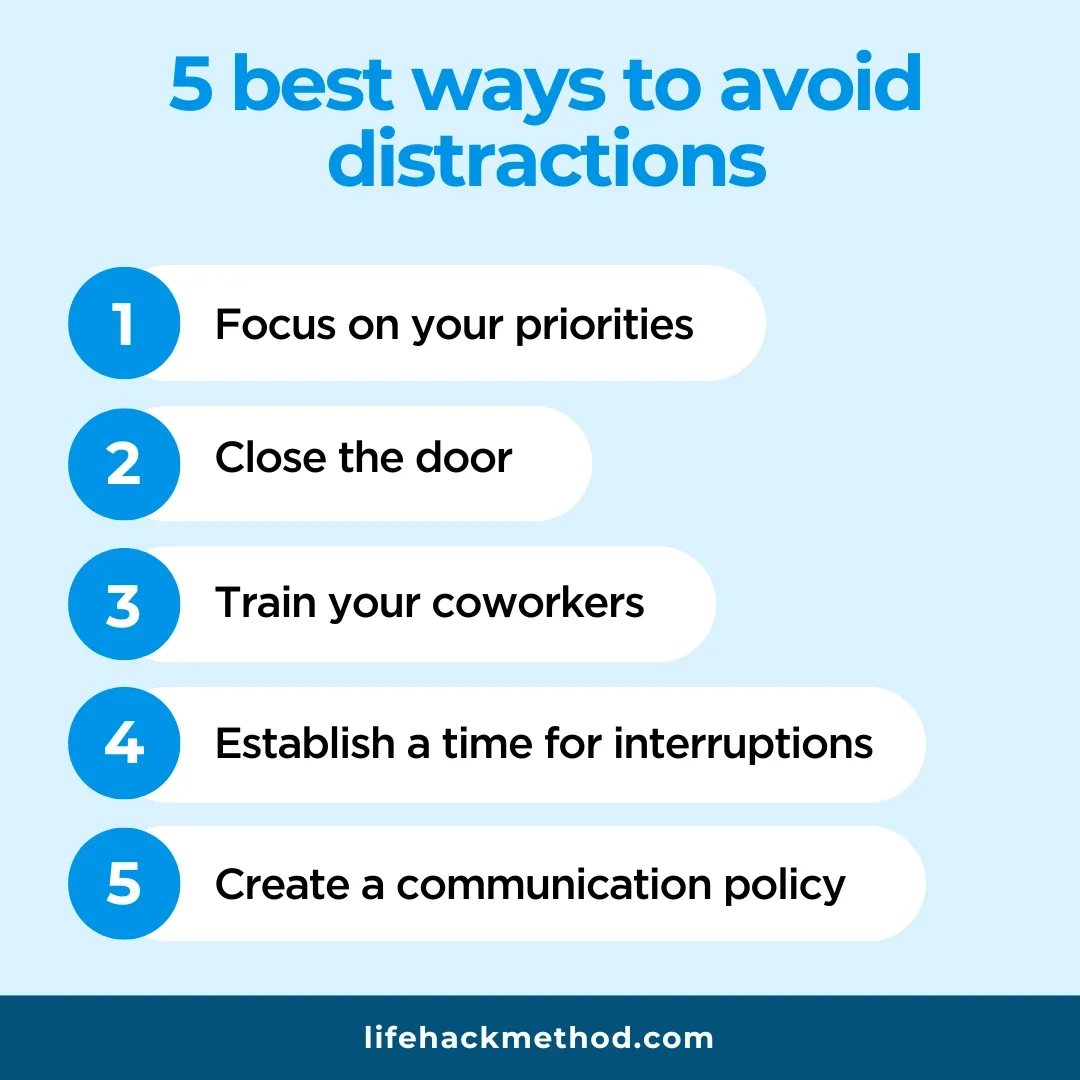
Loud or unpredictable noise can severely disrupt our brain’s ability to focus. Scientific studies show that ambient noise triggers the brain’s fight-or-flight response, releasing stress hormones that impair working memory and attention. When noise levels spike, the prefrontal cortex—the region responsible for decision-making and concentration—has to work harder, leading to faster mental fatigue. Imagine trying to write a detailed report while construction drills are hammering nearby; your brain struggles to filter out irrelevant sounds, resulting in frequent attention lapses.
Common Noisy Environments and Their Challenges
Noisy settings are common in many real-life scenarios. Open-plan offices, bustling cafes, urban apartments, and even public transportation can present ongoing auditory distractions. For example, a customer service representative in a call center often contends with overlapping conversations, phone rings, and background chatter. Similarly, parents working from home may navigate household noise like children playing or televisions blaring. The challenge lies not only in the volume of noise but also in its unpredictability, which prevents the brain from settling into a steady focus rhythm.
Practical Techniques to Reduce Distractions in Loud Settings
Physical Barriers and Workspace Design
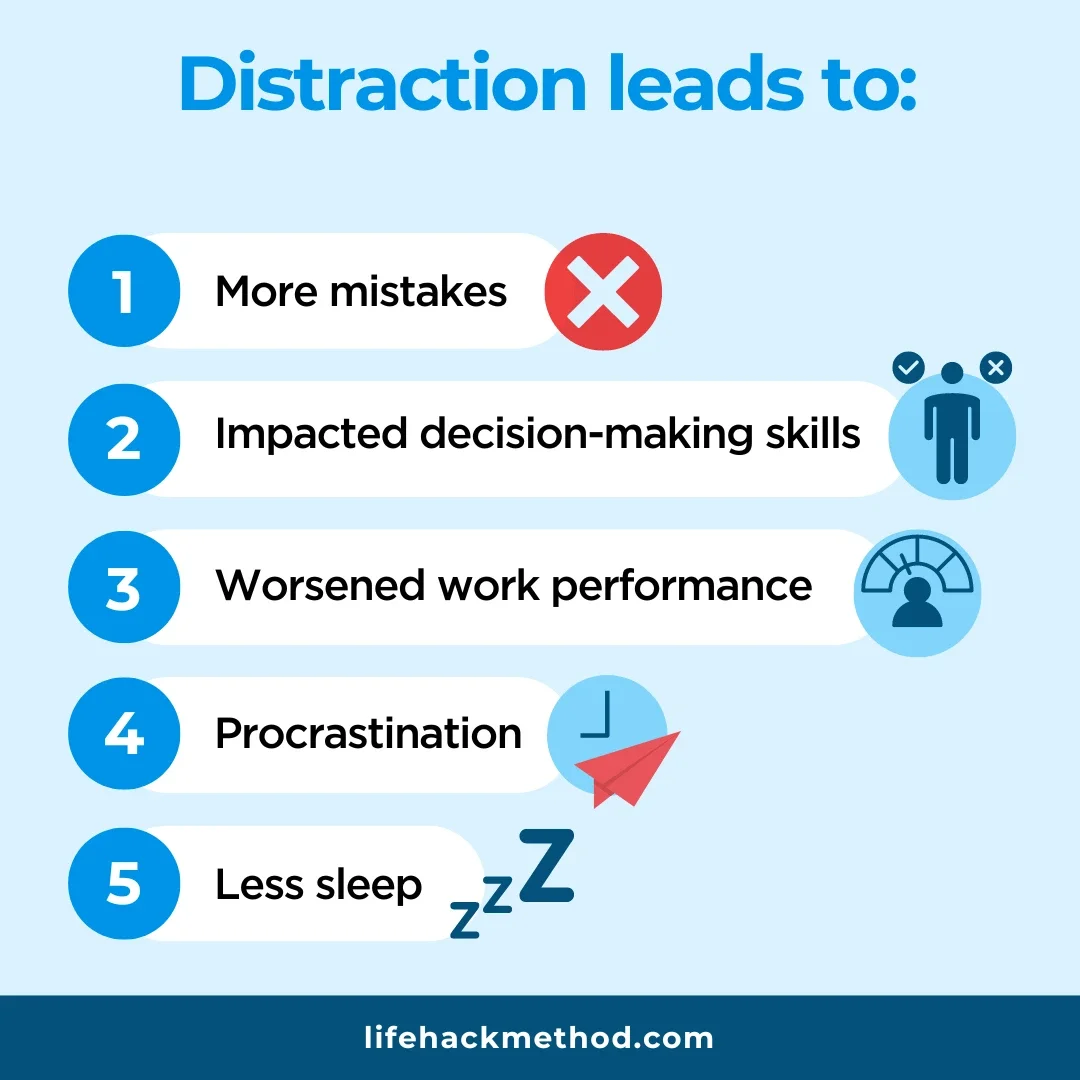
One of the earliest steps to combat noise is restructuring your physical environment. Using partitions or soundproof panels can significantly dampen external sounds. As an example, some open offices now use cubicle dividers with acoustic foam that absorb noise. Even placing bookshelves or plants strategically around your workspace creates natural sound buffers. If working from home, positioning your desk away from high-traffic areas or facing a wall rather than an open room can minimize visual and auditory distractions, helping you maintain concentration.
Use of Noise-Canceling Devices and Tools
Investing in quality noise-canceling headphones can be transformative. These devices generate sound waves that neutralize ambient noise, allowing users to immerse themselves fully in their tasks. A graphic designer who spends hours tweaking details in a noisy office found much higher productivity after switching to noise-canceling headphones combined with instrumental music. Even earplugs can be effective in less intense noise environments, providing an affordable option for those on a budget.
Implementing Sound Masking Solutions
Sound masking involves introducing background sounds—like white noise or soft ambient music—to cover up distracting noises. This approach is particularly useful in workplaces where silence is impossible but focused work is critical. For instance, a software company installed sound-masking speakers throughout their open space to neutralize erratic office noises, resulting in increased employee concentration and fewer reported distractions. Devices and apps designed for sound masking are widely accessible and customizable, letting users find their ideal background soundscape.
Behavioral Strategies to Maintain Focus Amid Noise
Time Management and Scheduling Focused Work
Beyond controlling the environment, timing your work strategically can boost productivity. Many have found scheduling demanding tasks during quieter parts of the day essential. For example, a freelance writer shifted their creative sessions to early mornings before the household woke up, reducing interruptions. If your workplace has predictable noise peaks, plan collaborative or less concentration-intensive activities accordingly, saving deep focus periods for when the noise subsides. Time-blocking techniques reinforce these habits by creating firm boundaries around focused work.
Mindfulness and Mental Conditioning Practices
Developing mental resilience to noise distractions can be equally powerful. Mindfulness exercises teach the brain to acknowledge distractions without reacting to them, gradually improving concentration amid chaos. A sales manager practiced daily meditation and breathing techniques to build this tolerance, eventually feeling less overwhelmed by office noise. Over time, these practices train the mind to return to the task more quickly after involuntary attention shifts, reducing productivity loss.
Leveraging Technology for Enhanced Concentration
Productivity Apps with Noise Management Features
Modern technology offers tools designed specifically to help manage noisy environments. Apps like “Noisli” and “Focus@Will” provide customizable sound environments and timers to encourage sustained focus sessions. Other task management apps incorporate “do not disturb” modes that silence notifications and block distracting apps during critical work periods. These digital aids not only aid concentration but also introduce structure and reminders, helping users stay on track despite external noise disturbances.
Audio Tools: White Noise, Nature Sounds, and Music Playlists
Listening to certain types of audio can mask disruptive noise and elevate mood, enhancing overall focus. Many people turn to white noise machines or playlists featuring rain, ocean waves, or forest sounds. For example, a marketing professional reported that playing gentle rain and thunderstorm sounds helped drown out street noise and maintain a calm, productive work state. Instrumental or classical music with a steady rhythm is another popular choice, as lyrics can sometimes compete with verbal tasks.
Creating a Personalized Noise-Resistant Workflow
Identifying Your Peak Focus Times
Everyone’s cognitive rhythms differ—some thrive in the morning, others late at night. Recognizing when you naturally concentrate best is crucial for optimizing noisy environments. By tracking your productivity patterns over several weeks, you might discover that you focus more sharply mid-afternoon despite ambient noise. Scheduling high-priority work during these windows, even if noisy, can lead to better output than working silently at off-peak times.
Developing Customized Noise-Adapted Routines
Building habits tailored to your specific environment and tolerance to noise enhances productivity sustainably. For instance, a college student living in a busy dorm created a routine of studying with noise-canceling headphones during peak hours and switching to library visits when quieter focus was needed. Introducing brief breaks to step outside or do calming stretches also refreshes attention after periods of noisy work. Adapting your workflow based on real-world noise exposure and personal responses ensures long-term success against distraction.