


Introduction to Time-Blocking for Household Chores
What is Time-Blocking?
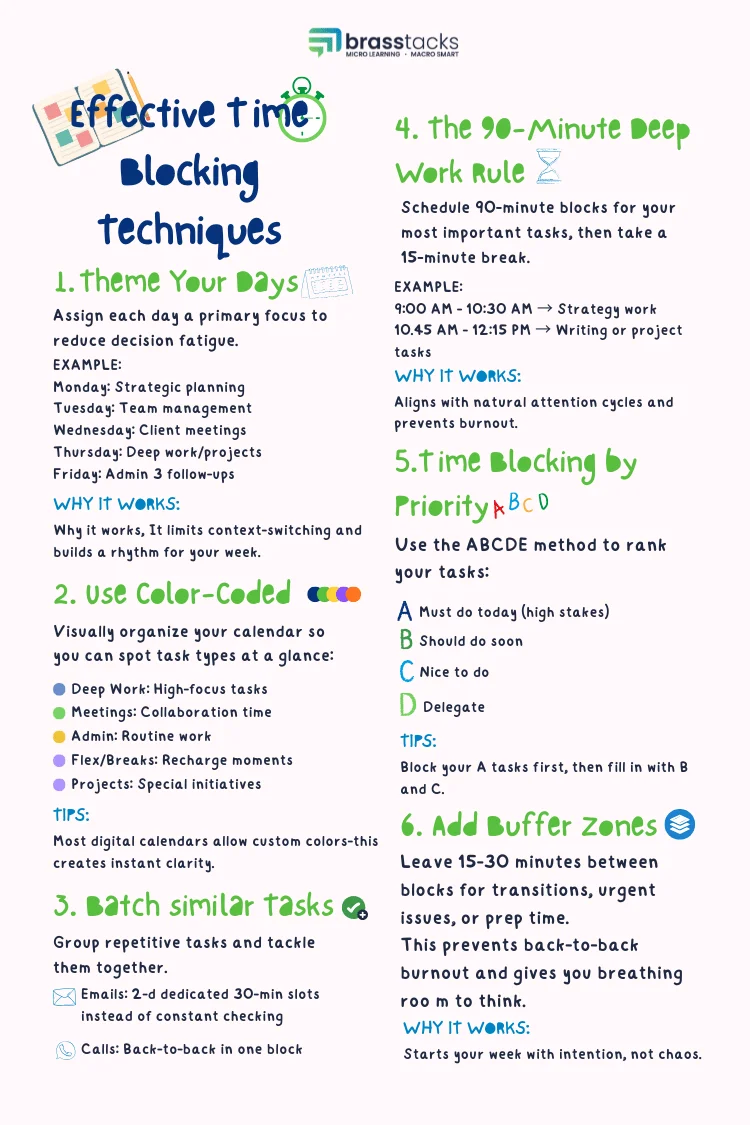
Time-blocking is a productivity technique that involves dividing your day into distinct segments dedicated to specific tasks or groups of tasks. Instead of working from a general to-do list, you allocate fixed periods to complete particular activities, creating structure and focus. When applied to household chores, time-blocking transforms routine cleaning, organizing, and maintenance tasks into manageable, scheduled events, reducing overwhelm and increasing efficiency.
Benefits of Using Time-Blocking in Home Management
Applying time-blocking to manage household chores offers several tangible advantages. First, it promotes intentionality by ensuring chores are given dedicated attention rather than being tackled haphazardly. This reduces the mental clutter of wondering what to do next and helps prevent procrastination. Additionally, time-blocking enhances productivity by creating a clear routine, enabling smoother transitions between tasks and minimizing wasted time. Lastly, it allows for better work-life balance, as you can reserve blocks for household duties without letting them spill over into personal or family time.
Step-by-Step Guide to Implementing Time-Blocking
Assessing Your Weekly Chore List
Begin by taking a thorough inventory of all household chores you need to manage during the week. This includes daily tasks such as dishwashing and laundry, as well as less frequent responsibilities like deep cleaning or yard work. Evaluating this list helps clarify the scope of work and highlights priority areas. It’s important to consider not only the chores themselves but their typical duration and any dependencies, such as drying time for laundry or waiting for cleaning products to work.
Setting Realistic Time Blocks for Each Task
Once you understand your chore list, the next step is to allocate specific time blocks for each task. Being realistic about how long a chore takes is crucial to prevent overloading your schedule or feeling discouraged. Start by estimating a comfortable time frame based on previous experience. If uncertain, observe yourself completing a task once and time it. Remember to factor in preparation and cleanup time. Assign these blocks strategically throughout your day or week to balance energy levels and avoid burnout.
Using Tools and Apps to Organize Your Schedule
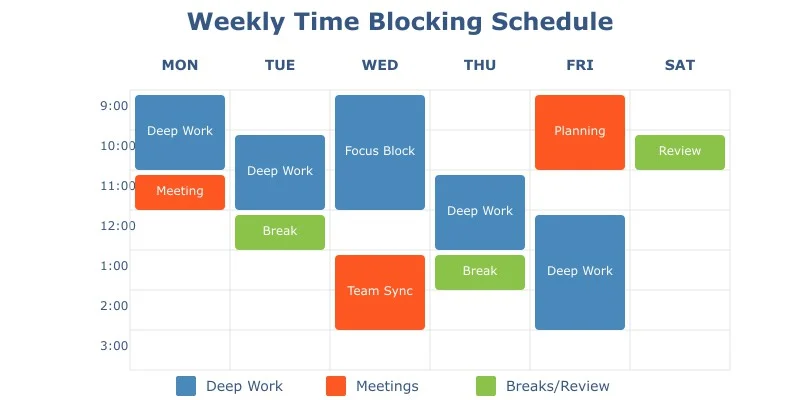
To maintain clarity and commitment, it helps to use digital or physical tools for scheduling your time blocks. Calendar apps like Google Calendar or specialized task management software enable easy visualization and reminders. You can create recurring blocks for routine chores and adjust them as needed. Physical planners or bullet journals also work well for those who prefer a tactile approach. Whichever method you choose, consistency in reviewing and updating your schedule will sustain the effectiveness of your time-blocking system.
Techniques to Maximize Efficiency During Time Blocks
Grouping Similar Tasks for Flow
A powerful strategy to enhance efficiency is to group similar chores together within a single time block. For example, combining all kitchen cleaning tasks—wiping counters, washing dishes, and taking out trash—helps you maintain focus on one area and reduces the time spent switching contexts. This flow state allows you to move seamlessly through related activities without the mental reset that comes from disparate tasks, increasing speed and satisfaction.
Incorporating Breaks and Flexibility
While structure is key, it is equally important to build breaks and some flexibility into your schedule. Continuous chore execution without pause can lead to fatigue and reduce the overall quality of work. Short breaks give your mind and body a chance to recharge, making subsequent tasks feel less burdensome. Flexibility also accommodates the unpredictability of home life. Planning buffer times or having backup tasks ready can preserve your schedule’s integrity if something takes longer or interruptions arise.
Handling Unexpected Interruptions
Household chores rarely proceed without interruptions, especially if you live with others or have young children. When unexpected events disrupt your time block, it’s vital to respond calmly and adapt. One method is to quickly reassess your priorities: determine if the interrupted task can be paused and resumed later or if it needs immediate completion. Adjust your remaining blocks accordingly, either by shortening less urgent chores or rescheduling them to maintain balance across the week.
Time-Blocking for Different Household Members
Assigning Blocks Based on Individual Strengths
In households with multiple members, dividing chores through time-blocking can leverage individual strengths and preferences. Recognizing who excels at or enjoys certain tasks enhances efficiency and morale. One person might be adept at cooking and dishwashing, while another prefers organizing or outdoor maintenance. Tailoring time blocks to these strengths fosters ownership and reduces conflict, creating a more harmonious home environment.
Coordinating Blocks for Family Collaboration
Collaboration through coordinated time blocks can transform household chore management into a shared effort. Scheduling overlapping or consecutive blocks for chores that require teamwork, like moving heavy furniture or deep cleaning a common area, ensures everyone is available when needed. Open communication about these blocks facilitates smoother transitions and prevents double-booking time. This coordination not only speeds up chores but also turns them into bonding opportunities for family members.
Common Challenges and How to Overcome Them
Dealing with Procrastination
Procrastination is a common hurdle when starting a time-blocking system for chores. Overcoming it requires both mindset shifts and practical strategies. Breaking down large or daunting chores into smaller, more approachable segments within your time blocks can make starting easier. Additionally, setting specific start times and using alarms or reminders can help create accountability. Rewarding yourself after completing blocks encourages positive reinforcement, gradually building a habit of staying on schedule.
Adjusting Time Blocks Over Time
No schedule survives unchanged, and your time blocks will need adjustment as you learn what works best for you and your household. Regularly review your schedule to identify tasks that consistently take more or less time than allocated. Be open to shifting blocks to different times of day when your energy peaks, or combining and splitting chores in new ways. Flexibility and willingness to tweak your system keep it responsive to evolving needs and help sustain long-term success.
Conclusion: Making Time-Blocking a Habit for Long-Term Success
Incorporating time-blocking into your household chore routine can dramatically improve both efficiency and satisfaction. By carefully assessing tasks, realistically scheduling, and using supportive tools, you create an organized framework that reduces stress and wasted time. Including strategies to handle interruptions and collaborating effectively with household members further enhances this approach. While challenges such as procrastination and the need for adjustment are natural, embracing time-blocking as a flexible habit paves the way for a smoothly run home and more free time for what truly matters.