


Why Meal Prep Matters for Stress-Free Workweek Lunches
The Impact of Lunch Decisions on Daily Productivity
Imagine Sarah, a busy marketing manager, who often found herself scrambling for lunch at noon. Sometimes it meant grabbing a quick snack that left her hungry by mid-afternoon, or ordering takeout that stretched her budget and interrupted her workflow. These daily lunchtime decisions, though seemingly small, had a surprisingly big impact on her productivity and stress levels. When lunch is unpredictable, the afternoon slump hits harder, focus wanes, and the workday feels longer.
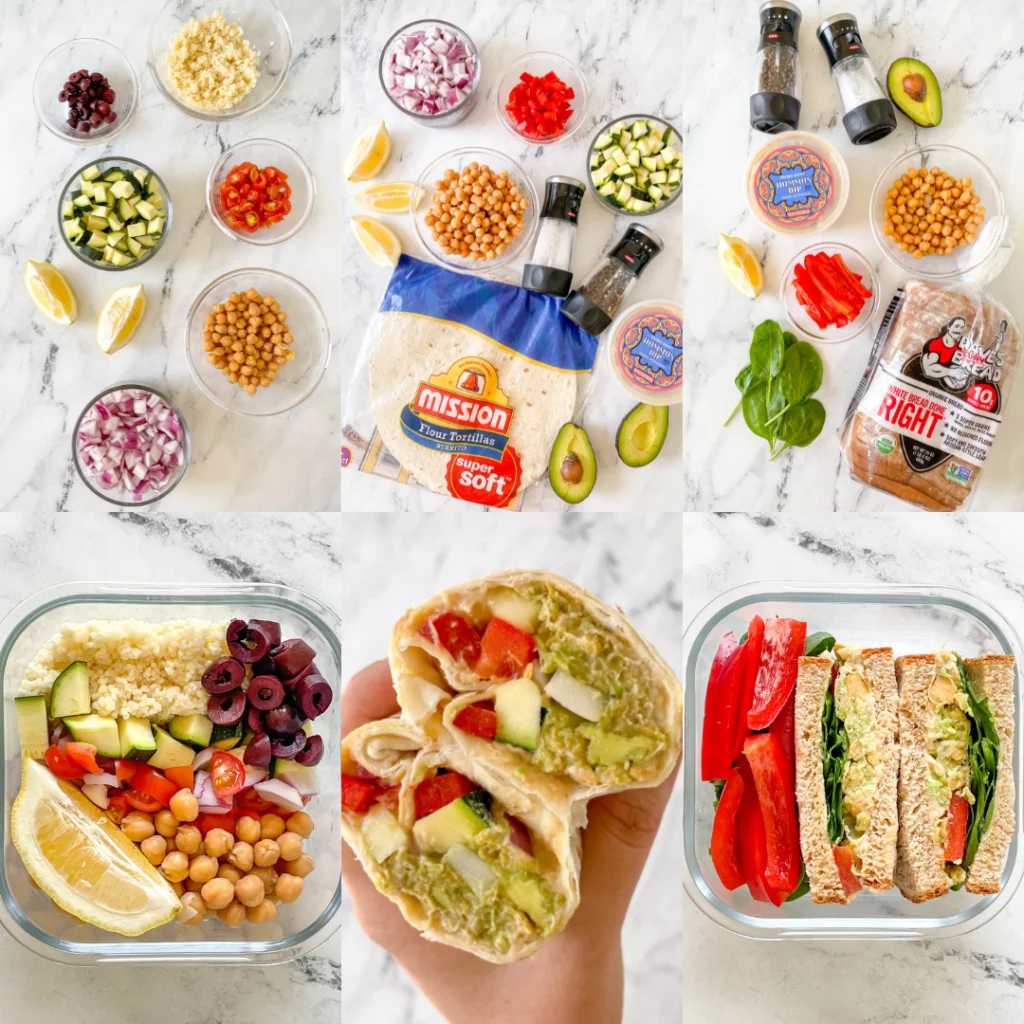
Meal prep changes that dynamic. Having a ready-to-eat lunch waiting in the fridge means less time spent stressing about what to eat and more energy to pour into your tasks. Consistent, nutritious meals keep the mind sharp and help maintain steady energy levels throughout a busy day, which is why planning ahead can be a game changer for anyone juggling a full schedule.
How Meal Prep Simplifies Your Week
Consider Tom, who recently started meal prepping on Sundays. Before, he spent precious lunch breaks deciding between fast food or skipping meals altogether. Now, his weekday lunches are ready to go in airtight containers, whether he’s at his desk or rushing between meetings. This small upfront effort has unlocked more peace of mind and freed up time during his hectic days.
Meal prepping removes the daily question of “What’s for lunch?” from your routine, streamlining your workweek. It empowers you to make healthier choices without the pressure of daily cooking. You’ll find your grocery trips become more efficient, waste is reduced, and your wallet benefits as well.
Getting Started: Essential Tools and Ingredients for Beginner Meal Preppers
Must-Have Kitchen Gadgets
For beginners, the right tools can transform meal prepping from a daunting chore into an enjoyable weekly ritual. A sturdy set of reusable containers—preferably BPA-free with compartments—allows you to portion meals neatly and keeps ingredients fresh. Investing in a good quality chef’s knife can speed up chopping and make it safer. Additionally, a slow cooker or instant pot is a fantastic time-saver that can prepare a meal with minimal hands-on time.
Another often overlooked gadget is a set of measuring cups and spoons, which helps maintain consistency in your recipes. Sarah found that using a food scale simplified portion control and made her meals more balanced. Starting simple and gradually adding tools as you get comfortable is a practical way to build your prep arsenal.
Staple Ingredients to Keep on Hand
Beginners benefit from stocking a pantry filled with versatile basics that can be mixed and matched across meals. Think brown rice, quinoa, canned beans, and whole grain pasta for reliable carbohydrates. Frozen vegetables like broccoli, spinach, and mixed bell peppers are time-efficient since they require less prep and stay fresh longer. Lean proteins such as chicken breasts, eggs, and tofu are excellent because they cook quickly and adapt to many flavors.
Don’t forget condiments and spices; having items like olive oil, garlic powder, and soy sauce elevates simple dishes and keeps lunches interesting. When Tom started with these staples, he realized that even a few ingredients could create endless combinations, making meal prep feel less repetitive.
5 Simple Meal Prep Ideas Tailored for Beginner Cooks
Overnight Oats for On-the-Go Energy
Emma, a nurse working early shifts, swears by overnight oats as her go-to breakfast and lunch option on busy days. Mixing oats with almond milk, chia seeds, and fresh fruit the night before creates a nutrient-packed meal that requires zero cooking in the morning. This approach is perfect for beginners—easy, customizable, and portable. You can change flavors weekly by adding different fruits or nuts, ensuring you never get bored.
Mason Jar Salads: Layering for Freshness
Layering salads in mason jars keeps ingredients crisp and prevents sogginess. Start with dressing at the bottom, followed by hearty veggies like cucumbers or cherry tomatoes, then proteins such as grilled chicken or chickpeas, and finish with leafy greens on top. When it’s lunchtime, just shake the jar and enjoy. This method impressed Lisa, a graphic designer, who found it not only convenient but visually appealing, encouraging her to eat healthier regularly.
Sheet Pan Protein and Veggies
One Sunday, Mike decided to roast chicken breasts and a variety of vegetables on a single sheet pan. This hands-off method let him prepare several lunches in under an hour. The veggies absorbed the natural juices of the chicken, enhancing flavor without extra effort. The leftovers stored well and reheated quickly during his workweek, proving to be a reliable and tasty meal choice.
Make-Ahead Sandwich Wraps
Hannah loves sandwiches but wanted to avoid soggy bread during the workweek. She began assembling wraps using whole wheat tortillas filled with turkey, hummus, spinach, and shredded carrots. Wrapping each tightly in foil helped retain freshness, and having these ready meant her quick lunches stayed satisfying and stress-free.
One-Pot Pasta Meals
Cooking pasta with vegetables and protein all in one pot reduces cleanup time and keeps things straightforward. Jack tried a simple recipe combining pasta, cherry tomatoes, spinach, and canned beans, seasoned with garlic and dried herbs. It was not only quick to prepare but stored well for several days, providing comforting and filling lunches.
Step-by-Step Guide to Planning Your Weekly Meal Prep
How to Choose Recipes Based on Your Schedule
Begin by reviewing your upcoming week. If you know you’ll have late meetings, opt for meals that reheat well, like casseroles or stews. For days packed with errands, choose grab-and-go options such as overnight oats or mason jar salads. By aligning recipes with your daily rhythm and workload, you reduce the risk of lunchtime frustration.
For example, Sarah blocks time on Sunday afternoons to plan her meals and writes a simple shopping list. This foresight means she shops efficiently and starts cooking without the stress of last-minute decisions.
Batch Cooking and Portioning Tips
Once you’ve selected your recipes, batch cooking can save significant time. Prepare proteins and grains in large quantities, then divide them into individual servings using your containers. Labeling each container with the meal name and date can help keep track of freshness. Avoid overfilling containers to prevent spills during transport.
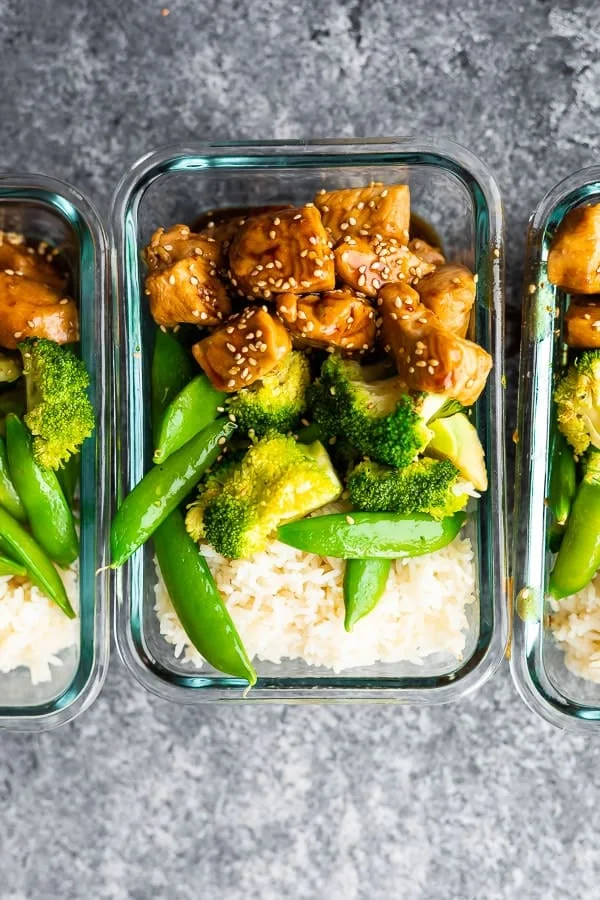
Tom learned that cooling foods completely before sealing containers prevents condensation and preserves the texture and flavor. This extra step ensures that his meals taste just as good midweek as they did fresh.
Meal Prep Mistakes Beginners Should Avoid
Overcomplicating Recipes
One common pitfall for beginners is diving into complex recipes that require numerous ingredients and techniques. Starting with simple meals that use few steps and minimal tools not only builds confidence but reduces preparation time. Emma initially attempted elaborate dishes but found she was more successful and less stressed when she stuck with straightforward recipes like one-pot meals or basic salads.
Ignoring Food Safety
Another critical issue is neglecting proper food storage. Leaving meals out too long before refrigeration or storing them in inappropriate containers can compromise freshness and safety. Lisa realized this early on when her prepped meals spoiled quickly because she hadn’t cooled them properly or used airtight containers. Following good food safety habits protects your investment in time and ingredients, preventing waste and disappointment.
Maximizing Variety: Quick Switch-Ups to Keep Lunch Exciting
Using Different Dressings and Sauces
Even simple meals can feel new with a change in flavor profile. Swapping a classic vinaigrette for a peanut sauce or trying a homemade yogurt-based dressing keeps salads and wraps from becoming dull. Hannah started experimenting with dressings and noticed she looked forward to her lunches more when flavors varied throughout the week.
Rotating Proteins and Vegetables
Mixing different proteins such as lentils, chicken, or tofu, and rotating fresh or frozen vegetables, helps maintain nutritional balance and culinary interest. Mike incorporated seasonal veggies and occasionally replaced chicken with fish, which kept his weekly menus dynamic without requiring new recipes each time.
Storing and Reheating Tips for Optimal Taste and Texture
Best Containers for Preservation
Glass containers with secure lids provide durability and prevent odors from transferring between meals. They are microwave-safe and easy to clean, making them ideal for meal preppers like Sarah. Using containers with separate compartments can keep wet ingredients like dressings apart from dry ones until it’s time to eat, preserving textures.
Reheating Methods That Maintain Flavor
To reheat meals without drying them out, using a microwave cover or a dedicated reheating lid helps trap steam and maintain moisture. For dishes like sheet pan meals, reheating in a conventional oven at low heat can restore crispness to roasted vegetables. Jack found that gently warming meals this way made a noticeable difference compared to microwaving alone.