


Understanding Dry, Brittle Hair
Causes and Common Symptoms
Dry, brittle hair is a common problem that can make hair look dull, feel rough, and break easily. The root causes often include environmental factors such as prolonged sun exposure, frequent use of heat styling tools, or harsh chemical treatments. Additionally, lack of moisture due to infrequent conditioning or natural hair texture can contribute to this issue. Symptoms typically manifest as split ends, increased tangling, frizziness, and a lack of natural shine.
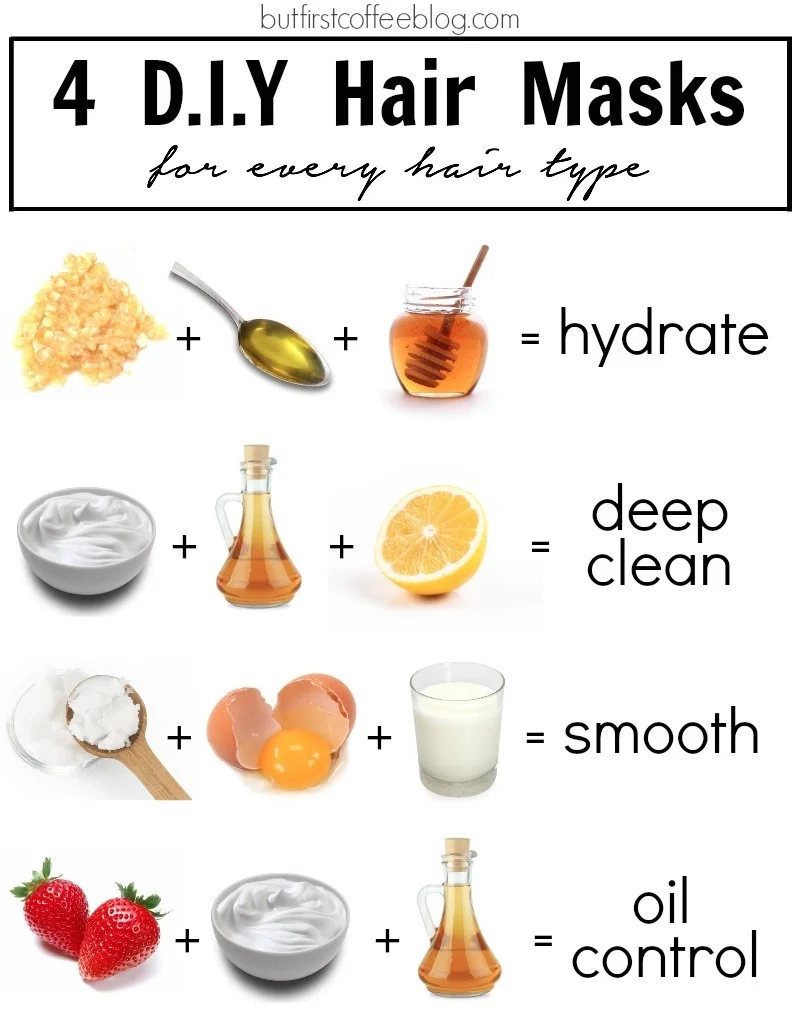
Why Homemade Hair Masks Work
Many commercial hair products contain synthetic ingredients that may not provide lasting nourishment. Homemade hair masks harness the power of natural ingredients packed with vitamins, minerals, and essential fatty acids that directly address moisture loss and damage. They often penetrate deeper into the hair shaft, replenishing and repairing hair from within. Using homemade masks also allows customization based on your unique hair needs, making it a highly effective and budget-friendly alternative.
Essential Ingredients for Nourishing Hair Masks
Natural Oils and Butters
Natural oils and butters are integral to homemade hair masks because they provide deep hydration and create a protective barrier to lock in moisture. Ingredients like coconut oil, shea butter, and castor oil are rich in fatty acids that soften and strengthen hair strands. These components help reduce breakage by improving elasticity and smoothing the hair cuticle, which is vital for maintaining healthy, resilient hair.
Fruits, Vegetables, and Other Nutrients
Fruits and vegetables contribute essential vitamins such as A, C, and E, which promote scalp health and stimulate hair growth. Ingredients like avocado offer antioxidants and healthy fats, while aloe vera soothes and hydrates the scalp, reducing dryness and irritation. Using fresh produce ensures a natural source of nutrients that support cellular repair in the hair follicles and hair shaft.
Step-by-Step Guide: Preparing Your Hair for a Mask
Pre-Cleaning Tips
Applying a hair mask on dirty or heavily styled hair can prevent the nutrients from fully absorbing. Start by gently detangling your hair to reduce breakage during the process. Then, wash your hair with a mild shampoo to remove dirt, oils, and residues that could block penetration. Avoid conditioners at this stage since they create a protective layer that might limit the mask’s effectiveness. Pat your hair dry so it stays damp, which helps the mask spread evenly and absorb deeply.
Choosing the Right Mask for Your Hair Type
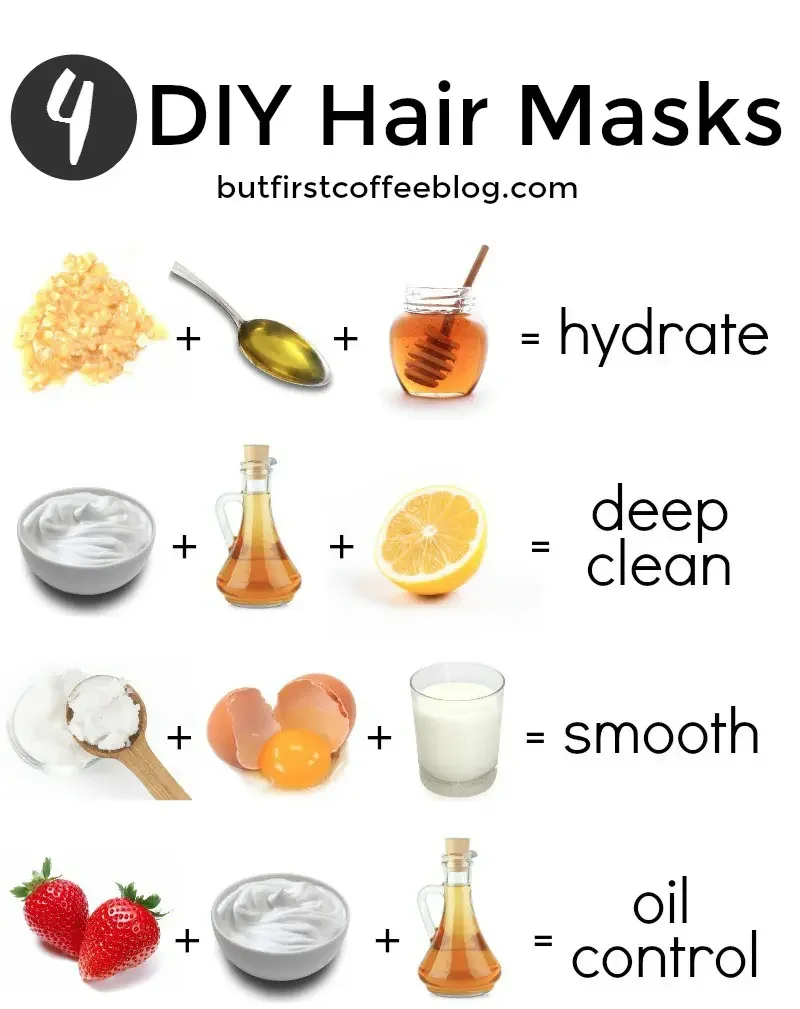
Selecting a mask tailored to your hair’s specific needs is crucial. For extremely dry hair, opt for hydrating combinations rich in oils and butters. If brittleness is your main concern, masks with strengthening ingredients like eggs or aloe vera will help rebuild protein structure. Fine hair may benefit from lighter formulations, while thicker hair types can handle richer, heavier masks. Understanding your hair texture and condition will guide you to the most effective recipe and prevent weighing your hair down or causing buildup.
5 DIY Hair Mask Recipes for Dry, Brittle Hair
Avocado and Honey Deep Conditioning Mask
Combining avocado’s nourishing fats with honey’s humectant properties creates a mask that deeply conditions and locks in moisture. Avocado penetrates the hair shaft to replenish lipids, while honey attracts water to keep hair hydrated. This blend helps restore softness and shine to dry strands.
Coconut Oil and Yogurt Repair Mask
Coconut oil repairs damage by sealing the cuticle, preventing moisture loss, while yogurt contains proteins that strengthen and smooth hair. Together, they promote elasticity and reduce brittleness, resulting in healthier, more resilient hair.
Banana and Olive Oil Moisturizing Mask
Bananas are packed with vitamins and minerals that soften hair and improve manageability. Olive oil adds essential fatty acids that nourish the scalp and hair. This combination is ideal for adding slip, moisture, and nourishment to dry, tangled hair.
Egg and Aloe Vera Strengthening Mask
Eggs provide a concentrated source of protein crucial for rebuilding the hair’s internal structure. Aloe vera complements this by soothing the scalp and enhancing moisture retention. This duo strengthens fragile hair and helps reduce breakage over time.
Shea Butter and Castor Oil Hydrating Mask
Shea butter’s intense moisturizing qualities combined with castor oil’s ability to stimulate scalp circulation create an effective mask for hair requiring deep hydration and growth support. This rich mixture enhances softness while improving overall hair health.
How to Apply and Rinse Homemade Hair Masks
Application Techniques for Maximum Absorption
For best results, section your hair and apply the mask evenly from roots to ends. Use your fingertips to gently massage the mask into the scalp to encourage blood flow and absorption. Cover your hair with a shower cap or warm towel to create heat, which helps open the cuticle and allows the nutrients to penetrate more deeply.
Timing and Rinsing Methods
Leaving the mask on for 20 to 30 minutes usually allows enough time for the ingredients to work effectively without overloading the hair. Rinse thoroughly with lukewarm water, which is gentle and helps seal the cuticle. Avoid hot water as it can strip away moisture, and ensure no residue remains to prevent buildup or greasiness.
Post-Mask Hair Care Routine
Drying and Styling Tips
After rinsing, gently squeeze out excess water with a microfiber towel or an old t-shirt to reduce frizz and damage. Air drying is preferable to minimize heat exposure, but if you must use a blow dryer, apply a heat protectant first and use the lowest heat setting. When styling, avoid heavy products that can weigh hair down and counteract the benefits of your mask treatment.
Frequency of Treatment for Best Results
Consistency is key to seeing improvements. Applying a homemade hair mask once a week generally balances nourishment without overwhelming your hair. If your hair is severely dry or damaged, bi-weekly treatments can accelerate recovery. Adjust frequency based on how your hair responds, paying attention to changes in texture and elasticity.