


Introduction to Meal Prep for Beginners
Starting a meal prep routine can feel overwhelming for beginners. The process involves planning, cooking, and storing meals ahead of time, which might sound complicated if you’re used to spontaneous cooking. However, mastering meal prep is a powerful way to simplify your life, reduce daily stress, and improve your overall health. Understanding the fundamentals and taking a step-by-step approach helps to eliminate confusion and build confidence in the kitchen.
Why Meal Prep Matters: Benefits Beyond Convenience
Time-Saving Advantages
One of the biggest hurdles people face when cooking daily is finding enough time. Meal prep solves this issue by consolidating kitchen activities into a single session. Instead of scrambling each day, you cook in bulk and enjoy ready-to-eat meals during the busy week. This routine drastically cuts down cooking and cleaning time later, freeing up more hours for relaxation or other priorities.
Boosting Nutrition and Health
Another critical benefit is the positive impact on nutrition. When meals are planned and prepped, it’s easier to incorporate balanced portions of proteins, vegetables, and grains. This intentional approach reduces reliance on unhealthy takeout or impulsive snacking, helping you maintain better dietary habits. Meal prep encourages mindful eating, which supports weight management and overall wellness.
Essential Tools and Supplies for Getting Started
Choosing the Right Containers
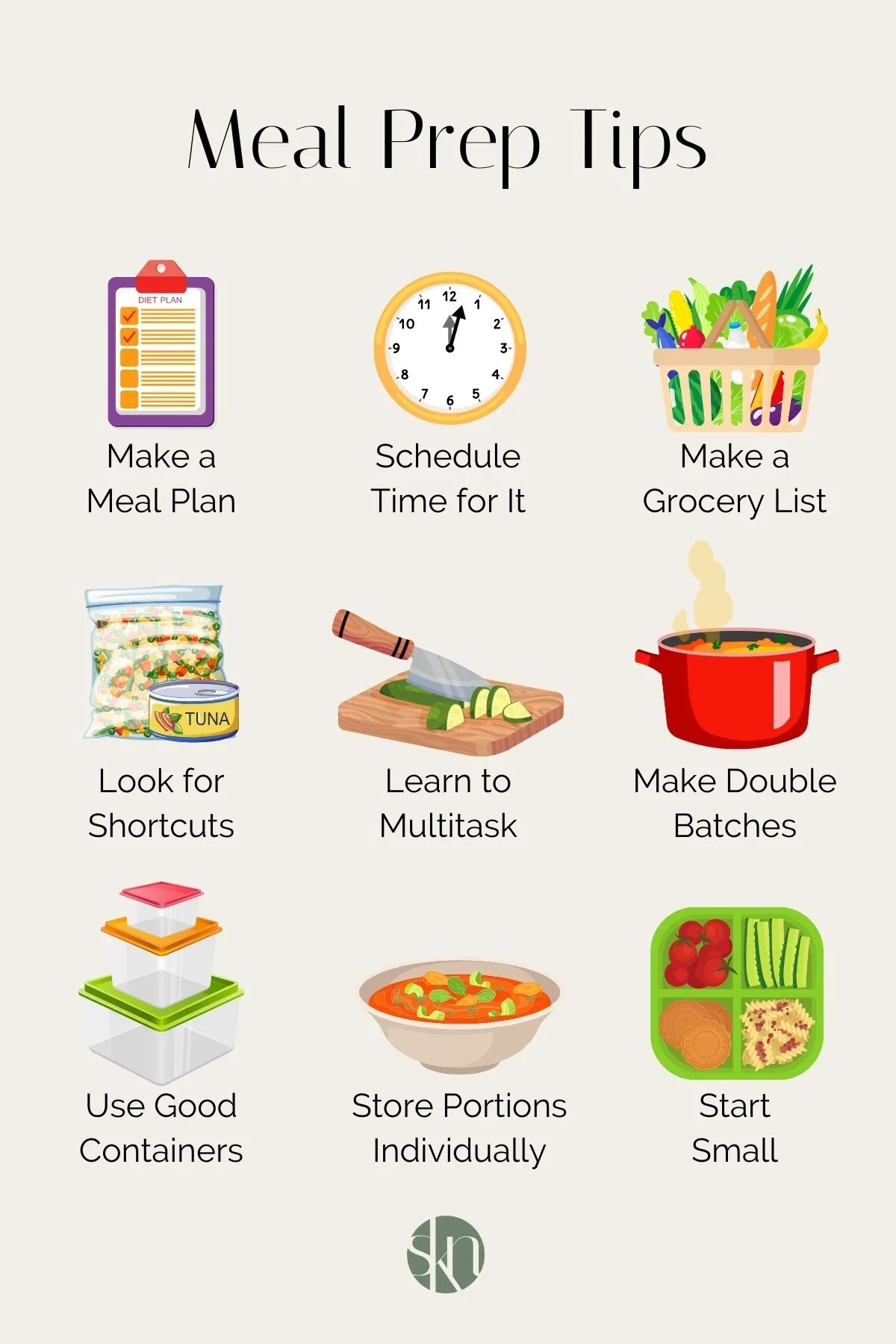
A common source of frustration for beginners is improper storage. The key to successful meal prep is using containers that maintain food freshness and are easy to handle. Opt for BPA-free plastic or glass containers with airtight lids. It’s helpful to have various sizes to accommodate different meal portions and types, such as soups, salads, or snacks.
Must-Have Kitchen Gadgets
While meal prep can be accomplished with basic tools, a few gadgets make the process faster and more efficient. Items like a slow cooker, a sharp chef’s knife, and a set of mixing bowls are invaluable. Consider investing in a good cutting board and measuring cups to ensure ingredient accuracy and save time during preparation.
Step 1: Planning Your Weekly Menu
Balancing Macros and Food Groups
Without a solid plan, meal prep can become haphazard and unbalanced. A well-structured menu ensures you include the right proportions of carbohydrates, proteins, and fats. Incorporating a variety of vegetables and whole grains is essential for micronutrient diversity. Taking time to map out meals in advance helps avoid repetitive dishes and nutritional gaps.
Creating a Shopping List that Works
Once the menu is established, the next challenge is an efficient shopping list. Writing down ingredients with precision helps avoid forgotten items or unnecessary purchases. Group the list by grocery store sections to streamline the shopping trip. This forethought reduces impulse buys and cuts down trips back to the store, saving both time and money.
Step 2: Smart Grocery Shopping Tips
Seasonal and Budget-Friendly Choices
Understanding what’s in season affects both taste and cost. Fresh, seasonal produce offers better flavor and nutritional value compared to out-of-season imports. Shopping with seasonal availability in mind not only supports local farmers but also helps you stay within budget. Planning meals around sales and discounts further maximizes your grocery budget.
Online vs. In-Store Shopping
Each shopping method has advantages and drawbacks. In-store shopping allows you to handpick fresh ingredients and adapt your choices as you go. However, it requires more time and effort. Online grocery shopping offers convenience and can reduce impulse buying by sticking to your list strictly. Beginners can experiment with a combination of both to find what suits their lifestyle best.
Step 3: Batch Cooking and Portioning Techniques
Cooking Multiple Dishes at Once
Batch cooking is a core skill in meal prep, but many beginners struggle with timing and workflow. Cooking several dishes simultaneously requires coordination, such as preheating ovens, timing stovetop use, and multitasking. Organizing your kitchen beforehand and prepping ingredients in stages prevents overwhelm and ensures efficiency.
How to Portion Meals for Convenience
Proper portioning is crucial for convenience and adherence to your dietary goals. Dividing cooked food into individual servings immediately after cooking saves time later and helps resist overeating. Using portion control containers or measuring portions by weight can support specific nutrition plans and reduce food waste.
Step 4: Storing and Reheating Your Meals Safely
Proper Food Storage Guidelines
Even the best-prepared meals can go to waste without appropriate storage. Perishable foods require prompt refrigeration or freezing to prevent spoilage. Labeling containers with dates helps track freshness and ensures you consume meals safely. Avoid overcrowding the fridge to maintain proper air circulation and temperature control.
Reheating Without Losing Flavor
Reheating is often where quality can suffer if not handled carefully. Overheating or microwaving meals without moisture can dry out food. To preserve texture and flavor, reheat gently and add small amounts of water or broth if needed. Using oven reheating or stovetop warming can produce better results than microwaving in some cases.
Creative Meal Prep Ideas for Beginners
Breakfast, Lunch, and Dinner Options
Many beginners feel stuck when starting meal prep because they associate it mostly with lunches or dinners. Breakfast options like overnight oats, egg muffins, or smoothie packs prepared in advance can simplify your mornings. Lunches such as grain bowls and salads or dinners featuring roasted proteins with vegetables offer satisfying variety. Rotating different recipes keeps the routine exciting and sustainable.
Snack Prep Made Simple
Snacks are often overlooked in meal prep but can play a vital role in maintaining energy levels and preventing overeating. Preparing portions of nuts, cut vegetables with hummus, or yogurt parfaits ahead of time reduces reliance on less nutritious grab-and-go options. Including snacks in your prep plan ensures balanced nutrition throughout the day.
Common Meal Prep Mistakes to Avoid
One frequent mistake is attempting to prep overly complicated recipes, which leads to burnout and inconsistency. Starting with simple, familiar dishes allows you to build skills gradually. Another pitfall is neglecting variety, which makes meals monotonous and less enjoyable. Lastly, improper storage techniques can cause food spoilage, wasting your efforts and money. Being mindful of these issues prevents frustration and wasted time.
Final Tips to Stay Organized and Motivated Long-Term
Maintaining a meal prep habit requires organization and motivation. Keeping a consistent schedule, such as dedicating a specific day for meal prep, fosters discipline. Regularly updating your recipe repertoire keeps the process interesting. Tracking progress and celebrating small wins helps sustain motivation. Remember, meal prep is a skill that improves with practice, leading to lasting benefits for your health and lifestyle.