


Understanding the Challenges of Small Closets
Common Space Limitations
Small closets often present frustrating space constraints that make organization difficult. Limited width and depth restrict how many items can be stored, and shallow shelves or narrow hanging rods reduce usable capacity. Without enough room to spread out belongings, clothes and accessories tend to pile up, leading to a cramped and overwhelmed storage area. These space limitations directly affect the ease of finding and accessing items, making everyday routines more time-consuming.
Psychological Impact of Cluttered Closets
Beyond physical restrictions, cluttered closets can negatively impact mental wellbeing. A chaotic space can create feelings of stress and frustration, particularly when you struggle to locate apparel quickly. Over time, the disorganization may discourage you from tidying up, trapping you in a cycle of clutter. Recognizing how these psychological effects arise highlights the importance of addressing closet disarray promptly and effectively.
Preparation Before Organizing
Assessing Your Closet Items
Before embarking on any organizing project, it’s crucial to take stock of what you own. Assess the quantity and types of clothing, shoes, and accessories in your closet. This evaluation helps identify which items are essential and which contribute to overcrowding. By understanding your wardrobe’s composition, you can plan storage solutions tailored to your specific needs, preventing wasted space on seldom-used possessions.
Choosing the Right Time and Tools
Organizing a small closet requires dedicated time and appropriate tools to be effective. Picking a day free from interruptions allows you to focus and complete the process without rushing. Essential tools include uniform hangers to maximize rod space, storage bins to contain smaller items, and labels to maintain order. Collecting these supplies beforehand streamlines the organizing process and sets the stage for lasting results.
Decluttering: The First Essential Step
Sorting Items: Keep, Donate, or Discard
Decluttering lays the foundation for an organized closet by separating valuables from non-essentials. Divide your belongings into distinct categories: items to keep, those suitable for donation, and those needing disposal. Many closet problems stem from hoarding unnecessary pieces that no longer fit or are outdated. Eliminating these frees up space and reduces visual clutter dramatically.
Minimizing Seasonal and Duplicate Items
Closets with limited space become overcrowded when seasonal and duplicate pieces accumulate. Storing off-season clothing elsewhere or in vacuum-sealed bags can reduce in-closet volume. Similarly, identifying and removing duplicates—such as multiple versions of the same garment—helps streamline your collection. These steps optimize closet capacity by ensuring only relevant items remain readily accessible.
Space-Saving Techniques for Small Closets
Utilizing Vertical Space Efficiently
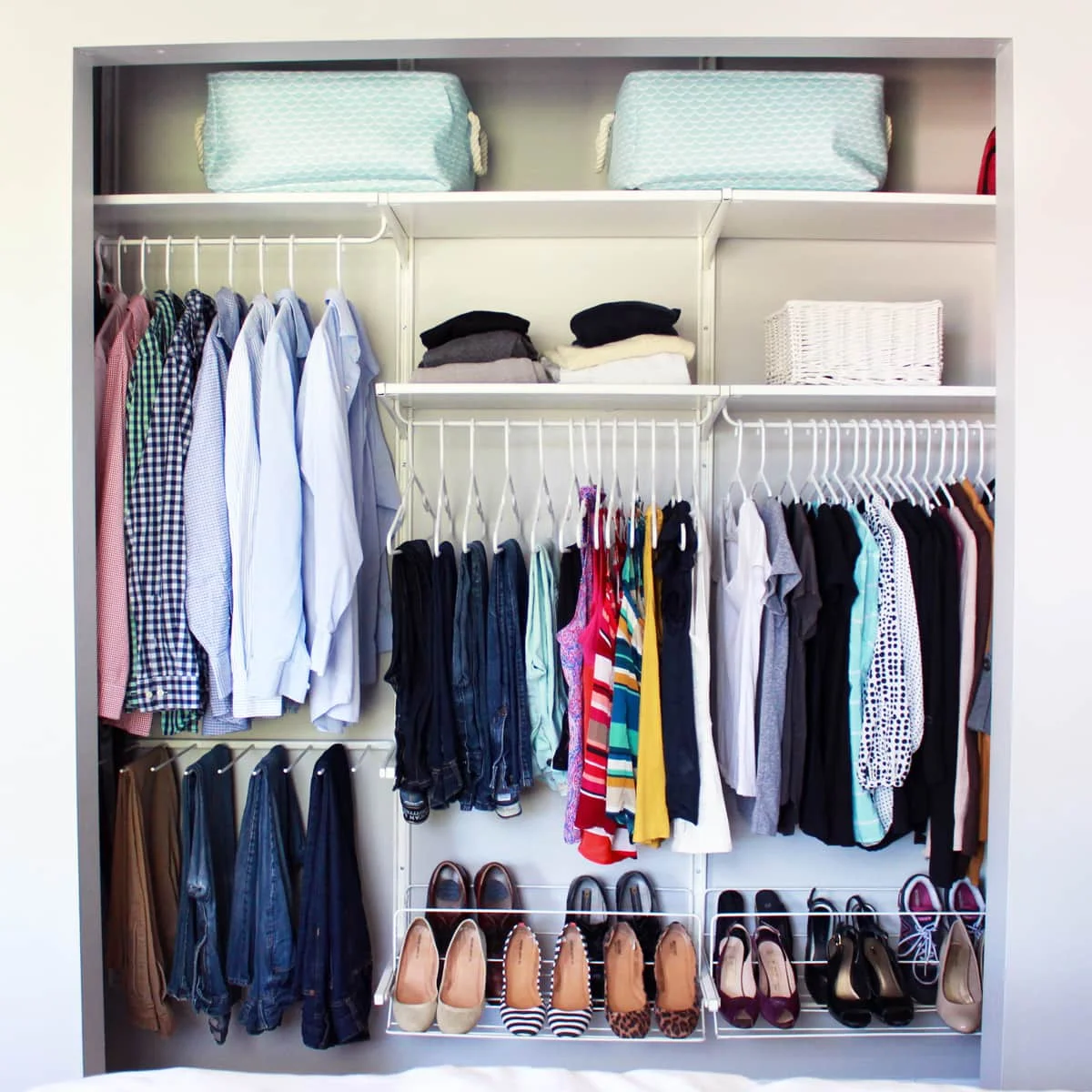
When floor and shelf space is scarce, vertical space becomes a valuable asset. Installing additional rods, hooks, and shelving at varying heights creates multiple storage layers. Using hanging organizers for shoes or accessories makes full use of the closet’s height, while slim hangers and cascading hooks condense hanging clothes. Vertical utilization transforms an otherwise cramped space into a practical storage zone.
Incorporating Multi-functional Storage Solutions
Small closets benefit greatly from storage solutions that serve multiple purposes. Furniture or organizers with built-in drawers, baskets, or hooks combine function without bulk. For example, a hanging shelf unit can store sweaters and shoes simultaneously, reducing the need for separate containers. Selecting these versatile items minimizes clutter while maximizing every inch of available space.
Organizing Strategies Tailored to Closet Types
Reach-In Closets
Reach-in closets, typically shallower and compact, require clever organization to avoid chaos. Using slim, non-slip hangers and limiting the number of items per rod prevents overcrowding. Installing narrow shelves or shoe racks along the floor maximizes space without impeding access. Additionally, organizing items by category and color ensures faster selection, making daily dressing smoother despite the closet’s limited footprint.
Walk-In Closets
Walk-in closets, though usually larger, often still face inefficiencies that waste space. Incorporating adjustable shelving and modular storage systems allows adaptation to changing needs. Designating specific zones—like a section for shoes, one for folded clothes, and another for accessories—curtails clutter. Even in walk-ins, prioritizing vertical elements and multi-purpose furniture enhances storage, creating a neat and navigable environment.
Maintenance Tips for Staying Organized
Daily Habits to Prevent Clutter
Maintaining an organized closet hinges on consistent daily habits. Returning items to their designated spots immediately after use prevents accumulation of mess. Routinely folding or hanging clothes instead of leaving them in piles keeps the space tidy. Small, regular efforts reduce the need for large-scale reorganizing and help preserve order over time.
Periodic Review and Reorganization
Despite daily upkeep, closets require occasional re-evaluation to stay functional. Set aside time seasonally to reassess your wardrobe, remove items that no longer serve you, and adjust storage setups as necessary. This ongoing process adapts your closet organization to evolving needs and ensures limited space is always used optimally, avoiding the pitfalls of gradual clutter.