


Introduction to Budget-Friendly Weekly Meal Planning
Understanding the Importance of Nutritious Meal Plans
Planning meals with nutrition in mind is essential not only for maintaining good health but also for preventing chronic diseases. However, many people struggle to balance healthy eating with budget constraints. Without a clear meal plan, it’s easy to fall into the trap of purchasing expensive, processed foods that lack vital nutrients. Creating a weekly meal plan that focuses on nutritious ingredients helps ensure that your body receives what it needs while controlling costs and minimizing food waste.
Setting a Realistic Budget: Why $30?
Setting a budget of $30 per week may seem challenging given fluctuating food prices and the desire for diverse meals. Yet, this target is achievable with careful planning and smart choices. The $30 benchmark encourages creative and disciplined shopping habits, pushing you to prioritize cost-effective yet nutrient-rich foods. This approach is especially useful for students, families on tight budgets, or anyone wanting to reduce food expenses without sacrificing health.
Step 1: Assessing Nutritional Needs and Preferences
Identifying Key Nutrients for Balanced Meals
Before you start planning, understanding the fundamental nutrients your body requires sets the foundation for balanced meals. Proteins, healthy fats, carbohydrates, vitamins, and minerals all play distinct roles in your diet. Overlooking any of these can lead to imbalances and deficiencies. For example, adequate protein supports muscle repair while fiber aids digestion. Recognizing these needs helps guide ingredient selection and portion sizes in your meal plan.
Considering Dietary Restrictions and Preferences
Each individual or family comes with unique dietary restrictions, whether due to allergies, ethical choices, or health conditions. These must be factored into your meal planning to avoid health risks and maintain enjoyment of food. Taking time to list out any restrictions upfront prevents wasted ingredients and frustration later on. Additionally, understanding taste preferences promotes satisfaction, reducing the likelihood of impulse purchases or eating out.
Step 2: Smart Grocery Shopping Strategies
Creating a Comprehensive Shopping List
A common pitfall in budget meal planning is shopping without a clear list, leading to unnecessary spending and forgotten essentials. After deciding on your meals, draft a complete shopping list that includes precise quantities and alternatives when possible. This method reduces impulse buys and helps you stick closely to your $30 target. Prioritizing staple items like grains, legumes, and frozen vegetables supports consistent nutrition.
Finding Affordable Nutritious Ingredients
The price of food can vary widely depending on where and when you shop. To get the most nutrition per dollar, seek out ingredients that offer both health benefits and affordability. Items such as beans, brown rice, canned tomatoes, eggs, and seasonal produce often provide excellent nutrient density at low cost. It’s important to avoid premium or heavily processed foods that typically hike up your grocery bill without adding nutritional value.
Using Coupons, Discounts, and Bulk Buying Tips
Leveraging coupons and discounts can significantly reduce your grocery expenses. Many stores offer loyalty programs and weekly specials that align well with meal planning. Bulk buying staples like oats, lentils, or frozen vegetables spreads the cost over multiple meals, helping you save money over time. However, make sure you have sufficient storage and only buy amounts you can realistically consume to avoid waste.
Step 3: Planning Meals for Taste and Nutrition
Building Variety With Limited Ingredients
Using a small number of ingredients repeatedly can lead to boredom and a lack of motivation to stick to your plan. To counter this, experiment with different cooking methods and seasonings that transform basic ingredients into diverse dishes. For example, rice can be served plain, fried with vegetables, or turned into a hearty soup base. Variety also ensures a wider range of nutrients, supporting overall health.
Incorporating Seasonal and Local Produce
Seasonal and locally sourced produce often costs less and tastes better than out-of-season alternatives. These offerings tend to be fresher, retaining more nutrients, and may support local farmers, which benefits the community. Adjusting your meal plan to include what’s in season maximizes both flavor and affordability, making it easier to stay within your budget without compromising nutrition.
Step 4: Preparing and Storing Meals Efficiently
Batch Cooking Techniques to Save Time and Money
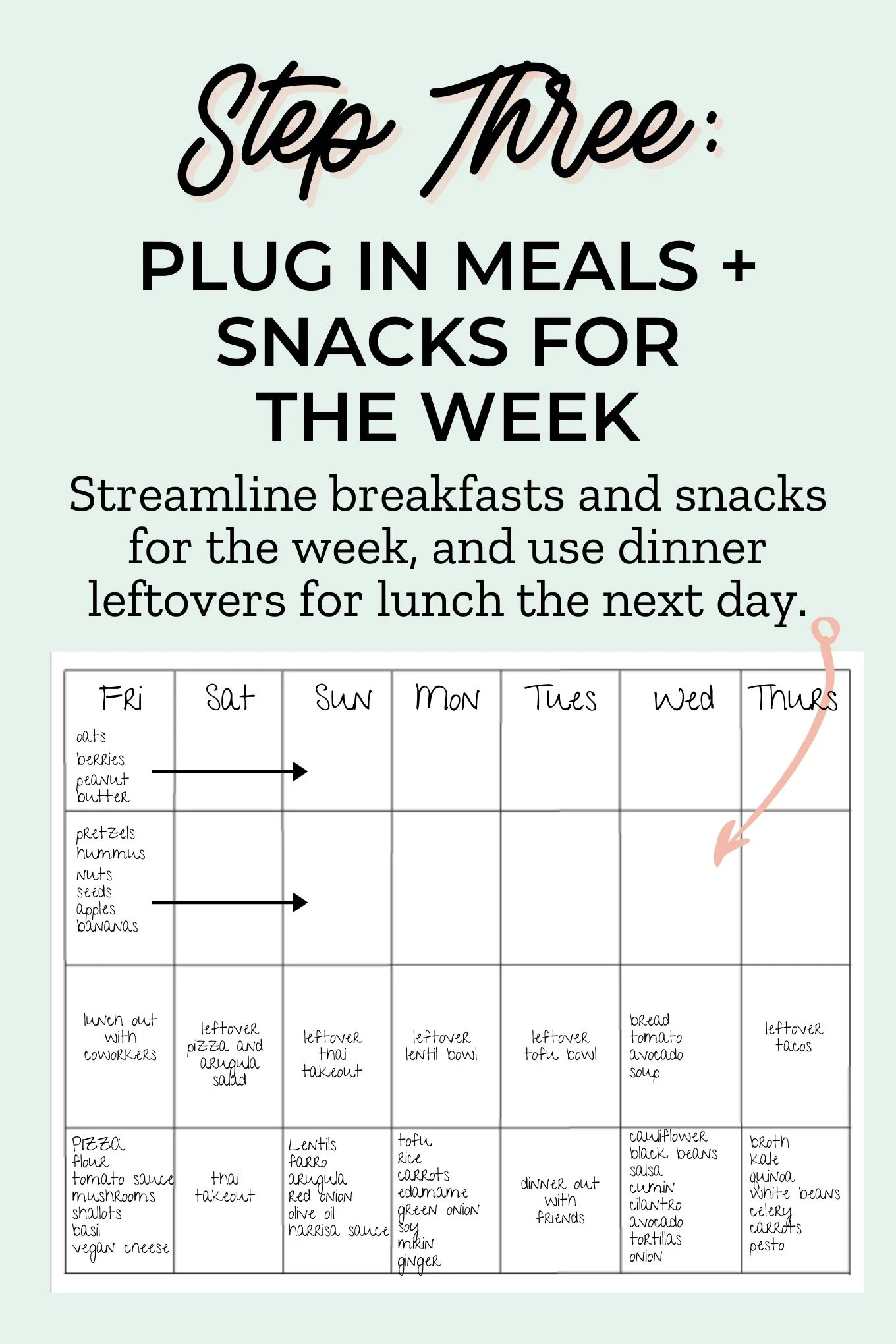
Preparing meals in large batches helps reduce time spent cooking throughout the week and decreases the chances of resorting to unhealthy, expensive takeout. Batch cooking also enables you to buy ingredients in bulk, stretching your budget further. For example, cooking a big pot of chili or stew can provide enough servings for several days. This method guarantees that nutritious meals are always available, reducing stress and food waste.
Proper Storage to Maintain Freshness and Nutrition
One common issue with meal prepping is food spoilage, which wastes both money and nutrients. Investing in appropriate storage containers and understanding how to refrigerate or freeze meals correctly prolongs freshness. Labeling meals with dates ensures you consume them in order of preparation, further preventing waste. Proper storage also preserves the texture and taste, keeping meals appetizing throughout the week.
Sample Weekly Meal Plan Under $30
Breakfast, Lunch, Dinner, and Snack Ideas
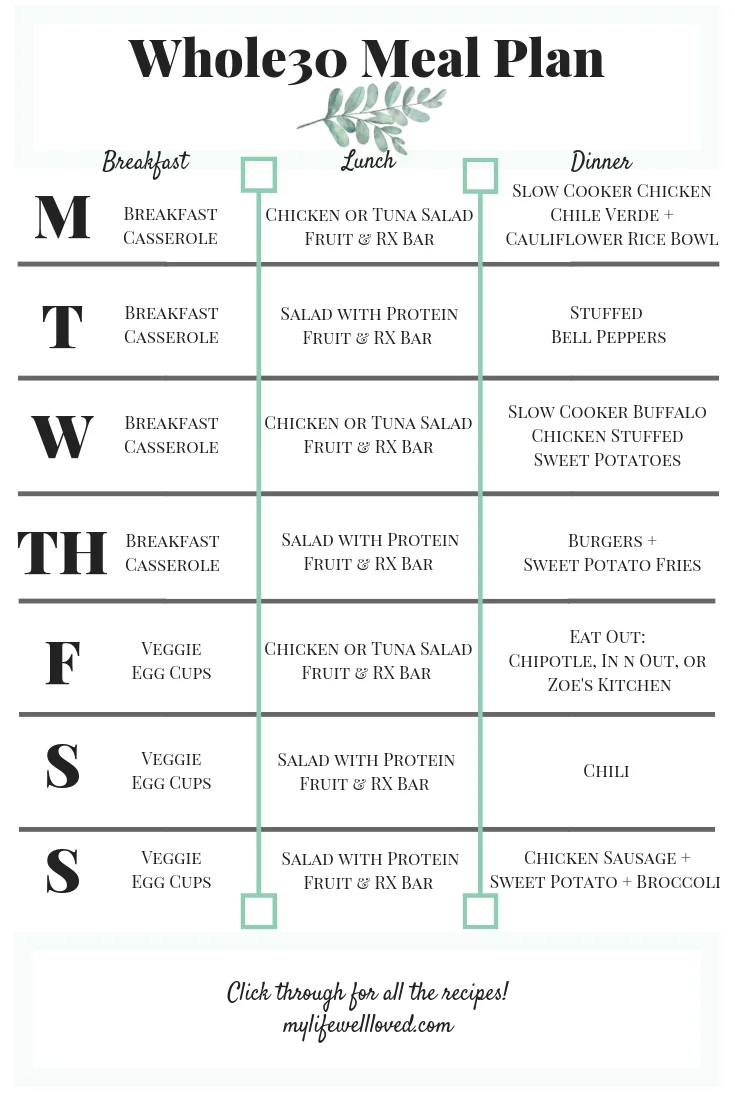
Creating a sample meal plan demonstrates how to balance nutrition, variety, and cost-effectiveness. For breakfast, oatmeal with banana and a sprinkle of nuts provides fiber and energy. Lunch might include a chickpea salad with seasonal veggies, while dinner could be a simple lentil stew paired with rice. Snacks such as homemade popcorn or carrot sticks maintain energy levels without added expense. Each meal focuses on affordable, nutritious ingredients accessible in most stores.
Shopping List Breakdown With Estimated Costs
Your shopping list might include staples like oats ($2), brown rice ($3), canned chickpeas ($1), lentils ($2), seasonal vegetables ($6), eggs ($3), bananas ($2), nuts ($3), and basic spices ($3). These prices are approximate but demonstrate how to allocate money across items that contribute to balanced meals. By combining these ingredients creatively, you can cover the week’s meals while staying within the $30 budget.
Tips for Sticking to Your Meal Plan and Budget
Tracking Expenses and Adjusting Plans
Even with meticulous planning, grocery prices and personal needs may shift throughout the week. Keeping track of your spending helps identify where adjustments are necessary to remain within budget. This may mean swapping out certain ingredients for cheaper alternatives or reducing portion sizes. Regularly reviewing your meal plan builds awareness and empowers you to make smarter choices over time.
Dealing With Unexpected Changes
Life is unpredictable, and sometimes plans must change due to schedule disruptions or sudden cravings. Instead of abandoning your meal plan entirely, consider flexible solutions such as repurposing leftovers, freezing meals for later, or modifying recipes with available ingredients. This adaptability minimizes wastage and maintains both nutritional quality and budget control.