


Understanding Lower Back Tightness from Prolonged Sitting
Causes and Effects on Posture
After a long day spent glued to a desk chair, many people notice an uncomfortable tightness in their lower back. This sensation isn’t random—it’s a direct result of how sitting affects the muscles and alignment of the spine. Imagine someone spending eight hours working on a computer, often leaning forward slightly without moving much. This posture causes the hip flexors to shorten and the lower back muscles to become tense. Over time, this imbalance can lead to poor posture, such as a rounded back or slumped shoulders, which further exacerbates discomfort and tightness.
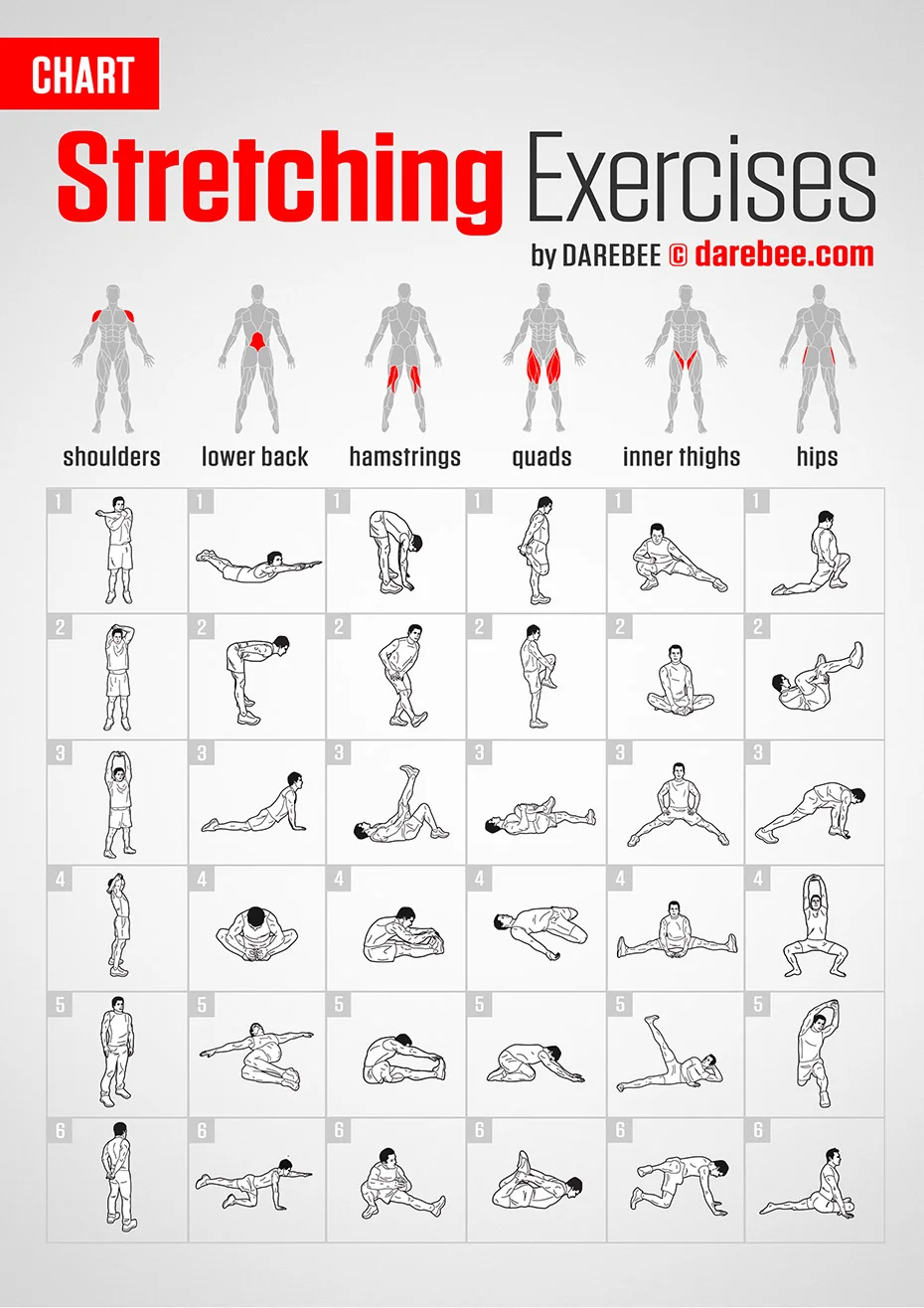
Why Stretching is Essential
Stretching after prolonged sitting plays a crucial role in alleviating this tightness. When muscles are held in a shortened or contracted position for an extended period, they lose flexibility and become vulnerable to strain. Stretching helps to restore muscle length, improve blood flow, and encourage proper spinal alignment. For example, after a conference call, taking a few minutes to stretch can help reset the body and reduce the risk of developing chronic back pain. It’s a simple yet effective way to maintain comfort and mobility throughout the day.
Top Effective Stretching Techniques
Dynamic Stretches to Loosen Up Quickly
Dynamic stretches involve controlled movements through a full range of motion, making them ideal for immediately relieving stiffness. A good example is the Cat-Cow stretch, which actively mobilizes the spine and encourages loosening of tight muscles. These stretches are especially helpful when you feel rigid after sitting for hours, providing a quick reset. They can be done right at your desk or in an open space, requiring no equipment and minimal time.
Static Stretches for Deep Muscle Relief
In contrast, static stretches focus on holding a muscle in a lengthened position to promote deep relaxation and flexibility. The Knee-to-Chest stretch and the Child’s Pose are popular static stretches for the lower back. Holding these stretches for 20-30 seconds allows the muscles to unwind and reduces tension substantially. Many people find that doing these stretches before bedtime helps them sleep better by releasing the day’s accumulated tightness.
Step-by-Step Guide to Each Stretch
Cat-Cow Stretch
Start on your hands and knees with your wrists aligned under your shoulders and knees under your hips. As you inhale, arch your back by lifting your chest and tailbone toward the ceiling (Cow Pose). Then, as you exhale, round your spine toward the ceiling, tucking your chin to your chest (Cat Pose). Moving smoothly between these positions helps warm up the spine and target tight lower back muscles. Perform 8-10 slow repetitions to feel immediate relief.
Knee-to-Chest Stretch
Lie on your back on a comfortable surface and gently pull one knee toward your chest while keeping the other leg extended. Hold this position for 20-30 seconds, feeling a stretch along the lower back and glute muscles. Alternate legs, ensuring you keep your movements gentle to avoid strain. This stretch is especially beneficial after sitting because it counteracts the hip flexor shortening that contributes to lower back tightness.
Seated Spinal Twist
Sit upright in a chair with your feet flat on the floor. Place your right hand on the back of the chair and your left hand on your right knee. Gently twist your torso to the right, looking over your shoulder while keeping your spine straight. Hold for 20 seconds and then repeat on the other side. This stretch improves spinal mobility and helps relieve stiffness caused by prolonged sitting positions.
Child’s Pose
Kneel on the floor and sit back onto your heels. Extend your arms forward and lower your chest toward the floor. This pose stretches the lower back muscles gently while encouraging relaxation. Many people find it soothing after a long day of sitting, as it creates space in the lower spine and reduces muscular tension. Holding this pose for at least 30 seconds can make a significant difference in how your back feels.
Incorporating Stretching into Your Daily Routine
Best Times to Stretch During Work Hours
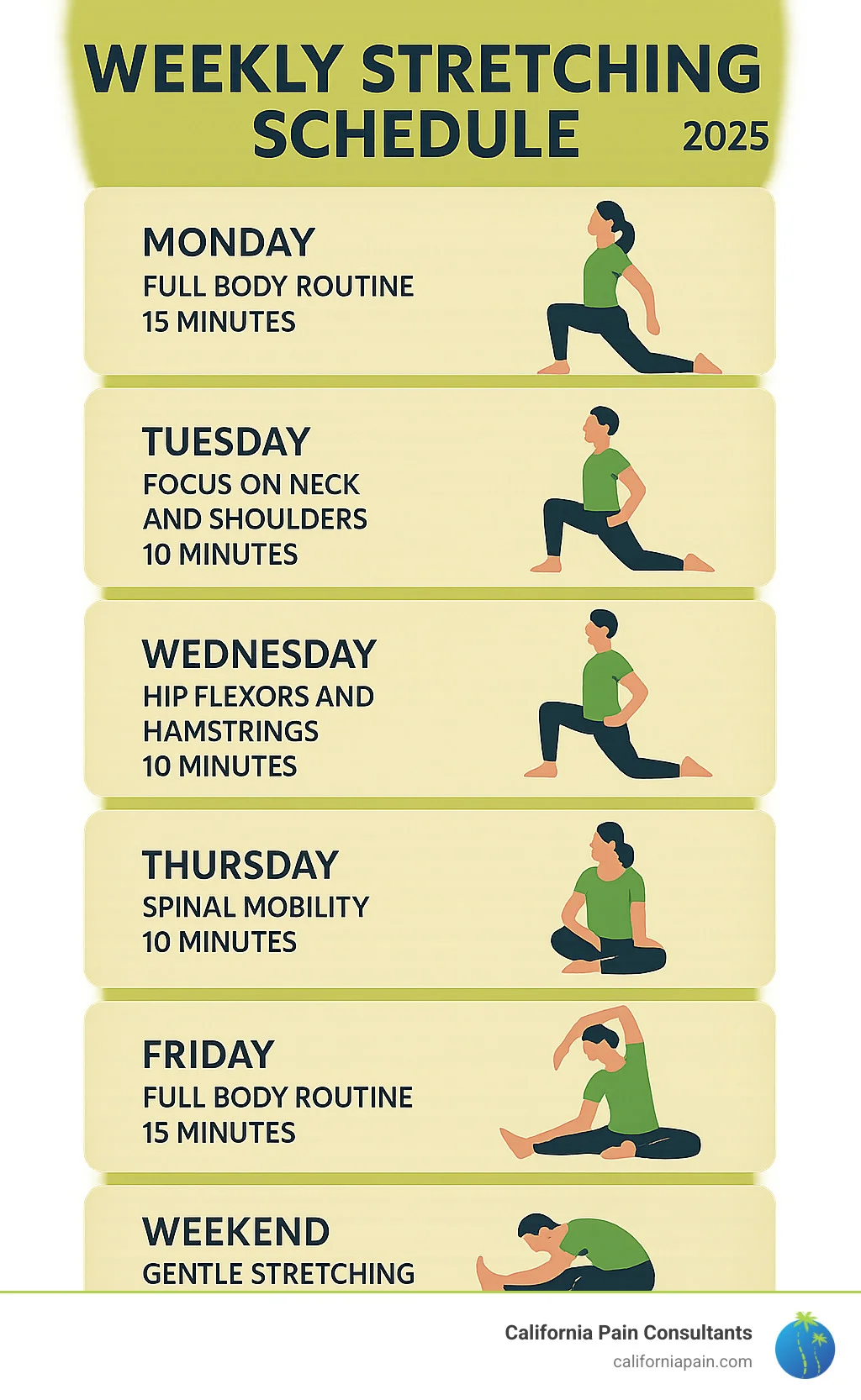
Introducing stretches during natural breaks in your workday enhances both comfort and productivity. For instance, a quick stretch session after completing a major project or during a coffee break can prevent stiffness from setting in. Some professionals set reminders every hour to stand and stretch, which helps maintain muscle elasticity and reduces the risk of tightness accumulating over time. Making stretching a habit rather than an afterthought is key to a healthier back.
Simple Desk Stretches to Prevent Tightness
Not all stretches require leaving your workspace. Seated spinal twists and gentle neck rolls can be discreetly performed without needing extra space. Even standing up and reaching your arms overhead or bending gently side to side can interrupt the static posture of sitting. These mini-movements elevate your blood circulation and prevent the lower back from stiffening. For example, a project manager once described how five minutes of desk stretches kept her lower back comfortable throughout demanding workdays.
Additional Tips for Maintaining a Healthy Lower Back
Ergonomics and Sitting Posture Adjustments
Adjusting your workstation setup is an often overlooked but essential part of preventing lower back tightness. Ensuring your chair supports the natural curve of your spine and your feet rest flat on the ground reduces pressure on the lower back. Real-life stories from office workers show that making simple changes—like adding a lumbar support cushion or raising the monitor to eye level—can make sitting for long periods less stressful for the back muscles.
Importance of Regular Movement Breaks
Movement is vital in disrupting prolonged sitting. Taking brief walks, standing during phone calls, or doing light stretches every hour helps maintain spinal health and muscle flexibility. Many people working remotely found that scheduling movement breaks with family members or colleagues improved their adherence and overall comfort. Introducing variety in daily movement safeguards the lower back against stiffness and tightness.