


Understanding Lower Back Tightness and Its Causes
Anatomy of the Lower Back and Spine
The lower back, or lumbar region, plays a crucial role in supporting the upper body’s weight and facilitating movement. It consists of vertebrae, discs, muscles, ligaments, and nerves that work together to provide stability and flexibility. This complex structure makes the lower back particularly vulnerable to tightness and discomfort, especially when mobility is compromised.
Common Reasons for Lower Back Tightness
Lower back tightness often arises from prolonged sitting, poor posture, muscle imbalances, or repetitive strain. In many cases, sedentary lifestyles lead to weakened core muscles and stiff hip flexors, which place extra pressure on the lumbar spine. Additionally, lifting heavy objects incorrectly or sudden awkward movements can contribute to tension and restricted movement in this area.
How Poor Mobility Affects Spinal Health
Poor mobility in the hips and spine can limit your range of motion, causing other muscles and joints to compensate. This compensation frequently results in uneven stress on spinal structures, leading to tightness, pain, or even injury over time. Without addressing mobility issues, the lower back becomes increasingly vulnerable to chronic discomfort and decreased function.
Principles of Safe Mobility Exercises for the Lower Back
Why Avoid Straining the Spine
The spine is delicate and not designed to withstand excessive force or sudden strain. Exercises that push beyond comfortable limits risk aggravating existing conditions or causing new injuries, such as disc herniation or muscle strains. Prioritizing gentle, controlled movements ensures that the spine remains protected while encouraging improved flexibility and strength.
Key Factors for Effective and Safe Movements
Safe mobility exercises emphasize slow, deliberate stretches and controlled activation of supporting muscles. Proper breathing, maintaining neutral spine alignment, and avoiding rapid or jerky motions are essential to prevent unnecessary strain. Additionally, focusing on hip and core muscles helps distribute load away from the lower back, making movements more efficient and safer.
Essential Mobility Exercises to Relieve Lower Back Tightness
Hip Flexor Opens and Stretches
Tight hip flexors pull the pelvis forward, increasing lumbar spine curvature and causing back tightness. To counter this, perform gentle hip flexor stretches such as the kneeling lunge stretch. By lengthening these muscles, you reduce excessive lumbar strain and improve hip mobility, which indirectly eases tension in the lower back.
Spinal Twist Variations for Gentle Rotation
Incorporating gentle spinal twists helps restore rotational mobility without overloading the spine. Exercises like seated or supine spinal twists allow the muscles supporting the vertebrae to elongate and relax. It is important to avoid forcing the twist and instead focus on smooth, pain-free movements that encourage gradual improvement.
Pelvic Tilts and Bridges for Core Engagement
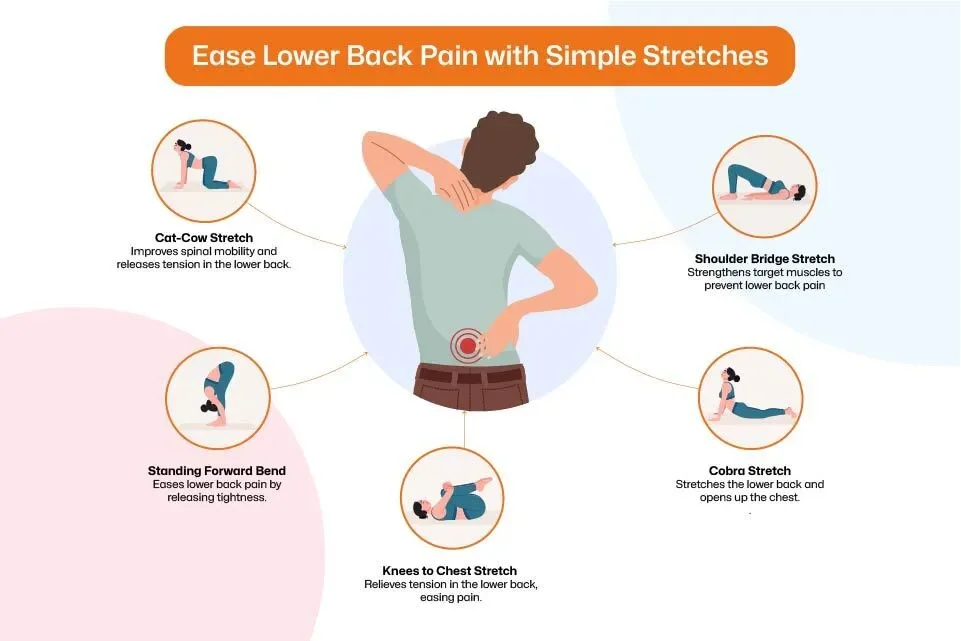
Pelvic tilts and bridge exercises activate the deep core muscles that stabilize the lower back. Poor core engagement often leads to excessive lumbar movement and discomfort. These exercises promote a neutral spine position and build strength that supports mobility, helping to alleviate tightness and prevent recurrent issues.
Creating a Balanced Routine: Combining Mobility with Strength
Integrating Core Strengthening to Support Mobility
Focusing solely on mobility without strengthening the core can leave the lower back vulnerable to instability. A balanced routine involves exercises that improve flexibility alongside targeted core strengthening, which reinforces spinal support. This combined approach reduces tightness while enhancing functional movement and resilience against injury.
Daily Warm-up and Cool-down Strategies
Incorporating mobility exercises into your daily warm-up prepares the body for activity and minimizes stiffness. Likewise, gentle stretches during cool-down help maintain muscle length and prevent buildup of tension. Consistency in these habits fosters long-term spinal health and sustained relief from lower back tightness.
Precautions and When to Seek Professional Advice
Recognizing Signs of Potential Injury
While gentle mobility exercises are generally safe, certain signs warrant caution—such as sharp pain, numbness, or weakness in the legs. These symptoms may indicate nerve involvement or more serious spinal conditions. Continuing exercises under these circumstances could worsen your condition rather than improve it.
Consulting with Healthcare Professionals Before Starting
Before beginning any new mobility routine, especially if you have pre-existing back issues, consult a healthcare professional. A physical therapist or physician can provide personalized advice based on your condition and ensure exercises are safe and effective. Seeking expert guidance helps you avoid common pitfalls and optimizes your recovery journey.