


Understanding the Impact of Prolonged Sitting on Posture
How Sitting Affects Muscular and Skeletal Health
Spending long hours sitting can have a significant effect on your muscles and skeletal system. When seated for extended periods, muscles responsible for supporting the spine tend to weaken, while others become tight and inflexible. This imbalance stresses the joints and can alter the natural curves of the spine. Over time, these changes may contribute to discomfort and misalignment.
Common Postural Problems from Long Hours of Sitting
Prolonged sitting often leads to rounded shoulders, forward head posture, and a slouched back. These issues stem from poor alignment habits during sitting. Additionally, hip flexors can become shortened, which pulls the pelvis into an anterior tilt, contributing to lower back pain. Recognizing these common problems is key to addressing posture concerns before they worsen.
Key Benefits of Incorporating Stretching into Your Daily Routine
Improving Flexibility and Reducing Muscle Stiffness
Regular stretching helps restore flexibility lost due to inactivity. It loosens tight muscles and tendons, making movements smoother and less restricted. This increased flexibility reduces stiffness, which is a frequent complaint after sitting for long periods. Enhanced muscle elasticity supports better posture by allowing the body to maintain proper alignment more easily.
Enhancing Circulation and Reducing Fatigue
Stretching promotes blood flow to muscles and joints, which can become sluggish during prolonged sitting. Improved circulation delivers essential nutrients and oxygen, helping to combat feelings of fatigue. This boost in energy supports sustained focus and productivity throughout the day while maintaining overall body wellness.
Simple Stretching Exercises to Counteract Poor Posture
Neck and Shoulder Stretches for Desk Workers
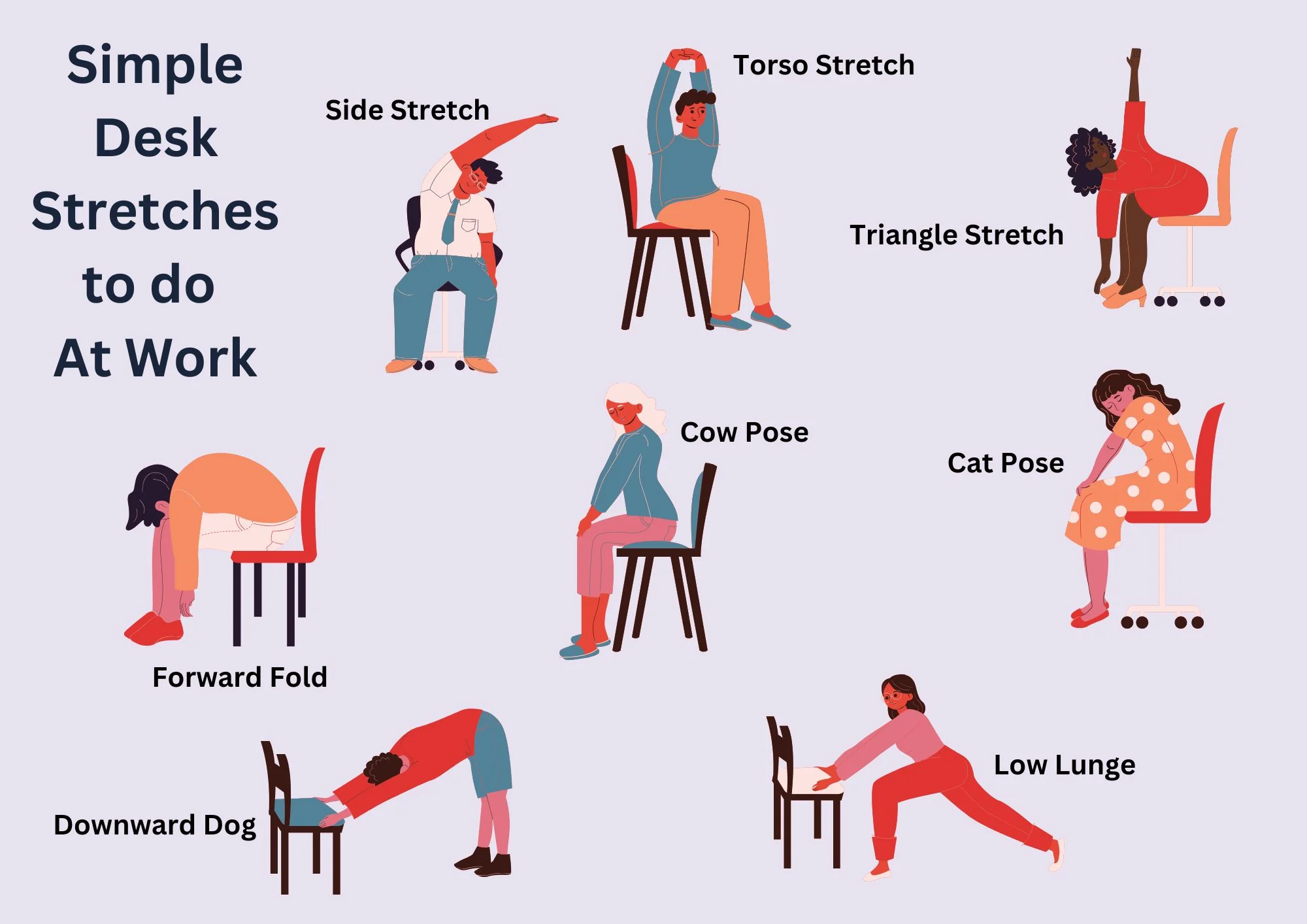
Targeted stretches for the neck and shoulders can relieve tension created by leaning forward or looking down at screens. Gentle side neck bends and shoulder rolls encourage relaxation of tight muscles. These movements prevent stiffness, improve range of motion, and reduce discomfort commonly experienced after long hours at a desk.
Lower Back and Hip Openers to Relieve Tension
Stretching the lower back and hips addresses tightness from seated positions. Hip flexor stretches help counter the shortening effect of sitting, while gentle spinal extensions can ease compression in the lumbar area. These stretches help maintain spinal mobility and alleviate pressure that contributes to lower back pain.
Spinal Twists and Chest Openers to Rebalance Your Body
Twisting stretches encourage rotation in the spine, countering stiffness and promoting better posture. Chest openers combat the forward-leaning nature of sitting by stretching the pectoral muscles. Together, these stretches help realign the upper body, leading to enhanced posture and reduced discomfort.
Creating a Customized Stretching Schedule for Busy Professionals
Timing and Frequency Suggestions for Maximum Benefit
Integrating stretching into a daily routine should align with your work schedule to be sustainable. Short sessions of five to ten minutes every hour or two can significantly improve posture over time. Consistency is more important than duration, allowing your body to gradually adjust and maintain improved alignment.
Incorporating Microbreaks Without Disrupting Workflow
Microbreaks provide brief moments to stretch without interrupting productivity. Standing up and moving during meetings or between tasks creates natural opportunities to relieve muscle tension. Simple stretches during these moments can refresh the body, improve circulation, and reset posture without requiring extra time.
Additional Tips to Maintain Good Posture Throughout the Day
Ergonomic Adjustments for Your Workspace
Adjusting your chair, desk, and monitor height ensures neutral body positioning. An ergonomic setup supports the natural curves of your spine and reduces strain. Positioning your screen at eye level and using a chair with proper lumbar support are practical ways to foster good posture while seated.
Posture-Boosting Habits to Practice Daily
Awareness of posture during everyday activities is crucial. Simple habits such as keeping feet flat on the floor, engaging core muscles, and avoiding slumping can make a difference. Taking regular breaks to stand, walk, or stretch contributes to maintaining a healthy posture throughout the day.