


Understanding the Synergy Between Stretching and Light Resistance Training
How Stretching Enhances Energy Levels
Many people experience midday sluggishness or difficulty maintaining consistent energy throughout the day. One root cause of this energy dip often relates to muscle tightness and poor circulation. Stretching plays a crucial role in relieving muscle tension, which directly improves blood flow. When muscles are lengthened and relaxed through proper stretching, oxygen-rich blood circulates more effectively, revitalizing cells and supporting overall alertness. Without this process, stiffness can compound fatigue and reduce the ability to remain active and attentive.

The Role of Light Resistance Exercises in Sustained Vitality
Light resistance training further supports sustained energy by engaging muscles without overstressing them. Unlike heavy lifting, light resistance exercises promote muscle activation and endurance, helping the body maintain strength over long periods. Regular engagement in these exercises can enhance metabolic function and improve the efficiency of muscular and cardiovascular systems. When muscles are adequately challenged yet not overwhelmed, fatigue accumulation slows, allowing individuals to sustain vitality in daily activities.
Scientific Basis for Combining Both Practices
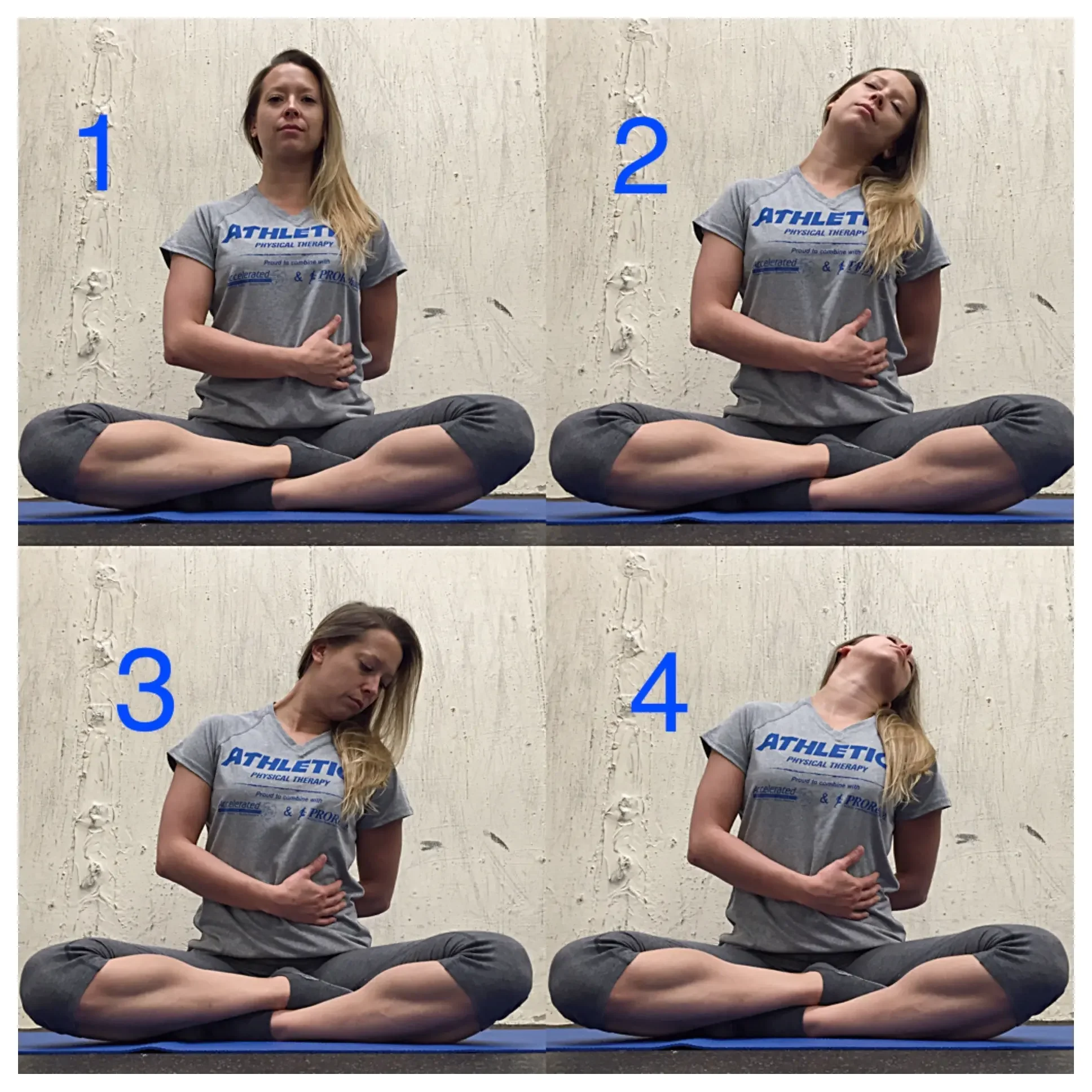
Combining stretching with light resistance training harnesses the benefits of both approaches. Stretching prepares and loosens muscles, improving flexibility and range of motion, which reduces the risk of strain during resistance exercises. Meanwhile, resistance training builds muscular stamina and enhances circulation further, complementing the effects of stretching. The synergy between these practices creates a feedback loop where improved flexibility leads to safer, more effective resistance training sessions, ultimately supporting better energy regulation throughout the day.
Designing an Effective Daily Routine
Ideal Stretching Techniques to Boost Blood Flow
To maximize energy benefits, stretching routines should focus on dynamic movements that increase heart rate gently and stimulate circulation. Techniques such as leg swings, arm circles, and spinal twists can encourage blood flow to targeted muscle groups. These movements help prevent stiffness that often arises from prolonged sitting or inactivity. It’s important to avoid static stretching when muscles are cold, as this can reduce efficiency and increase injury risk. Incorporating gentle, rhythmical stretches primes the body to transition smoothly into more active phases.
Light Resistance Exercises Suitable for All Fitness Levels
Resistance exercises don’t need to be intense or complicated to be effective. Bodyweight movements like wall push-ups, seated leg lifts, and resistance band rows can safely engage muscles without causing excessive fatigue. These are accessible options that support gradual strength improvements, making them suitable for beginners or individuals with limited time. The key is consistency and controlled movements that promote endurance instead of maximum effort, ensuring the exercises enhance energy without causing burnout.
Timing and Sequence: When to Stretch and When to Train
Proper sequencing in a daily routine is essential to maintain energy all day long. Starting with light stretching upon waking or before any physical activity helps awaken muscle tissue and joint mobility. Afterward, engaging in light resistance exercises solidifies muscle activation and metabolic stimulation. Finishing the routine with gentle stretching can aid in recovery and prepare the body for the next phase of the day. Spacing these activities strategically throughout the day, such as short sessions mid-morning and early afternoon, prevents energy slumps and sustains alertness.
Benefits of Integrating Stretching with Resistance Training
Improved Mental Clarity and Focus
When muscles are tight and circulation is poor, the brain can struggle to maintain focus. Integrating stretching with resistance training improves circulation, helping deliver oxygen and nutrients more effectively to the brain. This biological response supports clearer thinking, faster decision-making, and prolonged concentration. The mental boost from even brief physical activity can counteract feelings of fogginess or distraction that often arise during demanding workdays.
Reduction in Fatigue and Enhanced Physical Endurance
Muscle fatigue is a significant contributor to feeling drained. Regular movement that combines stretching and resistance exercises improves muscular efficiency and reduces tension buildup. Over time, this increases physical endurance, making everyday tasks feel less energy-intensive. Rather than experiencing rapid energy depletion, people find themselves capable of sustaining light activity longer, which elevates overall productivity and well-being.
Prevention of Injuries and Muscle Tightness
One of the pitfalls of low activity levels is the development of muscle tightness that can lead to discomfort or injury. Stretching maintains muscle elasticity and joint mobility, while light resistance training strengthens supportive muscles needed to stabilize joints. This dual approach helps prevent common issues like strains or repetitive stress discomfort. A routine that incorporates both aspects supports anatomical balance, reducing downtime caused by physical setbacks.
Practical Tips to Stay Consistent
Setting Realistic Goals for Energy Management
Goal-setting is key to maintaining an effective routine, but unrealistic expectations often lead to burnout or abandonment. Instead of aiming for long or intense workouts, focusing on short, manageable sessions tailored to one’s schedule encourages persistence. Goals should emphasize energy maintenance rather than performance extremes, making daily movement a sustainable habit rather than a chore.
Incorporating Mini Workouts in Busy Schedules
Recognizing the challenge of fitting exercise into a packed day, breaking routines into brief segments can be highly effective. Even five to ten minutes of stretching or light resistance training interspersed between work tasks can refresh the mind and body. These mini workouts do not require special equipment or space, allowing flexibility that supports adherence without overwhelming commitments.
Tracking Progress and Staying Motivated
Keeping a simple log of activities and noting energy levels before and after sessions can motivate ongoing engagement. Seeing tangible improvements, whether in mood, alertness, or endurance, reinforces the value of maintaining these practices. Some may find that pairing movement with enjoyable activities, like listening to music or walking outdoors, further enhances positive associations and long-term consistency.
Conclusion: Transforming Your Day with Simple Movement Habits
Combining stretching and light resistance training offers a practical solution to combating daytime fatigue and sustaining energy naturally. By understanding how these movements improve circulation, muscle function, and mental focus, individuals can design routines that fit seamlessly into daily life. Avoiding common pitfalls and adopting small, consistent habits empower a transformation from sluggishness to sustained vitality. Embracing simple, regular movement not only uplifts physical well-being but also nurtures sharper thinking and improved endurance, turning ordinary days into more productive and energized ones.