


The Synergy of Strength Training and Stretching
Understanding the Benefits of Each Practice
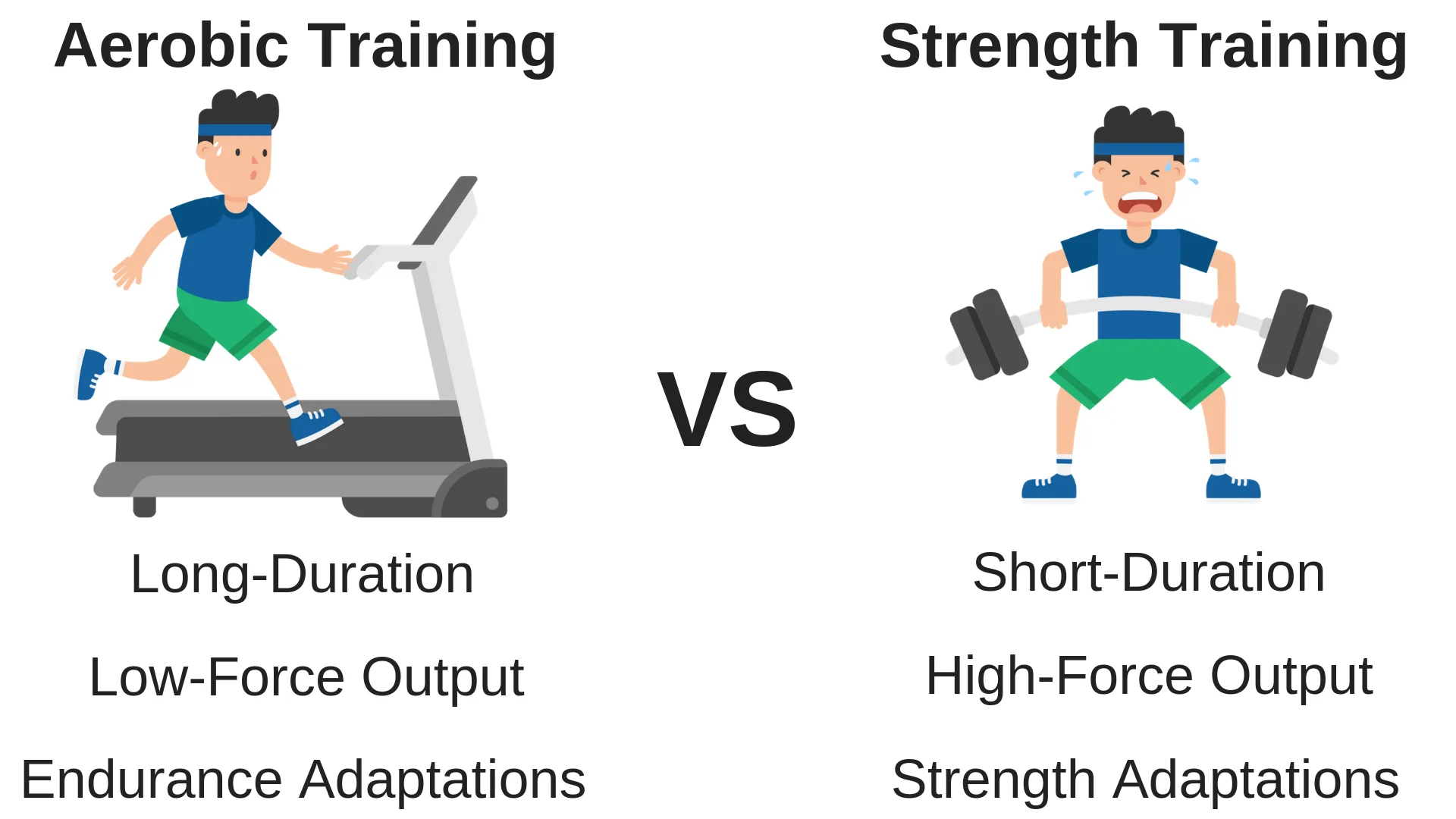
Strength training builds muscle mass, enhances bone density, and improves overall physical resilience. Take Alex, a 35-year-old office worker, who found that regularly lifting weights transformed his daily energy levels. He no longer felt drained by the afternoon slump because his muscles were more efficient and his body stronger.
Stretching, on the other hand, improves flexibility, reduces muscle tension, and helps maintain a full range of motion. Emma, a yoga enthusiast, noticed that consistent stretching reduced her weekday stress and kept her nimble, making her feel lighter and more energized throughout her busy schedule.
How They Complement Each Other for Energy Boosting
When strength training and stretching are combined, they create a powerful routine that supports sustainable energy. Strength workouts stimulate muscle growth and metabolism, but without proper stretching, muscles can become tight, leading to discomfort or fatigue. Stretching helps ease muscle stiffness and improves blood flow, further supporting recovery and energy renewal.
Jessica learned this synergy firsthand. Initially, her intense weightlifting sessions left her feeling fatigued by midday. After incorporating targeted stretches before and after workouts, she experienced less soreness, better posture, and sustained vitality through her workday. This balance prevents overuse injuries and keeps energy levels more stable, making daily tasks feel less taxing.
Designing a Balanced Daily Routine
Optimal Timing: When to Train and When to Stretch
Morning strength sessions can jumpstart metabolism and provide a natural energy boost for the day ahead, as experienced by Mark, who noticed improvement in his focus after early workouts. Stretching, especially dynamic stretches, serves as an excellent warm-up before strength training, preparing muscles for exertion and reducing injury risk.
Post-workout or evening static stretching helps relax muscles and improve flexibility, aiding recovery. For those with sedentary jobs, incorporating brief stretching breaks during the day can refresh the body and mind, preventing midday sluggishness. Balancing the timing of these activities helps maintain steady energy rather than sharp peaks followed by crashes.
Sample Workouts Incorporating Both Elements
Consider a routine like Sarah’s, where she starts with five minutes of dynamic stretches such as leg swings and arm circles, warming up her muscles. She then spends 30 minutes on strength exercises targeting major muscle groups—think squats, push-ups, and dumbbell rows. Finishing with 10 minutes of static stretches, holding stretches like hamstring and shoulder stretches, promotes relaxation and recovery.
For beginners, alternating days of strength training with dedicated stretching sessions can build endurance without overwhelming the body. Over time, combining both in one session becomes natural, supporting continuous energy flow and avoiding burnout.
Physiological Effects on Long-Term Energy Levels
Impact on Metabolism and Muscle Recovery
Consistent strength training increases resting metabolic rate, meaning the body burns more calories even at rest. This metabolic uplift contributes to general alertness and energy availability. However, the increased workload demands efficient recovery, where stretching plays a vital role by reducing muscle tightness and facilitating waste removal through improved circulation.

James, an avid cyclist, incorporated strength training and stretching to tackle post-ride fatigue. He found his recovery speed improved and daily energy levels rose, making his training more sustainable over months. This illustrates how the physiological interplay between muscle building and lengthening influences stamina and long-term vitality.
Improving Circulation and Flexibility for Endurance
Stretching enhances blood flow, delivering oxygen and nutrients to muscles more efficiently. This contributes to better endurance, as seen in Mia’s experience as a busy nurse. Incorporating short stretching routines during shifts helped her maintain mobility and energy, reducing the strain of constant physical activity.
Improved flexibility reduces the risk of injury and muscular fatigue, allowing strength gains to translate into practical endurance. The combined effect is a body better equipped to handle daily demands with less energy depletion, rooting sustainable vitality in solid physical foundations.
Key Stretches to Enhance Strength Training Results
Dynamic Stretches to Warm Up Muscles
Dynamic stretches involve active movement, such as walking lunges or torso twists, which increase heart rate and prepare muscles for exertion. Before her morning gym sessions, Laura performs a series of dynamic stretches that awaken her body and prevent stiffness, making her strength work more effective.
These movements mimic the actions used during strength exercises, ramping up joint mobility and neural activation. The result is a more energized start and reduced injury risk, which helps maintain momentum throughout the day.
Static Stretches for Cooldown and Injury Prevention
Post-workout static stretching involves holding positions like the butterfly stretch or seated hamstring stretch for 20 to 30 seconds. This practice helps reduce muscle tension and signals the body to transition into recovery mode.
Kevin, who often struggled with lower back tightness, found relief by dedicating time to static stretches after lifting sessions. This habit soothed his muscles, prevented cramps, and supported a consistent training schedule without energy dips caused by soreness.
Tips for Staying Consistent and Motivated
Tracking Progress and Energy Patterns
Using journals or apps to record workouts and feelings of energy can help identify what routines work best. For example, Sophie noticed she had more energy on days she included stretching breaks in her schedule, motivating her to keep the habit.
Monitoring progress reinforces the link between physical activity and how one feels, encouraging persistence by highlighting improvements beyond just strength gains—like increased daily vitality and mood stability.
Incorporating Variety to Avoid Burnout
Changing workout types, stretching techniques, or timing prevents boredom and physical plateaus. Carlos mixes bodyweight exercises with free weights, and alternates yoga-inspired stretches with more traditional methods. This diversity keeps his routine fresh and energizing rather than a chore.
Listening to your body and adjusting intensity, duration, or frequency ensures long-term engagement. Making strength training and stretching enjoyable and varied is key to sustaining energy and enthusiasm well beyond the initial weeks.