


Understanding the Impact of Air Leaks on Heating Efficiency
How Air Leaks Occur Around Windows
Air leaks around windows are a common problem in many homes, often stemming from gaps or cracks in the window frame, poorly installed weatherstripping, or aged caulking that has deteriorated over time. These leaks allow cold air to enter and warm air to escape, disrupting the controlled indoor environment. The issue is exacerbated in older windows where materials have shifted or warped, creating even more opportunities for air to pass through unnoticed.
The Connection Between Air Leaks and Heating Costs
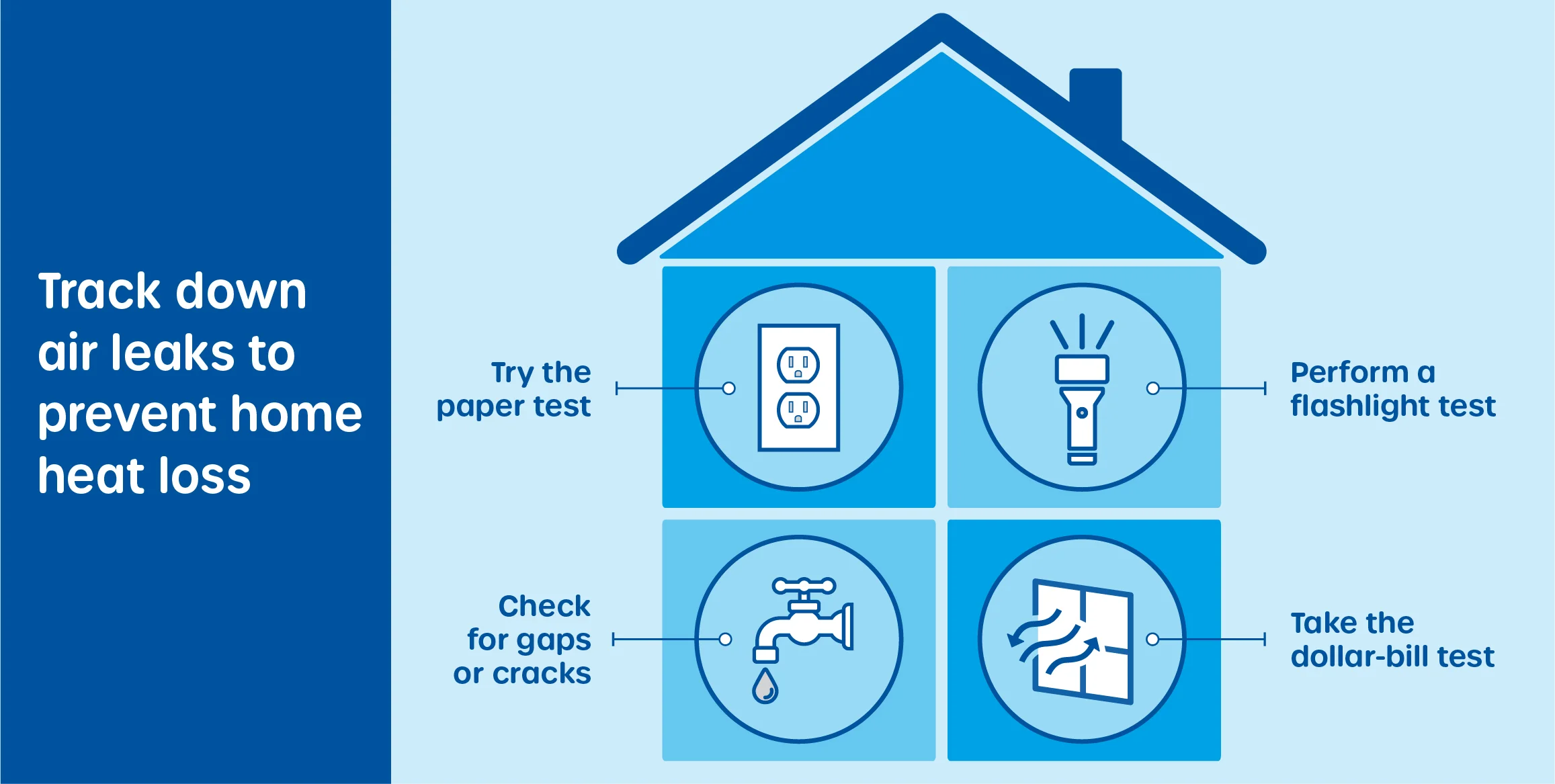
When warm air escapes through leaks around windows, the heating system must work harder to maintain a comfortable temperature, leading to increased energy consumption and higher heating bills. Even small leaks can significantly impact energy efficiency because the HVAC system compensates continuously. Recognizing this connection is crucial, as sealing these leaks not only improves comfort but also reduces unnecessary spending on heating.
Step-by-Step Guide to Detecting Air Leaks
Visual Inspection Techniques
Begin by closely examining window frames and sills for visible cracks, gaps, or damaged seals. Pay particular attention to corners and joints where materials meet, as these areas are vulnerable to separation. Look for signs of moisture or temperature differences on the wall around the window, which can indicate areas where cold outside air is penetrating indoors. A simple way to detect leaks is to hold a lit incense stick or candle near the window edges; if the smoke or flame flickers, it suggests a draft.
Using Tools to Find Hidden Leaks
For leaks that are not visible to the naked eye, more precise methods are necessary. A thermal imaging camera can reveal cold spots by detecting temperature variations around the window frame. Alternatively, conducting a blower door test will depressurize the home and force air through leaks, making them easier to locate. Even a handheld infrared thermometer can help identify unusually cold areas near window frames, pointing to problem spots that require sealing.
When to Call a Professional for Assessment
While many window air leaks are straightforward to detect and fix, complicated cases involving structural damage or inaccessible frames may require expert evaluation. If inspections reveal extensive damage or if previous sealing attempts have failed, it is wise to consult a professional. Experts can perform comprehensive diagnostics and recommend the best solutions, ensuring that leaks are effectively addressed without causing further issues.
Effective Methods for Sealing Window Air Leaks
Choosing the Right Caulk and Weatherstripping
Selecting appropriate materials for sealing is critical for durability and effectiveness. Silicone caulk is often preferred for exterior use due to its flexibility and resistance to weathering, while acrylic latex caulk can be suitable for interior gaps. Weatherstripping materials vary from foam tape to rubber gaskets; choosing the right type depends on the size of the gap and the window style. Using the correct products ensures that seals withstand temperature changes and maintain airtightness.
Application Tips for Long-Lasting Seals
Preparation is key to achieving a firm, lasting seal around windows. Begin by cleaning the surfaces to remove dirt, old caulk, and debris, which can prevent adhesion. Apply caulk evenly along the edges, smoothing it with a tool or finger to fill gaps fully. When installing weatherstripping, measure and cut with precision to avoid overlaps or gaps. Firmly press the material in place and test the window’s operation afterward to ensure the seal does not interfere with opening or closing.
Temporary Solutions for Immediate Relief
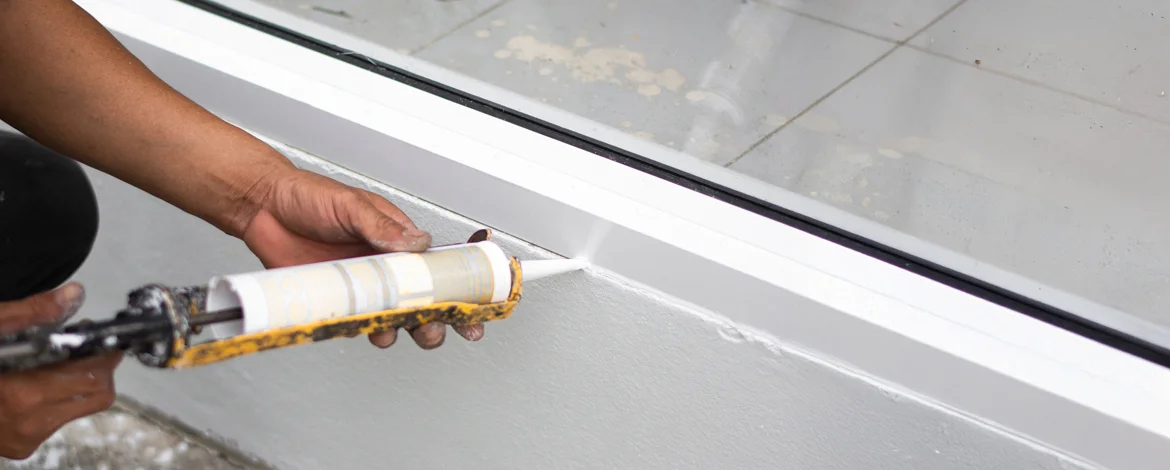
In situations where a permanent fix is not immediately possible, temporary measures can reduce drafts and provide quick energy savings. Plastic window insulation kits, which involve applying clear plastic film over the window frame, create a barrier against cold air infiltration. Draft stoppers or foam inserts can also be used for quick blockage of air leaks. Although not a long-term solution, these approaches can help lower heating bills during severe weather or while awaiting professional repairs.
Additional Strategies to Maximize Energy Savings
Upgrading to Energy-Efficient Windows
Sometimes, persistent air leaks and high energy costs signal that it may be time to replace older windows with energy-efficient models. Modern windows feature improved sealing technologies, multiple panes with inert gas fills, and low-emissivity coatings that significantly reduce heat loss. While the initial investment can be substantial, energy-efficient windows offer long-term savings on heating bills and improve overall comfort inside the home.
Complementary Insulation Improvements
Sealing windows alone may not be enough to optimize heating efficiency if other parts of the home are poorly insulated. Enhancing insulation in walls, attics, and floors complements air leak repairs by reducing heat transfer. Adding thermal curtains or insulated window treatments can also help retain warmth during colder months. Combining window sealing with broader insulation upgrades provides a comprehensive approach to lowering heating expenses.
Monitoring and Maintaining Seals Over Time
Signs That Seals Need Repair or Replacement
Even well-applied caulking and weatherstripping degrade over time due to exposure to temperature fluctuations and moisture. Signs that seals require attention include visible cracks, gaps, or peeling materials around window frames, drafts felt when windows are closed, or increased condensation between panes. Early detection of seal failure prevents heat loss and the need for more extensive repairs later on.
Regular Check-Ups to Keep Heating Bills Low
Routine maintenance is essential to sustaining energy efficiency. Conduct seasonal inspections before the onset of cold weather to identify and address new leaks promptly. Keeping seals clean and free from damage prolongs their effectiveness. By maintaining a proactive approach, homeowners can preserve a comfortable living environment and avoid unexpected spikes in heating costs year after year.