


Introduction to Quick Home Workouts
Benefits of Short, Equipment-Free Sessions
Starting a workout routine at home without any equipment can seem daunting, but short, focused sessions have numerous advantages. Not only do they fit easily into a busy schedule, but they also reduce the intimidation factor often associated with longer workouts or complex gym equipment. A 20-minute session is enough to boost your energy, improve cardiovascular health, and build strength gradually. Additionally, exercising without equipment encourages using your body weight, which can minimize injury risks and improve functional fitness.
Who This Routine Is For
This beginner-friendly workout is designed for individuals new to exercise or those returning after a break. It’s particularly suitable for people who want to enhance their fitness at home without investing in equipment or gym memberships. Whether you have limited space, a busy lifestyle, or prefer low-impact routines, this approach offers a manageable starting point to build consistency and confidence.
Preparing for Your 20-Minute Workout
Setting Up Your Space
Before beginning, organizing a safe, comfortable workout area is essential. Choose a spot with enough room to move freely, ideally with a non-slip surface. Clear away any furniture or obstacles to prevent accidents. Natural light or a fan for ventilation can make the environment more inviting. Having a dedicated space helps mentally prepare you for exercise and reduces distractions.
Key Warm-Up Exercises
A proper warm-up primes your body by increasing blood flow and easing muscles into action, which is crucial to avoid injury. Start with gentle movements like marching in place or arm circles to gently elevate your heart rate. Follow this with dynamic stretches targeting major muscle groups, such as leg swings or torso twists. This preparation sets a solid foundation for the more intense exercises ahead.
Designing a Balanced Routine
Incorporating Cardio, Strength, and Flexibility
A well-rounded workout incorporates elements of cardiovascular fitness, strength building, and flexibility. Cardio exercises like jumping jacks or high knees elevate your heart rate and encourage calorie burn. Bodyweight strength moves such as squats, lunges, or modified push-ups develop muscle endurance without strain. Finally, flexibility exercises improve range of motion and reduce muscle stiffness, making each session holistic and effective.
Sample Exercise List with Modifications
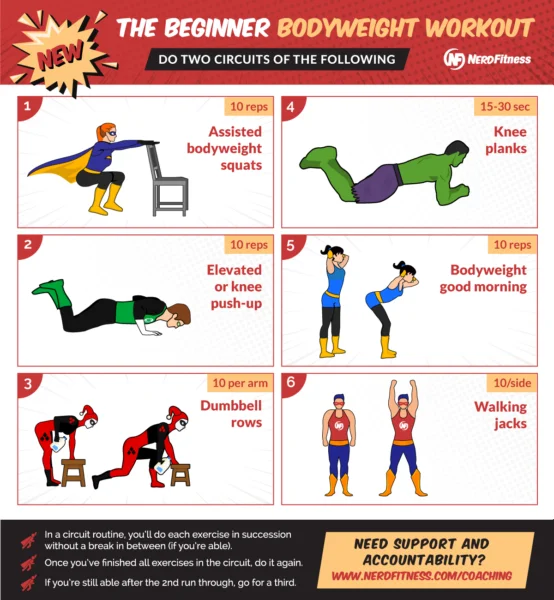
Begin with simple exercises that can be easily adjusted based on your fitness level. For instance, wall push-ups provide upper body engagement with less pressure, while traditional push-ups offer a tougher challenge. Squats can be assisted by holding onto a stable surface for support if balance is an issue. Including variations ensures you can progress safely and prevents boredom.
Step-by-Step Guide to the Workout
Minute 0-5: Warm-Up and Mobility
Start your 20-minute session by gradually raising your heart rate through activities like marching or light jogging in place. Incorporate mobility drills such as hip circles or shoulder rolls to loosen joints. This phase should be gentle yet purposeful, awakening your body without taxing it prematurely.
Minute 6-15: Main Workout Circuit
Move into a circuit combining cardio, strength, and flexibility exercises. For around 30 seconds per move, alternate between jumping jacks, squats, and a modified push-up. Allow rest intervals to listen to your body. Repeat this cycle two to three times, adapting intensity as needed. This focused burst builds endurance and strength while maintaining engagement.
Minute 16-20: Cool Down and Stretching
Conclude your workout by slowing your pace with gentle walking or breathing exercises to help your heart rate return to normal. Follow with static stretches concentrating on muscles worked earlier, like hamstrings or shoulders. Proper cooldown promotes recovery and decreases soreness, leaving you refreshed.
Tips for Staying Consistent and Motivated
Tracking Progress Without Equipment
Since there’s no gym gear involved, measuring progress requires alternative methods. Keep a workout journal noting your reps, sets, or how you feel after each session. Taking photos or timing your circuits can also highlight improvements. These tangible markers encourage accountability and provide motivation on days when enthusiasm dips.
Adapting the Routine as You Improve
As your fitness improves, adjust the exercises to avoid plateaus. Increase the duration of each exercise or add more repetitions to challenge your muscles. Introducing variations that engage different muscle groups keeps the workout fresh. Remember, gradual progress is key to sustainability and preventing injury.