


Understanding Morning Pages: A Creative Tool
Origin and Purpose of Morning Pages
Morning Pages, a concept introduced by Julia Cameron in her book “The Artist’s Way,” is a simple yet powerful practice designed to unlock creativity and promote mental clarity. The idea revolves around writing three pages of longhand, stream-of-consciousness thoughts every morning. The purpose is not to produce polished writing but to clear the mind of clutter, worry, and distraction, paving the way for inspiration and creativity to flourish.

How Morning Pages Influence the Mind
When the mind is overwhelmed with unorganized thoughts, creative output and productivity often falter. Morning Pages serve as a mental purge, allowing the subconscious to surface and untangle the noise that inhibits clear thinking. This process calms anxiety and self-doubt, which are frequent culprits in creative blocks. By capturing raw thoughts early in the day, the writer creates mental space to focus on meaningful work, increasing both clarity and motivation.
Step-by-Step Guide to Starting Morning Pages
Setting Up Your Morning Routine
Many struggle to establish a consistent morning routine, which is essential for Morning Pages to be effective. The main obstacle is often a rushed or chaotic start to the day that leaves no time for writing. To counter this, carve out at least 20-30 minutes shortly after waking. Choose a quiet, comfortable spot free from distractions. Having a dedicated notebook and pen ready will lower the resistance to beginning the practice. Remember, the key is to write daily, even if it feels challenging at first.
Techniques for Writing Effectively
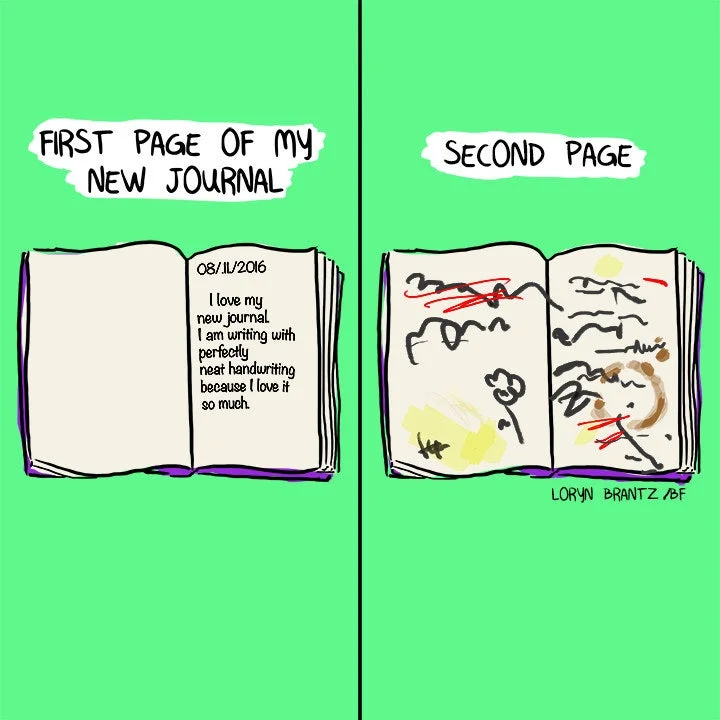
Writing Morning Pages is less about technique and more about honesty and flow. Avoid overthinking grammar, spelling, or coherence. The goal is to write whatever comes to mind without censoring or editing. This uncensored approach helps reveal hidden fears, desires, and ideas that might otherwise remain suppressed. It’s also beneficial to resist the temptation to revisit or critique these pages immediately; instead, see them as a private dialogue with yourself, free from judgment.
Morning Pages and Creative Blocks
Identifying Creative Blocks
Creative blocks manifest as feelings of frustration, self-doubt, or a complete lack of ideas. Often, they stem from internal pressures or negative self-talk that paralyzes the creative process. Stress and distractions can further compound these blocks, making even the simplest tasks feel overwhelming. Recognizing these signs early is crucial because persistent creative blocks lead to procrastination and reduced productivity.
How Morning Pages Help Break Mental Barriers
Morning Pages work as a tool to disrupt the cycle of creative paralysis by allowing suppressed thoughts and emotions to surface and be let go. Through daily writing, individuals externalize worries and negative beliefs, reducing their hold on the mind. This act of release diminishes mental clutter and opens pathways for new ideas to emerge. Over time, practitioners often find that Morning Pages help them confront fears and foster a more playful, experimental approach to creativity.
Enhancing Daily Productivity Through Morning Pages
Building Consistency and Discipline
One challenge in boosting productivity is maintaining consistent habits that support focus and creativity. Morning Pages, practiced daily, build discipline by establishing a non-negotiable start to the day centered on self-reflection. This routine encourages a mindset ready to tackle tasks with intention. By committing to the practice, individuals develop resilience against procrastination and sharpen their ability to prioritize important work.
Tracking Progress and Reflecting on Growth
While Morning Pages are meant for free expression, periodically reflecting on past entries can reveal patterns, growth areas, and emerging ideas. This reflection promotes self-awareness, helping individuals understand their creative processes better and identify factors that enhance or hinder productivity. Tracking progress reinforces motivation, showing tangible evidence of creative evolution and the effectiveness of the practice over time.
Case Studies and Success Stories
Artists and Writers Who Swear by Morning Pages
Many prominent creatives credit Morning Pages for breaking through tough creative ruts. Writers report how this ritual helps overcome procrastination and self-criticism, resulting in more fluid storytelling. Visual artists describe increased mental clarity that translates into bolder, more original work. These testimonials highlight the practical impact Morning Pages have across various creative fields, validating its role as an accessible and effective tool.
Scientifically Backed Benefits
Recent studies support the psychological benefits of expressive writing such as Morning Pages. Writing exercises that encourage free expression can reduce stress, improve mood, and enhance cognitive functioning. This aligns with observed improvements in mental clarity and productivity among Morning Pages practitioners. Neuroscience suggests that unloading persistent worries through writing lowers activation in brain areas linked to anxiety, thus freeing up cognitive resources for creative thinking.
Tips for Maintaining Motivation and Overcoming Challenges
Dealing with Resistance and Writer’s Block
Resistance often arises due to fear of judgment or the misconception that Morning Pages need to be “good.” This mental barrier can stall the practice before it starts. A practical way to overcome this is to remind yourself that Morning Pages are private, not meant for anyone else’s eyes. Writing with total freedom reduces pressure and shifts focus back to the process rather than the outcome. If writer’s block occurs, simply write about the block itself, acknowledging frustration without pressure to produce anything specific.
Incorporating Morning Pages into Busy Schedules
For those with packed mornings, finding time to write can seem impossible. However, Morning Pages can be flexible in timing and format. If mornings are hectic, try writing during a lunch break or right before bed to achieve similar mental clarity benefits. Using digital apps or voice-to-text tools can save time while maintaining the habit. The critical factor is consistency, not timing. Even shorter daily sessions impact creativity positively when done regularly.