


Understanding the Importance of Digital Detox After Work
Impact of Excessive Screen Time on Health and Productivity
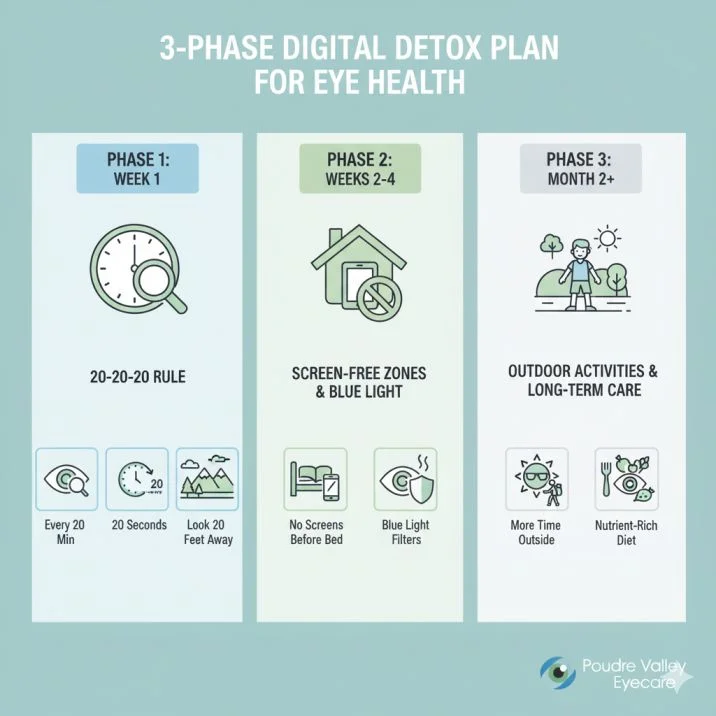
Spending too much time in front of screens after work can lead to a range of health issues including eye strain, headaches, and disrupted sleep patterns. The blue light emitted by devices interferes with the body’s natural circadian rhythm, making it difficult to fall asleep and get restful rest. Beyond physical health, excessive screen time also hampers productivity by causing mental fatigue and reducing focus, which can carry over to the following workday. Without proper breaks from digital exposure, stress levels tend to rise, leaving individuals feeling overwhelmed and less effective in their daily tasks.
Psychological Benefits of Reducing Digital Exposure
Stepping away from screens after work helps improve mental clarity and emotional well-being. Reducing digital stimuli allows the brain to decompress and transition from work-related stress to relaxation. People often report feeling more present, less anxious, and better able to enjoy personal time when they limit screen use. This psychological reset fosters stronger relationships and encourages deeper engagement with the real world, ultimately contributing to a healthier balance between professional and personal life.
Effective Techniques to Limit Screen Time Post-Work
Setting Clear Digital Boundaries and Schedules
The root cause of excessive screen time after hours is often a lack of boundaries, where work bleeds into personal time through constant notifications and easy access to devices. Establishing clear schedules, such as designating specific “screen-free” hours, can effectively reduce this overuse. Turning off non-essential notifications and setting device curfews prompt better discipline. For example, deciding that no work emails will be checked after 7 PM creates a mental boundary and reduces the temptation to stay online indefinitely.
Engaging in Offline Hobbies and Social Activities
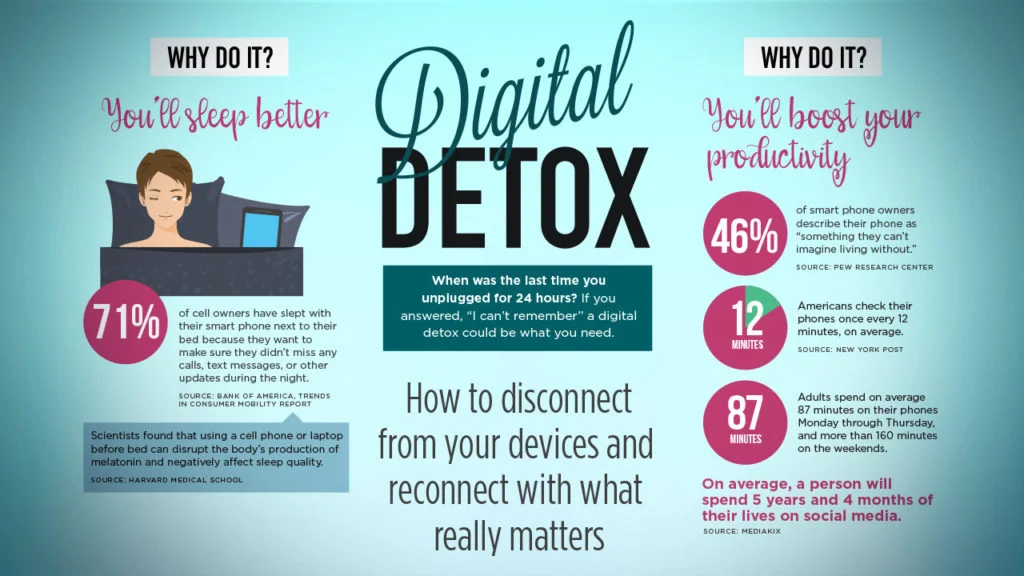
Another common reason people fall into excessive screen use is the absence of compelling alternatives. Filling free time with meaningful offline activities can naturally curtail screen dependency. Pursuing hobbies like reading, cooking, or exercising provides a refreshing change of pace that keeps the mind and body engaged. Equally important is spending quality time with loved ones, which strengthens social bonds and offers emotional satisfaction that screens simply cannot replicate.
Utilizing Technology to Control Technology: Apps and Settings
It may seem paradoxical, but technology itself can assist in managing screen time. Many devices now feature built-in tools to monitor and limit usage. For instance, setting app limits or using “do not disturb” modes can prevent excessive time spent on distracting platforms. Additionally, digital wellbeing apps offer detailed reports to help users understand their habits and encourage gradual reductions. By using technology deliberately, individuals regain control rather than being controlled by it.
Creating a Supportive Environment for Digital Detox
Organizing Physical Spaces to Encourage Screen-Free Time
The setup of one’s environment often influences behavior significantly. Cluttered desks with multiple devices readily available invite prolonged use. Creating designated “tech-free zones” such as the dining area or bedroom helps reinforce healthy habits. Organizing spaces to be inviting for offline activities — like a cozy reading nook or a board game table — encourages individuals to spend more time away from screens. Such physical cues serve as subtle yet powerful reminders to disconnect.
Communicating Boundaries with Family and Friends
Digital detox efforts can be undermined if those around us are unaware or unsupportive of our goals. Clearly communicating intended screen-free times to family and friends sets expectations and garners cooperation. When others respect these boundaries, it reduces social pressure to respond instantly to messages or calls. Establishing these norms fosters a supportive network that reinforces healthier digital habits and makes maintaining them less challenging.
Measuring Progress and Staying Motivated
Tracking Screen Time – Tools and Techniques
Without tracking, it is easy to underestimate screen exposure and lose sight of goals. Utilizing screen time tracking tools provides concrete data on usage patterns and highlights specific problem areas. This transparency motivates change by turning abstract intentions into measurable progress. Setting achievable milestones based on tracking results allows for steady improvement, helping individuals celebrate small victories and stay committed to reducing screen use.
Reward Systems and Accountability Partners
Maintaining motivation can be difficult when progress feels slow or inconsistent. Establishing reward systems—such as treating oneself to a special activity after meeting screen time goals—creates positive reinforcement. Additionally, sharing goals with an accountability partner adds a layer of commitment. Regular check-ins encourage persistence, while knowing someone else is invested in your success reduces the likelihood of relapse into old habits.
Long-Term Strategies for Sustainable Digital Wellness
Integrating Mindfulness and Meditation Practices
One of the underlying causes of excessive screen time after work is often mindless scrolling or using devices as an escape from stress. Incorporating mindfulness and meditation into daily routines cultivates greater self-awareness and emotional regulation. These practices encourage intentional decision-making about when and how to use technology, reducing impulsive device checking. Over time, mindfulness creates a foundation for more balanced digital consumption and overall wellbeing.
Developing a Healthy Relationship with Technology
Ultimately, sustainable digital wellness requires a shift in how technology is perceived and used. Viewing devices as tools rather than sources of constant entertainment allows for more purposeful engagement. This involves recognizing both the benefits and downsides of digital use and establishing personal guidelines that align with individual values and goals. By fostering respect and intentionality around technology, people can enjoy its advantages without sacrificing their health, productivity, or personal life quality.