


Introduction to Sugar Cravings
What Causes Sugar Cravings?
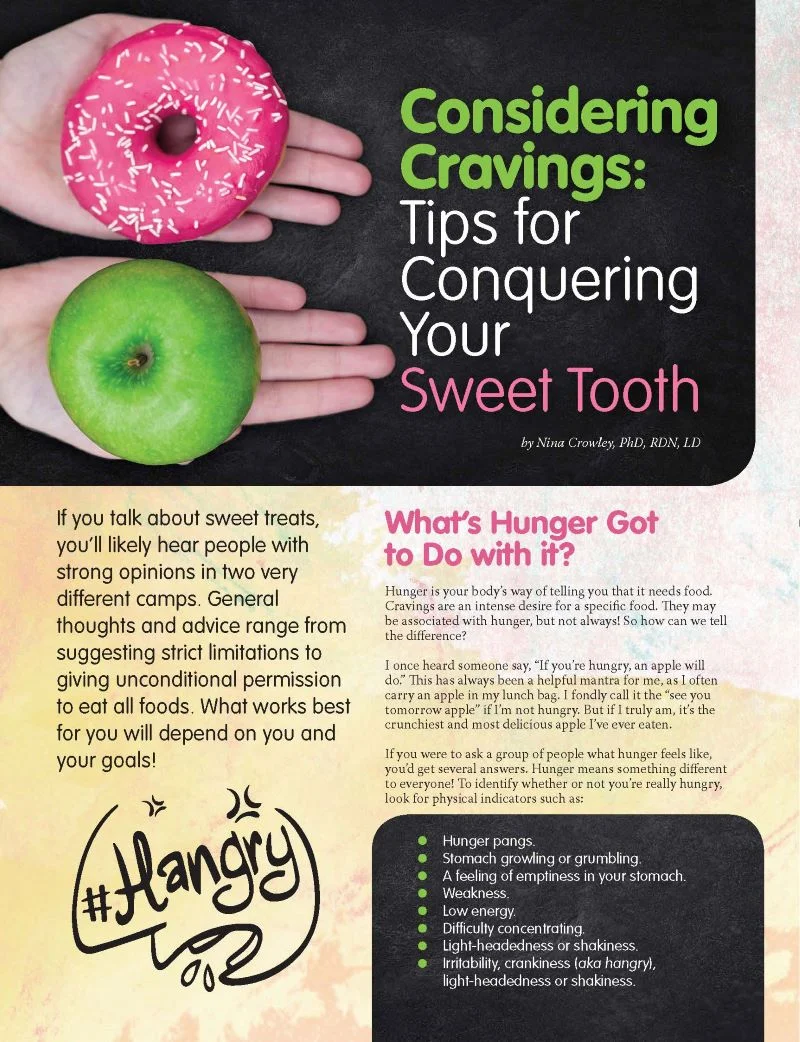
Sugar cravings are a common experience that many people face daily. These cravings can feel intense and difficult to resist, often leading to unplanned snacking or overconsumption of sweet foods. The root cause of sugar cravings typically involves a combination of physiological and psychological factors. Blood sugar levels that dip too low trigger the brain to seek quick energy sources, with sugar being the fastest accessible fuel. Additionally, emotional states like stress or boredom can amplify these cravings, as the brain associates sweetness with comfort and reward.
The Science Behind Sweet Tooth
At a biological level, sugar stimulates the release of dopamine in the brain, a neurotransmitter linked to pleasure and reward. This process explains why sugary foods provide a temporary mood boost but can also lead to repetitive cravings. However, sugar craving is not simply an addiction; instead, it is often a response to how the body regulates energy and mood. Understanding this science helps us approach sugar cravings with empathy rather than judgment, opening the door to more effective management strategies.
Common Misconceptions About Sugar Cravings
Myth 1: Sugar Cravings Always Mean Addiction
Many people assume sugar cravings are a sign of addiction, similar to substances like nicotine or alcohol. This misconception can lead to unnecessary guilt or harsh self-restrictions. The truth is that cravings often arise from habitual patterns, emotional triggers, or nutritional imbalances rather than chemical dependency. Recognizing this distinction allows for more practical interventions rather than extreme avoidance.
Myth 2: Sugar Is the Main Cause of Weight Gain
While excessive sugar intake can contribute to weight gain, it is overly simplistic to blame sugar alone. Weight gain results from an overall imbalance between calories consumed and calories burned, not just sugar consumption. Moreover, other dietary factors and lifestyle habits play significant roles. Focusing exclusively on sugar can distract from broader nutritional improvements and sustainable habits.
Debunking Popular Sugar-Related Myths
Beyond addiction and weight gain, other myths about sugar include the idea that natural sugars are harmless in any amount or that all artificial sweeteners are safe substitutes. These misconceptions can lead to poor dietary choices. It is essential to evaluate sugar intake within the broader context of diet quality, portion control, and individual health conditions rather than relying on simplified beliefs.
Practical Approaches to Manage Sugar Cravings
Identifying Your Triggers
The first step in managing sugar cravings is identifying what specifically triggers them. Triggers can be emotional, environmental, or physiological. For example, stress or tiredness may prompt a craving for sugary comfort foods, while habitual patterns like reaching for dessert after meals create automatic responses. Keeping a journal to track when cravings occur and the circumstances around them can reveal patterns and allow targeted strategies to reduce their impact.
Healthy Snack Alternatives
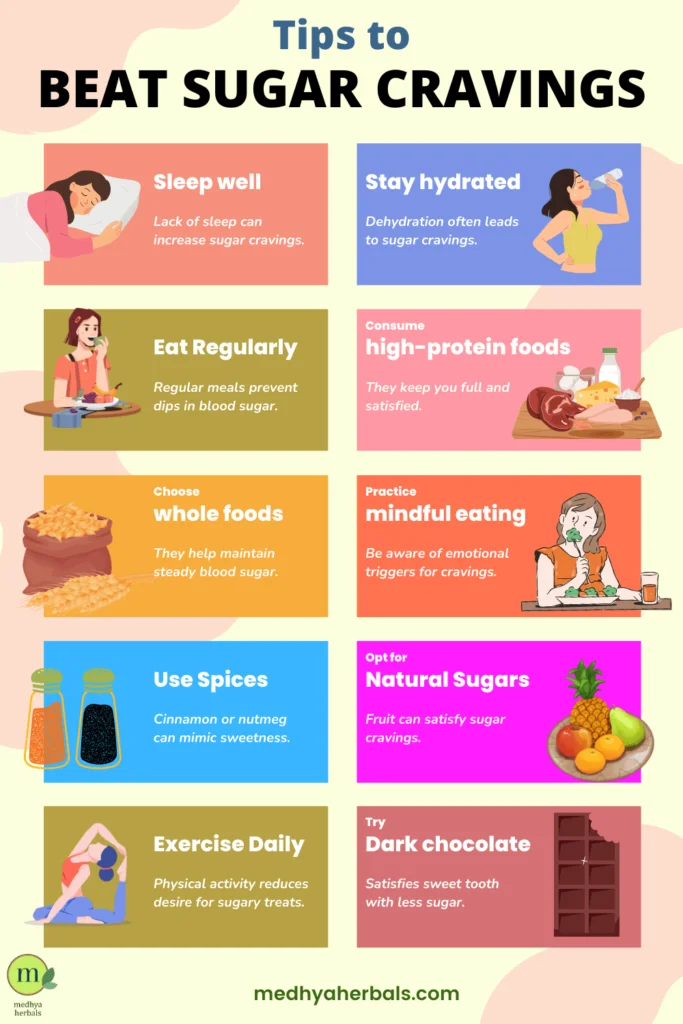
Replacing high-sugar options with healthier snacks can satisfy sweet cravings without causing blood sugar spikes. Fresh fruits like berries or apples provide natural sweetness along with fiber and nutrients. Nuts and yogurt can also help reduce cravings by stabilizing blood sugar and supporting satiety. Planning ahead by having these options available limits impulsive sugary indulgences.
The Role of Hydration and Sleep
Dehydration and lack of sleep are often overlooked contributors to sugar cravings. When the body is dehydrated, it can send signals similar to hunger, prompting the search for quick energy. Likewise, insufficient sleep disrupts hormones that regulate appetite, increasing the likelihood of craving sugary foods. Prioritizing adequate water intake and quality rest can significantly reduce the intensity and frequency of cravings.
Physical Activity as a Craving Suppressant
Engaging in regular physical activity helps regulate blood sugar levels and reduces stress, both of which diminish sugar cravings. Exercise releases endorphins, which elevate mood naturally, decreasing the need to seek pleasure through sweets. Even short walks or stretching can create a calming effect that alleviates the urge to snack on sugary treats.
Creating a Balanced Diet to Reduce Cravings
Incorporating Protein and Fiber
Diets low in protein and fiber often leave individuals feeling hungry more quickly, increasing the likelihood of reaching for sugary snacks. Protein helps stabilize blood sugar by slowing digestion, while fiber supports fullness and gut health. Including lean meats, legumes, whole grains, and plenty of vegetables ensures more sustained energy release and fewer sudden cravings.
Mindful Eating Techniques
Mindful eating involves paying attention to hunger cues, eating slowly, and savoring each bite. This practice reduces impulsive eating by increasing awareness of when hunger is true versus emotional or habitual. Mindfulness also encourages better portion control and appreciation for food, helping break the cycle of repetitive sugar cravings driven by distraction or boredom.
When to Seek Professional Help
If sugar cravings feel overwhelming and interfere with daily life, or if attempts to manage intake repeatedly fail, seeking professional guidance may be necessary. Healthcare professionals such as dietitians or therapists can assess underlying causes, including nutritional deficiencies or emotional factors, and develop personalized strategies. Professional support ensures a balanced approach that addresses both physical and psychological aspects without reinforcing guilt or shame.