


Introduction to Apartment Noise Challenges
Living in an apartment often means contending with unwanted noise from neighbors, street traffic, or shared spaces. This constant background noise can disrupt sleep, hinder concentration, and impact overall comfort. Unlike houses, apartments generally provide limited control over external sound sources, making effective noise management essential for a peaceful living environment. Fortunately, many soundproofing solutions don’t require professional installation or expensive materials—they can be achieved using items commonly found around the home.
Understanding Soundproofing Basics
How Sound Travels in Small Spaces
Sound travels in waves, moving through air and solid materials alike. In small apartments, sound can easily pass through thin walls, floors, doors, and even small gaps around windows. Because apartments often share walls and ceilings with neighbors, sound can seep in via vibrations or direct air gaps. Understanding that sound doesn’t just travel in a straight line but also wraps around or penetrates barriers helps explain why even minor openings can result in significant noise intrusion.
Key Concepts: Absorption, Blocking, and Dampening
Effective soundproofing involves three primary concepts: absorption, blocking, and dampening. Absorption refers to materials that soak up sound waves, reducing echo and reverberation within a room. Blocking is about creating barriers that stop sound waves from passing through walls or doors. Dampening involves reducing vibrations that can carry sound through structural elements. Recognizing how each method works is vital for selecting the right approach or materials in your DIY soundproofing efforts.
Top Household Materials Effective for Noise Reduction
Using Blankets and Curtains Strategically
Thick blankets and heavy curtains can be surprisingly effective at absorbing sound, especially when placed over windows or bare walls. They help reduce echo and can block some noise from entering through glass, which tends to be a weak point in apartment soundproofing. By hanging blankets on a wall or draping curtains densely, you create layers that slow down sound transmission. For improved results, consider layering multiple fabrics or pairing curtains with window sealants.
Repurposing Rugs and Mats in Soundproofing
Floors often contribute to noise via footsteps or vibrations transmitted through structure. Placing rugs or mats on hardwood or tile floors can cushion these sounds and absorb impact noise. Using multiple rugs especially helps when they cover large surface areas or extend under noisy furniture. Additionally, wall-to-wall carpets, where possible, can significantly cut down on noise bouncing inside an apartment, creating a quieter atmosphere.
Foam and Cushioning Alternatives Found at Home
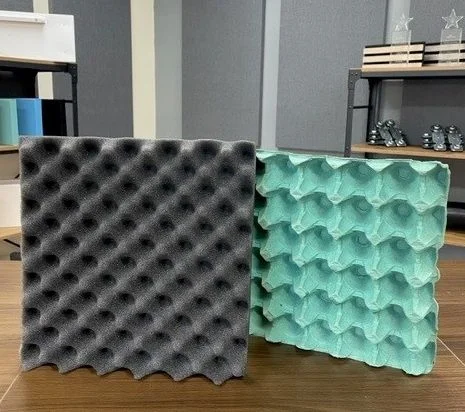
While specialized acoustic foam is a popular option, household items like cushions, pillows, or even egg cartons can serve as makeshift sound-absorbing materials. Although egg cartons don’t actually block sound effectively by themselves, their shape can scatter sound waves and reduce echoes. Couch cushions or foam mattresses layered against thinner walls can add mass and absorb vibrations. These simple alternatives offer affordable ways to experiment with sound reduction without buying new products.
Step-by-Step DIY Soundproofing Hacks
Seal Gaps and Cracks on Doors and Windows
One of the most overlooked sources of noise leakage is the gaps around doors and windows. Start by inspecting these areas carefully to identify any holes or cracks. Use weatherstripping tape, rolled-up towels, or draft stoppers to seal gaps at the bottom of doors. For windows, apply removable caulking strips or use thick fabric to block air passages. This step alone can dramatically reduce ambient noise entering from outside or neighboring units.
Create Temporary Sound Barriers with Furniture

Another practical hack is rearranging heavy furniture to act as sound barriers. Placing bookshelves, wardrobes, or couches against shared walls can add a layer of mass that dampens noise transmission. If possible, fill bookshelves with dense items like books or folders, which contribute to better sound blocking. Even positioning a thick, upholstered headboard against a noise-prone wall can buffer sound for improved tranquility.
Constructing a DIY Soundproof Panel Using Household Items
For those willing to invest a bit more effort, creating a soundproof panel is an effective project. Start with a wooden frame or sturdy cardboard and cover it with layers of fabric, blankets, or foam padding found at home. Secure these materials tightly to avoid gaps, then mount the panel on a noisy wall using removable hooks or brackets. This panel acts as a modular, movable sound absorber that can be adjusted or relocated as needed.
Optimizing Your Apartment Layout for Less Noise
Furniture Placement to Minimize Noise Exposure
Thoughtful placement of furniture plays a subtle but important role in sound management. Position your bed or seating areas away from common noise sources like windows or thin walls. Swap locations within rooms to test where noise levels feel lower. The added bulk of furniture near noise-prone walls can function as natural sound barriers, making the space feel quieter without additional materials.
Plants and Decorative Items that Absorb Sound
Beyond furniture, certain decorative elements can enhance sound absorption. Plants with dense foliage work well to disrupt sound waves, and their natural texture softens ambient noise. Additionally, wall hangings, tapestries, and even thick picture frames contribute to breaking up sound reflections. Incorporating these items into your decor provides an aesthetic and functional benefit by subtly improving the room’s acoustics.
Cost Breakdown and Time Investment
Budgeting for Materials You Already Own
The beauty of DIY soundproofing in apartments lies in using what you already have. Items like blankets, pillows, rugs, and household foam often require no additional investment. Weatherstripping and tape can be inexpensive options if purchased, and repurposing furniture costs nothing extra. By leveraging existing materials, you can keep soundproofing efforts budget-friendly while still achieving noticeable improvements.
Estimating Time Required for Each Hack
Time commitments vary depending on the complexity of each hack. Simple tasks like sealing door cracks or rearranging furniture can take less than an hour. Constructing DIY panels or layering window treatments might require a few hours spread over a day or weekend. Planning ahead lets you allocate time efficiently and ensures a manageable, step-by-step approach rather than an overwhelming project.