


Understanding the Need for a Decluttering Schedule
Why Busy Families Struggle with Clutter
Busy families often face a constant influx of belongings, activities, and responsibilities. Between work, school, and extracurriculars, finding time to organize can seem impossible. This results in clutter accumulating quickly, making homes feel chaotic and overwhelming. Without a clear plan, clutter only grows, impacting daily routines and increasing stress levels.
Benefits of a Structured Decluttering Plan
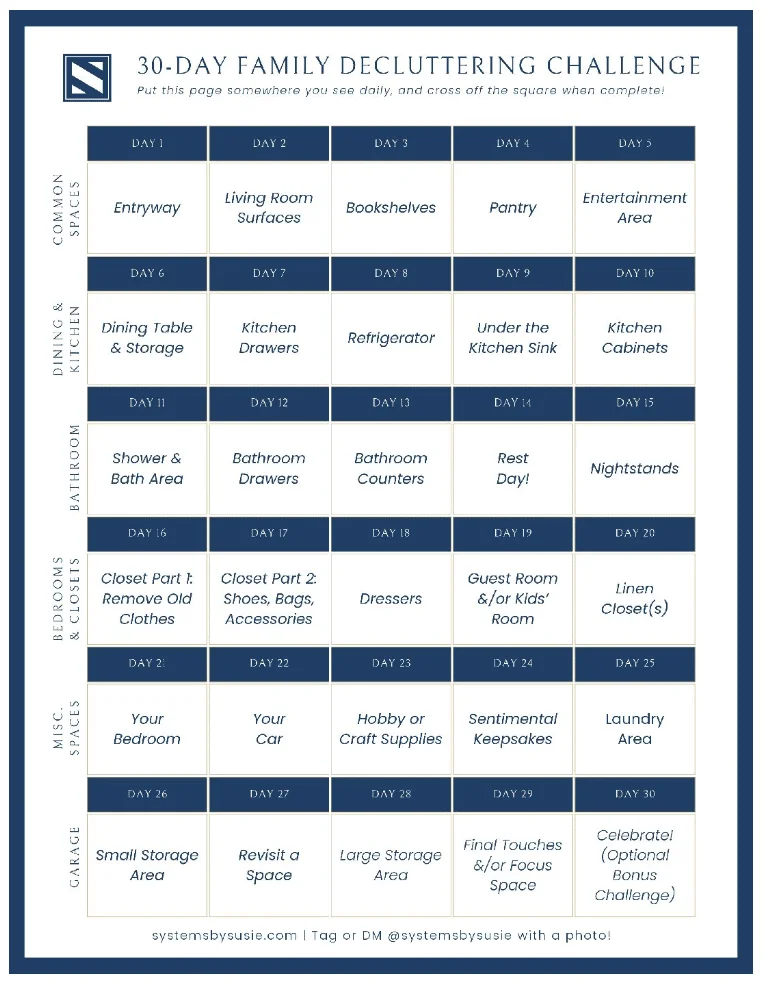
A structured decluttering schedule brings order to the chaos. It allows families to break down the task into manageable parts, reducing overwhelm. Regular sessions prevent clutter buildup and create a more peaceful living environment. Plus, involving everyone fosters teamwork and shared responsibility, making upkeep easier over time.
Assessing Your Family’s Unique Decluttering Challenges
Identifying Clutter Hotspots in the Home
Every home has areas where clutter tends to gather—kitchens, entryways, kids’ rooms, or home offices. Identifying these hotspots is crucial for targeted decluttering. Observing when and where clutter accumulates helps prioritize spaces that need the most attention, making the schedule more effective and focused.
Evaluating Family Members’ Schedules and Preferences
Understanding each family member’s availability and tidying habits can shape a realistic schedule. Some may prefer decluttering in short bursts, while others want longer sessions. Balancing these preferences with work, school, and leisure activities ensures the plan fits seamlessly into daily life, increasing the likelihood of consistency.
Step-by-Step Guide to Designing Your Decluttering Schedule
Setting Realistic Goals and Priorities
Start by defining clear, achievable goals. Focus on one room or type of item at a time. Prioritize based on clutter severity and family needs. Setting small milestones prevents burnout and provides a sense of accomplishment that keeps motivation high.
Choosing the Best Frequency for Decluttering Sessions
Frequency varies by family dynamics, but a balance of daily mini-tasks and weekly focused sessions works well. Daily habits handle quick tidying, while weekly slots tackle deeper organization. Adjust frequency as needed to maintain progress without causing fatigue.
Assigning Tasks Based on Age and Ability
Distributing tasks equitably encourages participation. Young children can handle simple activities like sorting toys, while older kids and adults take on more complex chores. Matching duties with skills ensures efficiency and teaches responsibility across all ages.
Incorporating Decluttering into Daily and Weekly Routines
Quick Daily Habits to Maintain Order
Integrate small habits such as sorting mail immediately, putting away laundry, or clearing kitchen counters after meals. These simple actions prevent clutter from piling up and keep spaces more manageable between major sessions.
Planning Longer Weekly Decluttering Sessions
Designate a consistent time each week for deeper decluttering activities. Use this period to organize closets, donate unused items, or clean neglected areas. Establishing a routine makes these sessions predictable and less intrusive, helping everyone stay on board.
Tools and Techniques for Staying Organized
Using Calendars and Apps to Track Progress
Modern tools make scheduling and accountability easier. Shared digital calendars or chore apps can remind family members of tasks and track completion. Visual progress keeps motivation high and helps adjust the plan as needed without confusion.
Effective Storage Solutions to Support Decluttering
Decluttering is more successful when paired with practical storage options. Clear bins, labeled containers, and dedicated spaces for frequently used items reduce mess and simplify finding belongings. Thoughtful storage minimizes future clutter build-up.
Motivating the Whole Family to Stay on Track
Creating Incentives and Rewards
Incentives boost enthusiasm and commitment. Simple rewards like a family movie night or a special treat after completing decluttering milestones can make the process enjoyable. Recognition of effort encourages ongoing participation.
Turning Decluttering into a Fun Family Activity
Transform chores into bonding opportunities. Play music, set timers for challenges, or celebrate progress together. Making decluttering playful shifts it from a dreaded task into a shared experience, strengthening family connections while creating order.