


Understanding the Importance of Stretching for Desk Workers
How Prolonged Sitting Affects Posture
Sitting for extended periods is a common reality for many desk workers, yet it poses several challenges to maintaining good posture. When seated for too long without movement, muscles can become tight and imbalanced. The hips tend to flex in a shortened position, while the spine often rounds forward, leading to a slouched posture. Over time, these habitual positions can contribute to discomfort, stiffness, and even chronic postural issues.
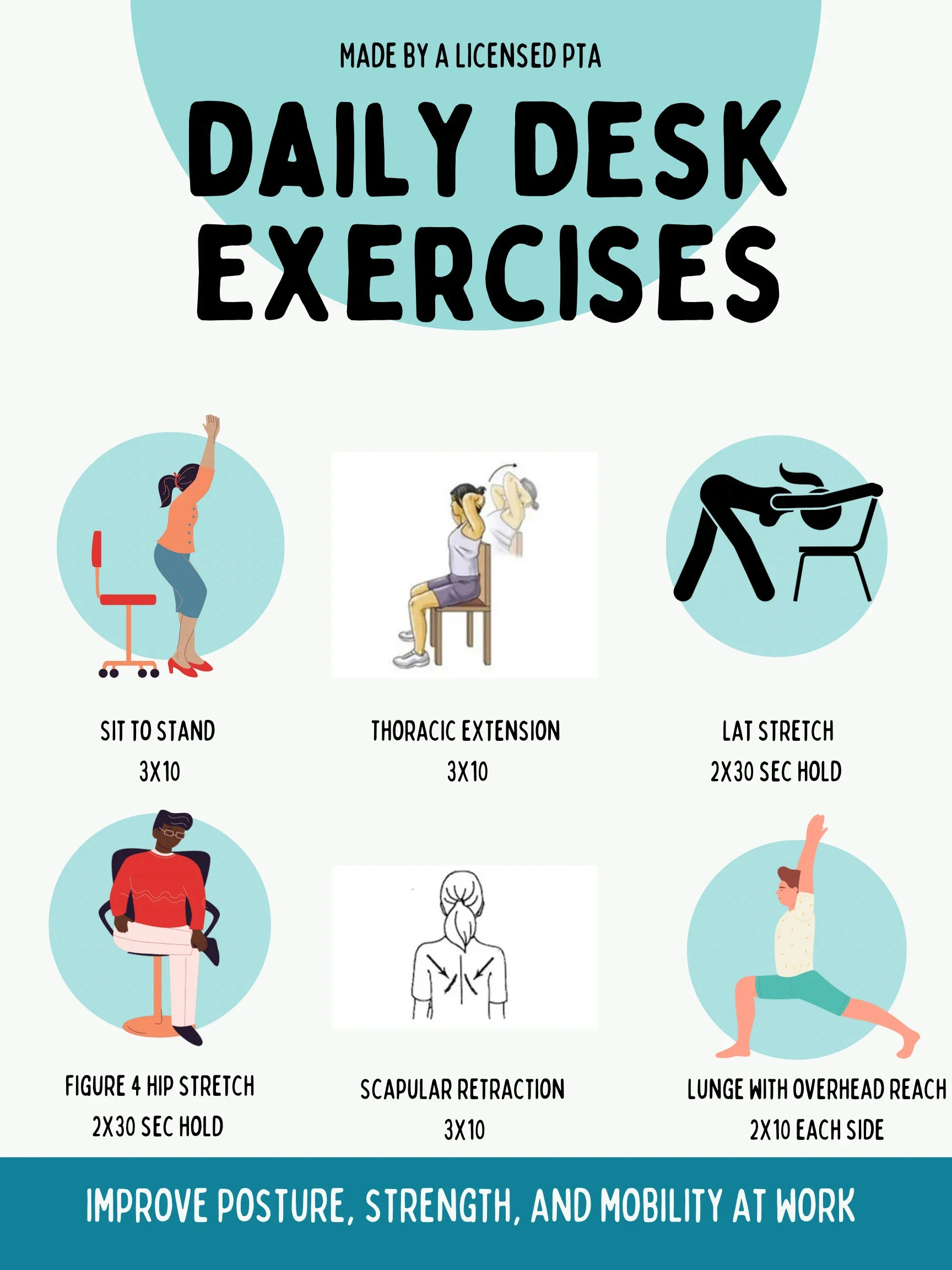
Recognizing how prolonged sitting affects the body is the first step toward making meaningful changes. The musculoskeletal system is designed for movement, and lack of it can cause certain muscles to weaken and others to tighten, disrupting natural alignment.
The Role of Stretching in Preventing Muscular Imbalances
Stretching plays a pivotal role in addressing the muscle imbalances caused by sedentary behavior. By actively elongating tight muscles, stretching helps restore flexibility and ensures that muscles maintain their proper length and function. This is essential to support proper posture and reduce tension in areas prone to stiffness, such as the neck, shoulders, hips, and lower back.
In addition to improving flexibility, regular stretching encourages blood circulation, which can alleviate muscle fatigue and enhance overall comfort during work hours. It acts as a preventive measure, reducing the risk of developing musculoskeletal problems associated with prolonged sitting.
Top Effective Stretching Exercises for Desk Workers
Neck and Shoulder Relief Stretches
Neck and shoulder tightness is a frequent complaint among desk workers. Gentle stretches targeting these areas can significantly reduce discomfort. Simple movements like side neck stretches, where you gently tilt your head toward one shoulder, help release tension. Shoulder rolls and cross-body arm stretches are also effective for loosening the muscles around the shoulder blades and upper back.
These stretches not only relieve stiffness but also encourage upright posture by counteracting the forward head position that often develops from leaning into a computer screen.
Spine and Back Mobility Exercises
Maintaining spinal mobility is critical for healthy posture. Desk workers can benefit from stretches that engage the entire back, such as seated spinal twists and cat-cow stretches performed while seated or standing. These movements help increase flexibility in the thoracic spine and lower back, areas commonly affected by sitting.
By promoting spinal extension and rotation, these stretches help roll back the effects of slouching and improve overall posture alignment.
Hip Flexor and Lower Body Stretches
The hips bear the brunt of prolonged sitting, often resulting in tight hip flexors. Stretching exercises such as a standing or seated hip flexor stretch help to counter this effect. Additionally, hamstring and calf stretches are important to maintain lower body flexibility and support posture.
Loosening these muscles aids in reducing strain on the lower back and helps maintain the pelvis in a neutral position, which is essential for proper sitting posture.
Step-by-Step Guide to Perform Each Stretch Correctly
Timing and Repetition Recommendations
For each stretch, it is crucial to ease into the position slowly and hold it without bouncing. Aim to hold each stretch for about 20 to 30 seconds, repeating two or three times. This duration allows muscles to relax and lengthen effectively. Moving gently into and out of each stretch minimizes the risk of strain or injury.

Consistency is key, so incorporating these stretches daily, especially at intervals throughout the workday, enhances their benefits. Taking time to stretch during natural breaks can make the practice sustainable and less disruptive to workflow.
Breathing Techniques to Enhance Stretching
Breathing plays an integral role in maximizing the effectiveness of stretching. Inhale deeply before beginning a stretch, then exhale slowly as you move into the position. Maintaining steady, controlled breathing helps relax muscles and increases oxygen flow, which supports muscle lengthening and reduces tension.
Focus on breathing evenly throughout the stretch, avoiding breath-holding, which can cause unnecessary muscle tightness. This mindful breathing approach also promotes relaxation, making stretching more enjoyable and effective.
Integrating Stretching into Your Workday Routine
Setting Reminders and Goals
Embedding stretching into a busy workday requires planning. Setting reminders on your phone or computer can prompt you to take short stretching breaks. Establishing goals, such as stretching every hour or during natural pauses in work, helps to build a consistent habit over time.
It’s helpful to view stretching breaks as opportunities for rejuvenation, rather than interruptions. This mindset adjustment encourages regular participation and improves adherence to the routine.
Stretching Breaks: Ideal Frequency and Duration
Taking brief stretching breaks every 45 to 60 minutes is generally effective for desk workers. Even a few minutes spent stretching can counteract the effects of prolonged sitting. Ideally, aim for three to five stretches targeting different muscle groups during each break, lasting about five minutes in total.
Short, frequent sessions tend to be more beneficial and sustainable than longer, infrequent stretches. This approach maintains muscle flexibility and reduces stiffness throughout the day.
Common Mistakes to Avoid When Stretching at the Desk
A frequent error is rushing through stretches or performing them without proper posture, which may reduce their effectiveness or lead to strain. It is also common to overstretch, pushing muscles beyond a comfortable range and causing discomfort. Stretching should never cause pain; if any sensation of sharp or intense pain arises, it is important to ease off immediately.
Another pitfall is neglecting the breathing component, as shallow or irregular breathing can increase muscle tension. Lastly, skipping regular stretching sessions because of perceived time constraints limits the benefits. Integrating short, manageable stretches consistently is preferable to infrequent, lengthy sessions.
Conclusion: Long-term Benefits of Consistent Stretching for Desk Workers
Regular stretching offers desk workers a practical way to combat the negative effects of prolonged sitting, promoting better posture and muscle balance. Over time, consistent stretching can reduce discomfort, improve flexibility, and enhance overall well-being. By adopting a mindful and structured approach to stretching throughout the workday, desk workers can support a healthier, more comfortable work experience.
Ultimately, investing a few minutes daily to stretch encourages a more active and balanced lifestyle, reinforcing the body’s natural alignment and resilience against the challenges posed by sedentary work environments.