


Understanding Dryness and Flakiness in Skin
What Causes Dry and Flaky Skin?
Dry and flaky skin is a common issue, particularly during colder months or in dry climates. The root cause often lies in the skin’s inability to retain moisture, leading to dehydration. This can result from several factors including harsh weather, over-washing, using inappropriate skincare products, or even underlying health conditions. When the skin barrier is compromised, it fails to lock in hydration, causing the surface to become dry, rough, and prone to flaking.
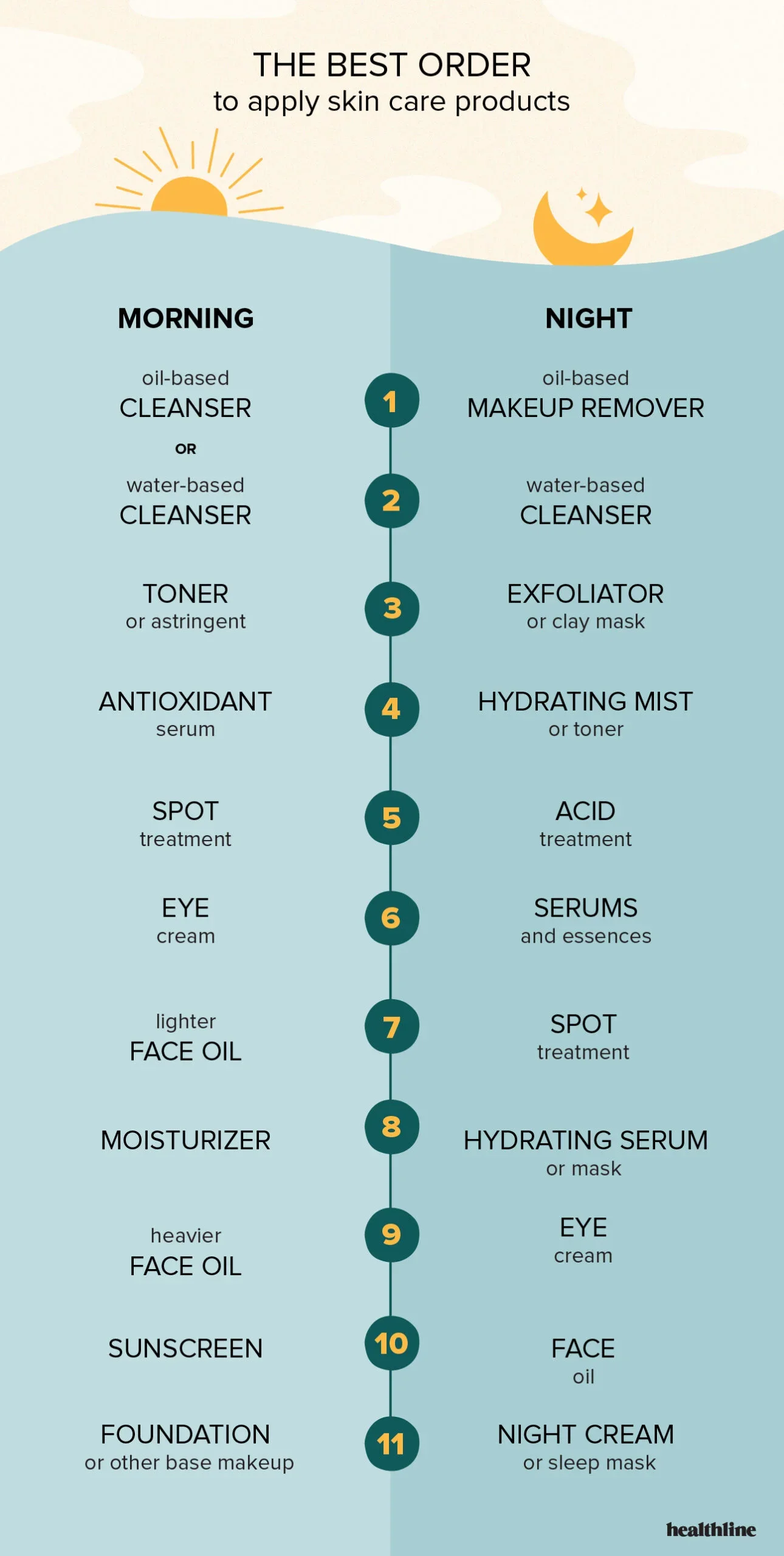
Signs to Watch For in the Evening
The evening is when skin often reveals signs of dryness more clearly. You might notice tightness, rough patches, or visible flakes after removing makeup or cleansing. These symptoms indicate that your skin has lost moisture throughout the day and needs focused care to restore its balance. Ignoring these signs can exacerbate dryness, leading to discomfort and irritation.
Preparation: Setting the Foundation for Your Routine
Choosing the Right Products for Dry Skin
Before starting your evening routine, selecting the correct products is crucial. Dry skin benefits from formulations rich in hydrating and soothing ingredients such as hyaluronic acid, glycerin, ceramides, and natural oils. Avoid products with alcohol, fragrance, or strong exfoliants that can strip the skin further. The goal is to gently nourish and protect without causing irritation.
Tools and Accessories You Need
Having the right tools can enhance your skincare effectiveness. Soft cotton pads or microfiber cloths are ideal for removing products gently without aggravating dry skin. A humidifier in your bedroom can also support hydration overnight, especially in dry environments. Avoid rough washcloths or abrasive sponges that might worsen flakiness.
Step 1: Gentle Cleansing
How to Select a Moisturizing Cleanser
Cleansing is essential but can often be the culprit behind dryness if done incorrectly. The best choice for dry skin is a creamy, moisturizing cleanser that removes impurities without stripping natural oils. Ingredients like aloe vera, chamomile, and oils help maintain the skin’s moisture barrier during cleansing.
Proper Cleansing Techniques to Avoid Irritation
Use lukewarm water because hot water can exacerbate dryness. Apply the cleanser with gentle circular motions using your fingertips, avoiding harsh scrubbing. Rinse thoroughly but lightly pat your skin dry instead of rubbing to prevent additional irritation.
Step 2: Exfoliation for Flakiness Control
Physical vs Chemical Exfoliants – What Works Best?
Exfoliation helps remove dead skin cells causing flakiness, but choosing the wrong method can worsen dryness. Physical exfoliants with rough particles might irritate sensitive, dry skin. Chemical exfoliants, like lactic acid or mandelic acid, offer a gentler alternative by dissolving dead cells without abrasion. These acids also promote hydration and improve skin texture.
Frequency and Timing for Safe Exfoliation
For dry skin, exfoliate sparingly—typically once or twice a week. Over-exfoliating dries out the skin further and disrupts the skin barrier. Incorporate exfoliation early in your routine after cleansing but before applying hydrating products to allow better absorption.
Step 3: Hydrating Toners and Essences
Key Ingredients to Look For
Toners and essences designed for dry skin should focus on hydration rather than astringency. Look for humectants like hyaluronic acid, panthenol, and rose water. These ingredients attract and hold moisture, replenishing the skin after cleansing and exfoliation.
Application Methods to Maximize Absorption
Instead of wiping with a cotton pad, gently press the toner or essence onto your skin with your palms for better penetration. Layering a few light applications can boost moisture without overwhelming the skin. This step prepares your skin to receive subsequent nourishing treatments effectively.
Step 4: Nourishing Serums and Treatments
Serums Specifically Designed for Dryness
Serums targeted for dryness often contain concentrated hydrating agents such as squalane, ceramides, or plant oils that restore lipid levels and reinforce the skin barrier. These formulations help to rebuild skin resilience and smooth out rough patches. Choosing the right serum can transform your skin’s texture by providing intense nourishment.
Layering Products Without Overloading Your Skin
While hydration is key, too many products can suffocate dry skin and lead to clogged pores or irritation. Apply serums in thin layers and allow each to absorb fully before adding the next. This measured approach balances efficacy and comfort, keeping your skin calm and hydrated.
Step 5: Intense Moisturization
Choosing Night Creams vs. Oils
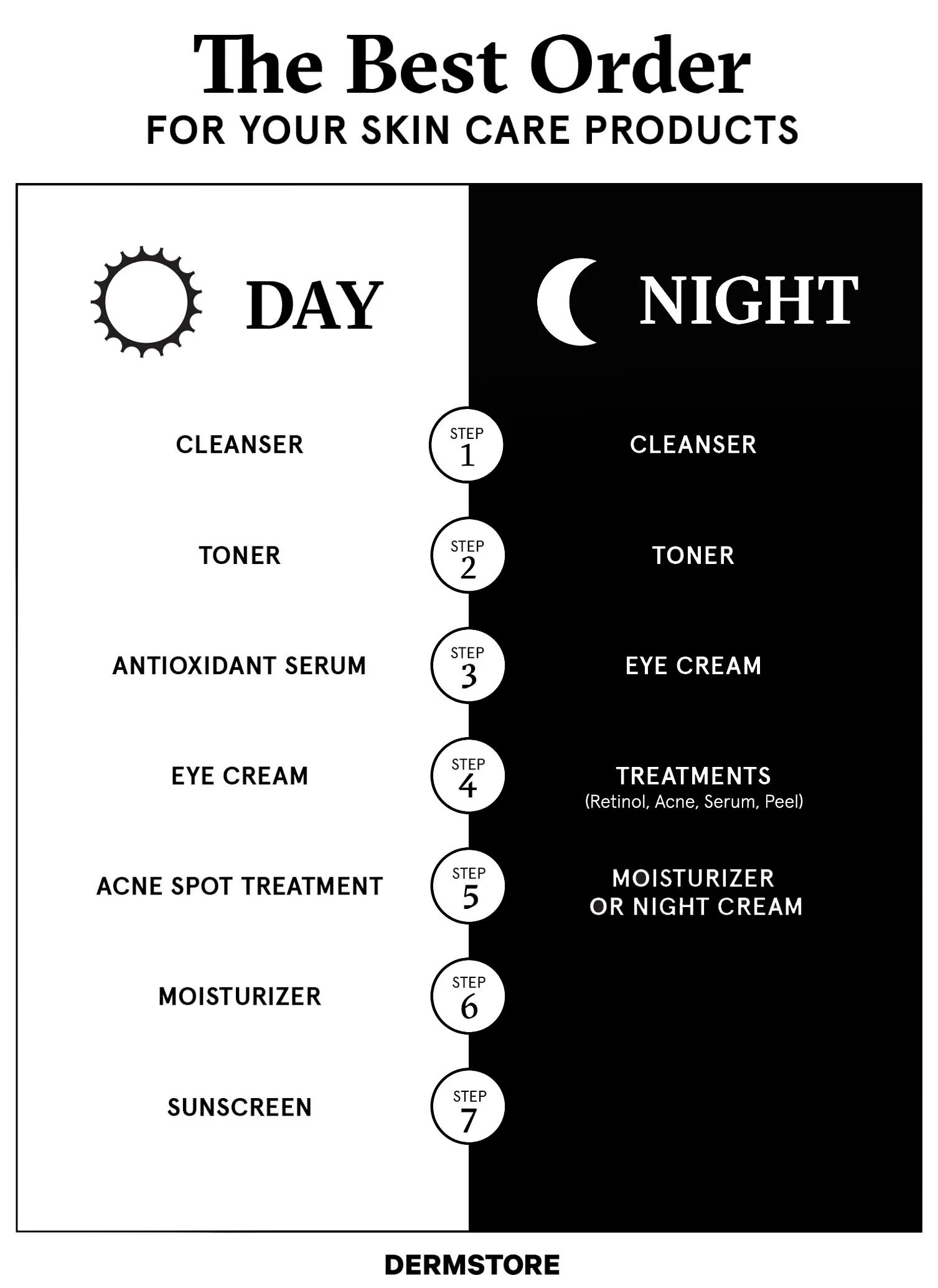
Moisturizers and oils play a critical role in locking in hydration overnight. Night creams tend to be richer and formulated to support skin repair during sleep. Oils are excellent for sealing moisture and adding an extra barrier against water loss. Selecting either depends on your skin’s tolerance and preference, but combining both can offer enhanced benefits for extremely dry skin.
Tips for Sealing in Hydration Overnight
Apply your moisturizer or oil as the last step of your routine while your skin is still slightly damp from serums or toners. This helps lock in water content. Avoid touching your face excessively to prevent disrupting the moisture barrier you’ve created.
Step 6: Optional Overnight Masks
Benefits of Overnight Hydrating Masks
Overnight masks provide an intensive boost of hydration and nourishment, ideal for particularly dry or flaky skin. They create a protective layer that enhances moisture retention and aids skin repair during sleep. These masks are formulated with emollients and humectants, delivering lasting softness and suppleness.
How and When to Incorporate Masks in Your Routine
Use overnight masks once or twice weekly instead of your usual moisturizer for an added hydration surge. Apply them as the final step in your routine and avoid layering other heavy products afterward. Consistent use can reduce dryness and improve your skin’s overall texture significantly.
Additional Tips for Managing Dry and Flaky Skin
Environmental and Lifestyle Adjustments
Environmental factors like indoor heating, low humidity, and exposure to wind can worsen dryness. Using a humidifier, hydrating regularly, and protecting your skin with scarves or hats in cold weather can mitigate these effects. Additionally, drinking enough water and eating a diet rich in healthy fats supports skin hydration from within.
When to Consult a Dermatologist
If dryness and flakiness persist despite a consistent skincare routine, it may indicate an underlying condition such as eczema or psoriasis. Professional evaluation can provide targeted treatments such as prescription moisturizers or anti-inflammatory agents. Early consultation prevents worsening symptoms and promotes healthier skin in the long term.