


Why Soundproofing Matters in Apartment Living
Common Noise Issues Faced by Apartment Dwellers
Living in an apartment often means sharing walls, floors, and ceilings with neighbors. This close proximity can lead to a variety of noise disturbances such as loud conversations, music, footsteps, or even household appliances. These sounds can intrude into your living space, disrupting peace and quiet. Ambient noises from the street, nearby construction, or communal areas further add to the challenge of maintaining a serene environment.
Because apartments usually have thinner walls than standalone homes, noise transfer can be quite significant. This makes soundproofing not just a comfort enhancement but often a necessity, especially for those working from home, studying, or simply seeking restful sleep.
Benefits of Effective Soundproofing
Investing time and effort into soundproofing your apartment can dramatically improve your quality of life. Effective soundproofing reduces stress caused by constant noise interruptions and creates a more private and cozy atmosphere. It allows you to focus better if you work remotely, enjoy movies or music without external distractions, and have more control over your personal space.
Additionally, good soundproofing can even increase the apartment’s appeal should you decide to rent or sell, as quieter living conditions are a highly sought-after feature. While professional soundproofing options can be expensive, simple DIY hacks under $50 can provide noticeable improvements without breaking the bank.
Top Budget-Friendly Materials for Soundproofing Under $50
Affordable Acoustic Panels and Alternatives
Acoustic panels are designed to absorb sound waves, reducing echo and noise transmission within rooms. While commercially available panels can be pricey, there are cost-effective options that fit within a $50 budget. For example, foam tiles or smaller packs of acoustic foam sheets can be purchased at a low cost and strategically placed in high-noise areas.
Alternatives to traditional acoustic panels include dense fabrics mounted on frames or even thick blankets. These materials work by dampening sound reflections and can be customized to fit your decor style. Using such affordable items allows you to experiment with placement and coverage without a heavy financial commitment.
DIY Soundproofing Tools from Household Items
Many household items can serve as effective soundproofing tools when used creatively. For instance, egg cartons, although not true sound absorbers, can help diffuse sound and reduce echo when applied on walls. Heavy curtains, layered blankets, or quilts also help muffle noise when hung over windows or doors.
Furthermore, rolled-up towels or draft stoppers made from old fabric scraps can seal gaps under doors, preventing sound from sneaking in. Using these everyday items not only saves money but also makes your soundproofing efforts environmentally friendly by repurposing materials you already own.
Step-by-Step Guide to Installing Easy Soundproofing Hacks
Sealing Doors and Windows to Reduce Noise
The first step in soundproofing is to identify cracks and gaps around doors and windows where noise easily passes through. Start by inspecting the edges for any visible spaces. Use weatherstripping tape or adhesive foam strips to seal these gaps. These materials are inexpensive and simple to apply, forming a barrier that significantly cuts down noise infiltration.
Another effective method is installing draft stoppers at the bottom of doors. These can be homemade by filling fabric tubes with sand or rice, then placing them snugly against the door to block sound and drafts simultaneously. Sealing these entry points concentrates your efforts where sound leakage is most intense.
Creating DIY Wall Panels that Absorb Sound
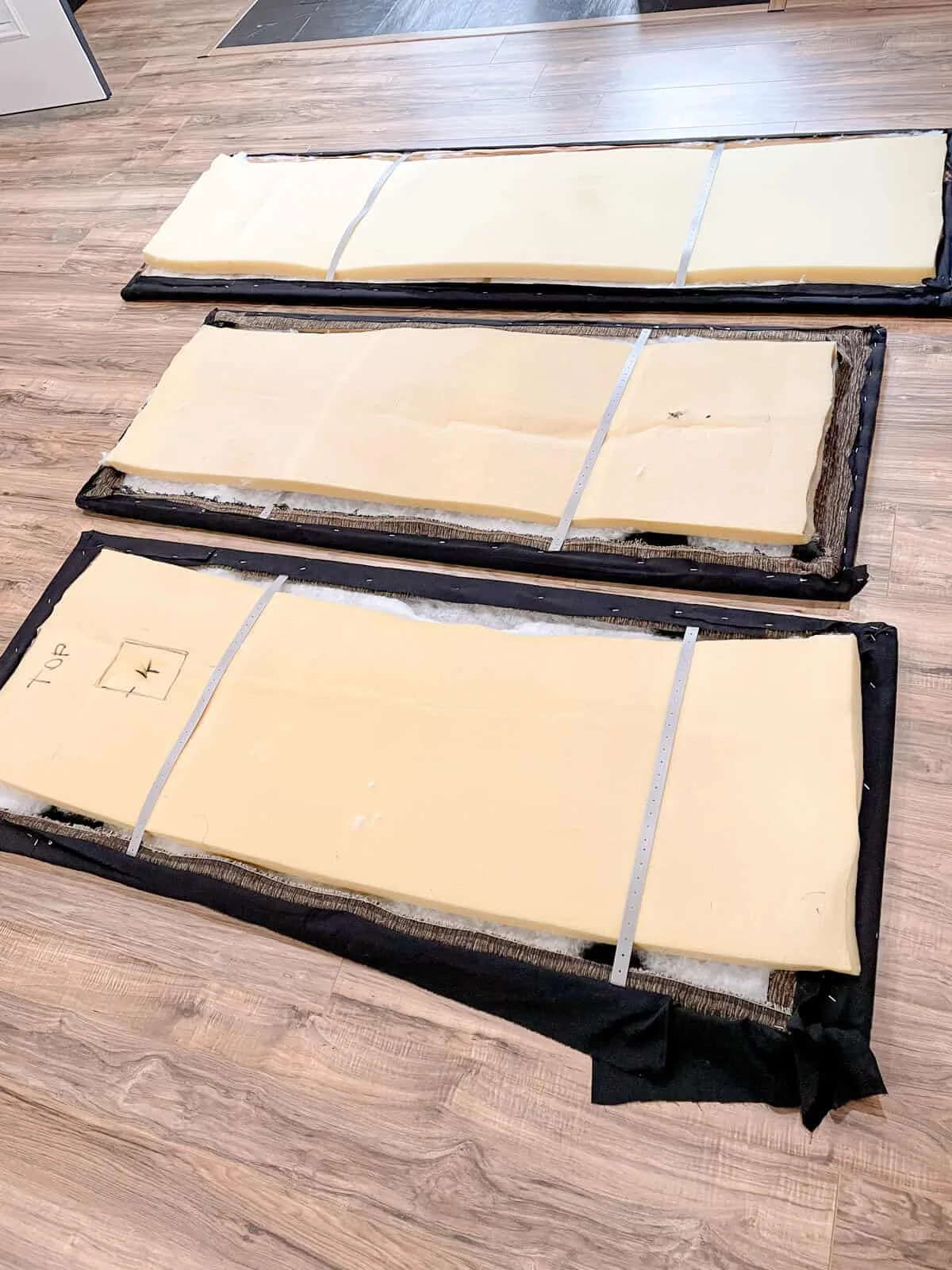
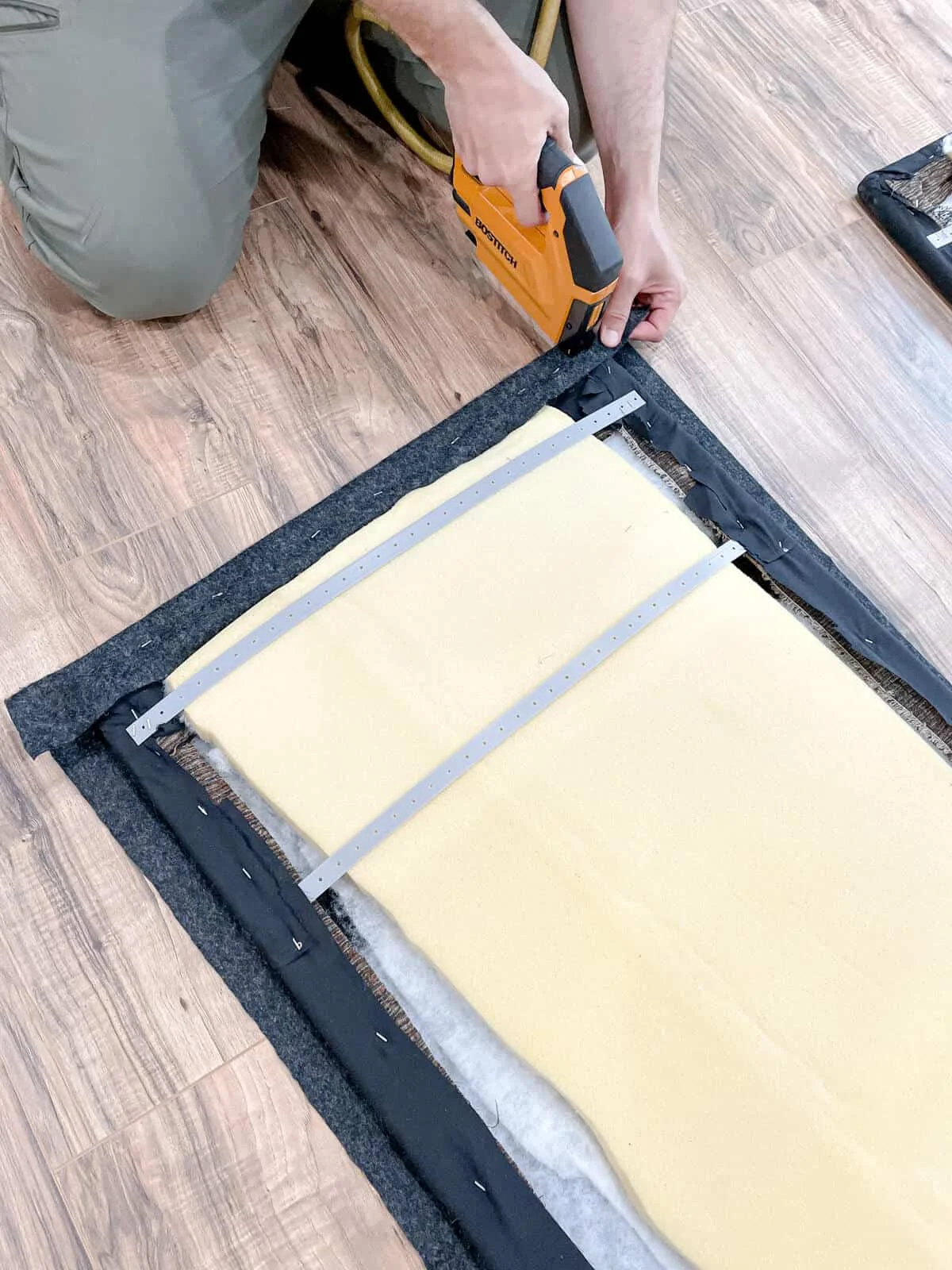
After addressing openings, focus on your apartment’s walls. Begin by selecting a lightweight wooden frame or repurposed cardboard box frames to form the base of your DIY panels. Cover these frames with dense insulating materials such as moving blankets, thick towels, or foam sheets collected from budget suppliers.
Once assembled, mount these panels on walls adjacent to noisy neighbors or high-traffic areas. Positioning is crucial; panels near corners or areas with direct noise exposure yield the best results. This step-by-step assembly not only improves sound absorption but also adds a personalized touch to your apartment’s walls.
Using Rugs and Curtains to Muffle Noise
Floor and window coverings play a significant role in controlling sound within your apartment. Thin floors can transmit footsteps and other impact noises, so placing thick rugs or carpets acts as a cushioning layer that absorbs these sounds before they travel through the building structure.
Similarly, using heavy, dense curtains over windows or glass doors blocks external street noise effectively. Opting for blackout curtains provides dual benefits by reducing noise and controlling light, enhancing overall comfort without a big investment.
Creative and Temporary Soundproofing Tips
Furniture Placement for Noise Reduction
Strategic furniture placement can serve as an impromptu sound barrier. For example, positioning bookshelves filled with books against shared walls can help absorb sound vibrations. Upholstered furniture, such as sofas and chairs, also contributes to dampening noises due to their soft textures and bulk.
This approach doesn’t require any installation or modification, making it ideal for renters who need temporary yet effective solutions. By rearranging existing furniture thoughtfully, you can create zones where noise is minimized, enhancing room acoustics naturally.
DIY Door Draft Stoppers and Wall Hangings
Making your own door draft stoppers is a simple project that can dramatically reduce noise seepage from gaps under doors. Use materials like old socks, fabric tubes, or even rolled-up t-shirts filled with rice, sand, or beans. These homemade stoppers are easy to move, clean, and replace as needed.
Wall hangings crafted from heavy quilts, tapestries, or even layered fabrics work similarly by adding mass to walls and breaking up sound waves. These decorations not only improve soundproofing but also add warmth and style to your living space, demonstrating how aesthetics and functionality can coexist.
When to Invest in Professional Soundproofing Solutions
Signs Your DIY Efforts Need Upgrading
While DIY hacks can significantly reduce noise, some situations call for professional intervention. If you continue to experience persistent noise disturbances despite multiple layering of soundproofing materials, it may indicate structural issues or inadequate insulation in your building.
Other signs include hearing loud bass vibrations that penetrate walls or floors, or if noise comes from mechanical sources like plumbing or HVAC systems that simple barrier methods cannot address. At this point, investing in professional soundproofing solutions like mass-loaded vinyl barriers or acoustic drywall can provide long-term relief.
Consider consulting with a soundproofing expert who can assess your apartment’s specific needs and recommend tailored solutions. While these options often exceed a $50 budget, understanding when to upgrade ensures your efforts remain effective and sustainable.