


Introduction to Apartment Soundproofing
Why Soundproofing Matters in Apartments
Living in an apartment often means dealing with noise from neighbors, street traffic, or even the building’s common areas. It can be really frustrating when sounds easily travel through thin walls or floors. Soundproofing becomes more than just a convenience; it’s essential for creating a peaceful, comfortable home. Whether it’s loud music, barking dogs, or conversations, blocking out unwanted noise improves your quality of life and helps maintain good relationships with neighbors.
Challenges of Soundproofing on a Budget
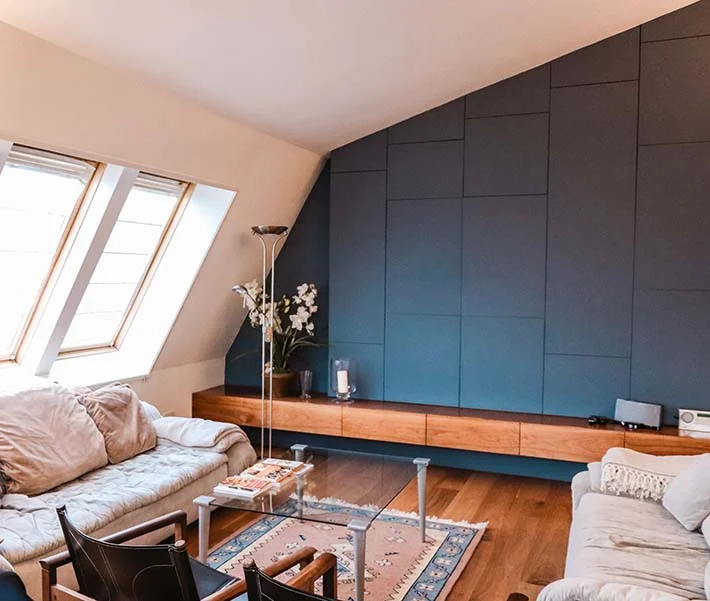
Professional soundproofing can be expensive and sometimes impractical, especially if you don’t own your apartment. Many traditional methods involve structural changes or costly materials. This makes it tricky for renters or those on a tight budget to find effective solutions. Luckily, there are plenty of affordable, easy DIY hacks that don’t require a contractor or major renovations. These smart, budget-friendly ideas can significantly reduce noise without breaking the bank.
Quick and Affordable DIY Hacks
Using Soft Furnishings to Absorb Noise
One of the simplest ways to dampen sound is by incorporating soft furnishings into your space. Curtains, cushions, and upholstered furniture naturally absorb sound waves, reducing echo and muffling noise. Heavy drapes especially help when placed over windows or even walls to block outside sounds. Don’t underestimate the power of a plush sofa or a fabric-covered headboard—they can act as sound barriers where walls fall short.
Sealing Gaps and Cracks: Simple Techniques
Noise often sneaks through tiny cracks around doors, windows, and baseboards. Taking the time to seal these gaps can make a surprising difference. Weatherstripping tape or caulking is inexpensive and easy to apply, cutting down the amount of sound that leaks into your space. Even applying draft stoppers at the bottom of doors creates an immediate buffer against noise. These small fixes are low-effort but yield noticeable improvements.
Creative Use of Rugs and Carpets
Hard floors tend to bounce sound around, intensifying noise within an apartment and letting it escape to neighbors below. Adding rugs or carpets softens the flooring and absorbs much of this sound. Thick or layered area rugs work best, and placing pads underneath them adds another cushion for sound absorption. Besides making your room cozier, these floor treatments help manage both incoming and outgoing noise.
Innovative Soundproofing Materials You Can Make at Home
DIY Acoustic Panels with Household Items
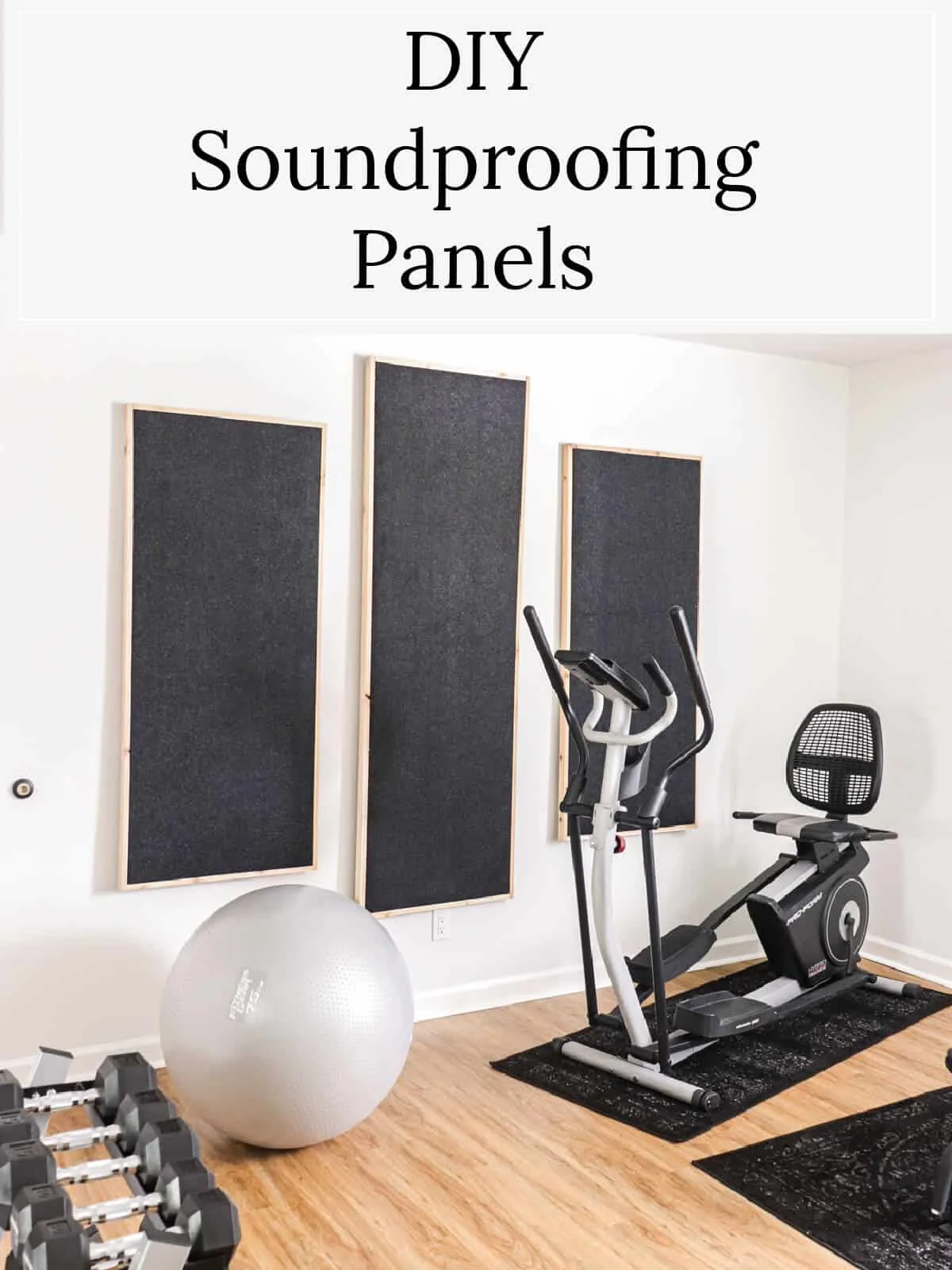
If you want to take your soundproofing up a notch without spending a fortune, try creating homemade acoustic panels. Using materials like old blankets, towels, or foam mattress toppers, you can fashion panels to hang on walls. These DIY panels are surprisingly effective at absorbing sound and reducing reverberation. Plus, you can customize their size and placement for the best results in trouble spots like near noisy neighbors’ walls or around TV areas.
Temporary Window Treatments to Reduce Noise
Windows are often the weakest link in keeping out urban noise. Besides heavy curtains, you can try temporary solutions like clear plastic window inserts or layering bubble wrap against glass panes during particularly noisy times. These inexpensive treatments provide an extra barrier to sound without permanent installation. They’re perfect for renters who need a non-invasive approach that still makes a difference in noise levels.
Maximizing Space While Minimizing Noise
Furniture Placement Strategies
How you arrange your furniture can go a long way in soundproofing your apartment. Placing large pieces like bookshelves, sofas, or wardrobes against shared walls helps block noise transmission. Bookshelves filled with books are especially good at absorbing sound waves. Using furniture to create physical barriers is a clever way to improve soundproofing without adding materials or spending money.
Multipurpose Soundproofing Solutions
Choosing items that serve dual purposes can save both space and money. For example, a thick quilted blanket can act as wall décor and a sound absorber. Folding screens or room dividers made from padded materials add privacy and dampen noise simultaneously. This kind of thinking keeps your apartment functional and stylish while quietly reducing unwanted sounds.
When to Consider Professional Soundproofing Solutions
Understanding Limitations of DIY Methods
While DIY soundproofing hacks work well for moderate noise, some situations call for professional help. Extremely loud environments or structural sound leaks may require building modifications or specialized materials. It’s important to recognize when DIY fixes aren’t enough to meet your needs. If noise continues to severely impact your daily life despite your best efforts, consulting with a soundproofing expert is a sensible next step.
Cost-Effective Upgrades That Still Save Money
You don’t have to spend a fortune to get professional-level results. Simple upgrades like adding thicker drywall layers, installing soundproof doors, or improving insulation can be surprisingly affordable if planned carefully. Some landlords are even open to sharing the cost if these improvements benefit the entire building. Exploring these options might deliver a long-term solution worth the investment.
Conclusion: Balancing Cost and Effectiveness in Soundproofing
Apartment soundproofing doesn’t need to drain your wallet to be effective. By cleverly using soft furnishings, sealing gaps, and making your own acoustic panels, you can create a quieter, more relaxing home environment. Being strategic about furniture placement and exploring temporary window treatments enhances these efforts even further. While DIY alone may not solve every noise problem, it’s a great starting point that preserves your budget and peace of mind. Ultimately, balancing cost with the level of sound reduction you need allows you to enjoy your space fully—silence by design, without the hefty price tag.