


Understanding the Power of Micro-Goals
Defining Micro-Goals vs. Macro-Goals
Many people struggle to maintain motivation or productivity because their goals feel overwhelming. This often happens when the focus is solely on broad, long-term objectives—known as macro-goals. Macro-goals are ambitious and important, but their size can make progress feel slow and discouraging. In contrast, micro-goals are small, specific targets that act as stepping stones toward larger ambitions. These bite-sized goals make tasks feel more manageable by breaking down a big project into achievable daily actions.
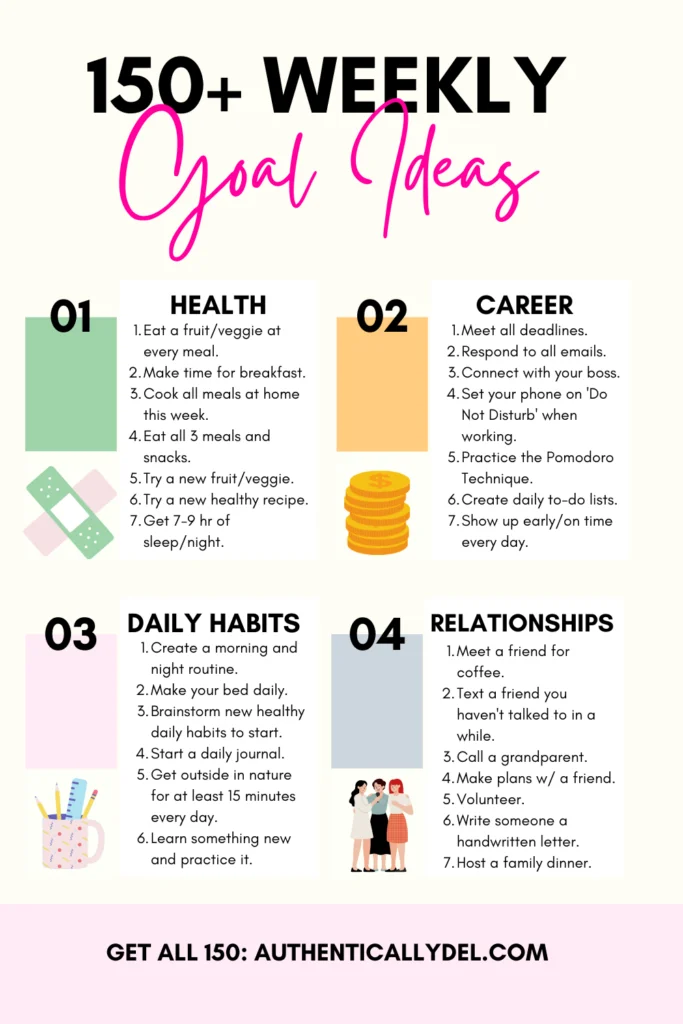
The problem with focusing only on macro-goals is that it’s easy to lose momentum when results aren’t immediately visible. Micro-goals solve this by providing frequent markers of progress, which help maintain enthusiasm and build consistent productivity habits.
Psychological Benefits of Small Achievements
Setting and meeting micro-goals taps into fundamental psychological principles that drive human motivation. Achieving small wins triggers positive feedback loops in the brain, releasing dopamine and reinforcing feelings of accomplishment. These frequent successes combat procrastination and reduce anxiety tied to daunting tasks. When progress is visible and measurable, it fosters a sense of control and competence, critical factors for sustained motivation.
Without this focus on micro-achievements, individuals often experience burnout or self-doubt, as large goals can feel unattainable. Micro-goals provide clarity and boost confidence by making progress tangible every day.
Step-by-Step Guide to Setting Effective Micro-Goals
Identifying Key Areas for Improvement
The first challenge in using micro-goals is knowing where to start. Many feel stuck because they haven’t clearly identified which parts of their routine or tasks need focus. It’s important to assess your daily activities critically and pinpoint areas that, if improved even slightly, would lead to better outcomes. This might mean recognizing specific skills to develop, steps in a workflow that slow you down, or habits that disrupt consistency.
Without this clarity, micro-goals can become unfocused and ineffective. Take time to analyze your priorities and challenges honestly before creating micro-goals that truly address these key areas.
Breaking Down Larger Tasks into Manageable Pieces
Once key areas are identified, the next hurdle is transforming large tasks or objectives into smaller components. The difficulty lies in avoiding vague or overly broad tasks that don’t guide daily action clearly. For example, instead of “write a report,” a micro-goal might be “draft the introduction” or “outline three main points.” This approach reduces decision fatigue and lowers barriers to getting started.
Breaking down larger tasks also reveals hidden complexities, making it easier to schedule and prioritize work. Without this granularity, it’s easy to procrastinate or become overwhelmed by the perceived size of the task.
Establishing Clear and Measurable Objectives
Another frequent obstacle when setting micro-goals is vagueness. Goals like “study more” or “get better at coding” are too abstract to drive focused effort. The solution is to establish precise, measurable objectives. For instance, “study for 25 minutes on chapter 3” or “complete five coding exercises” provides clear targets and criteria for success.
Clear micro-goals enable effective tracking and foster accountability. When goals lack specificity, it’s difficult to judge progress, which reduces motivation and can lead to inconsistent effort.
Tools and Techniques to Track Daily Micro-Goals
Using Digital Apps and Planners
Staying organized and keeping micro-goals visible throughout the day is often a challenge. Many people fail to track their small achievements simply because they don’t have a system to log progress. Modern technology offers numerous digital solutions like task management apps and planners designed specifically for setting and monitoring micro-goals. These tools provide reminders, progress dashboards, and the ability to easily adjust goals based on daily performance.
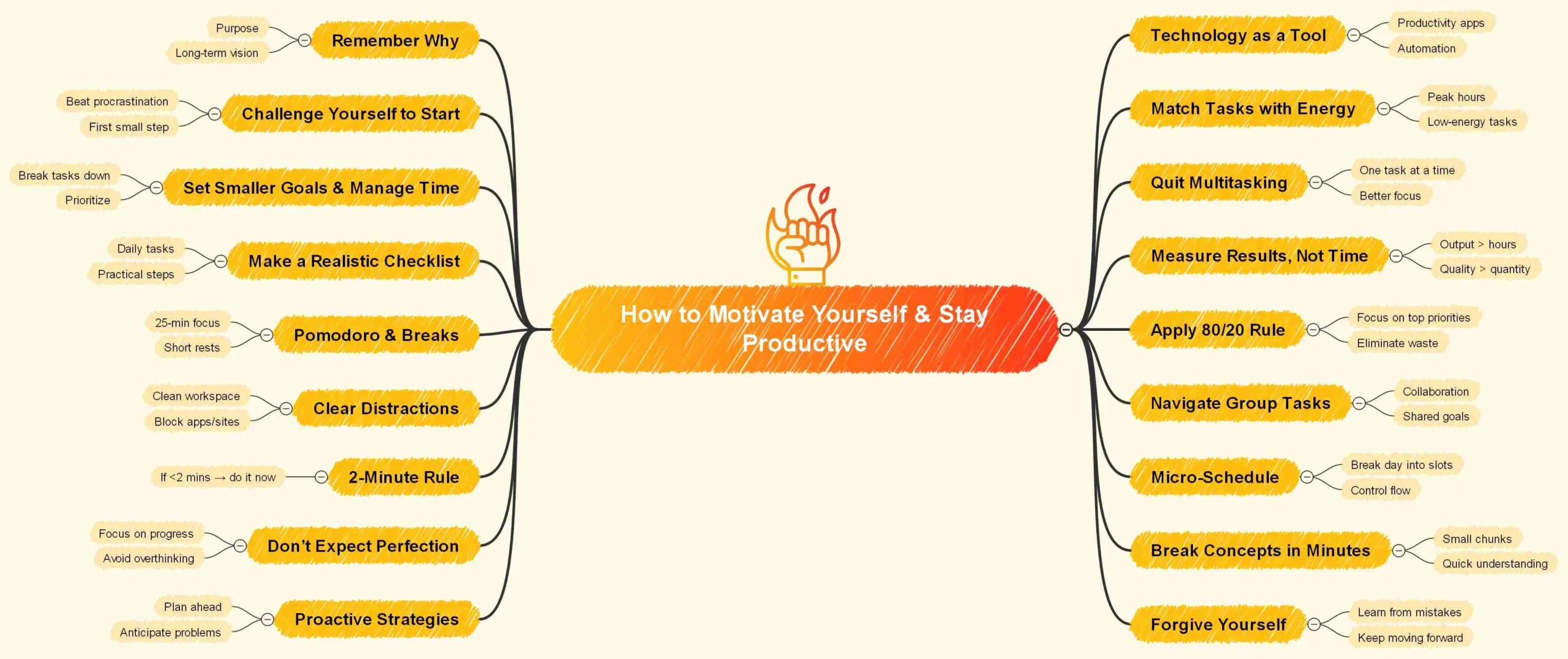
Without using some form of tracking, it’s easy to lose sight of micro-goals amid daily distractions. Digital apps help maintain focus, making it easier to stay on course and celebrate incremental wins.
Implementing the Pomodoro Technique for Focus
Maintaining concentration on micro-goals during work sessions is a common difficulty. Distractions and fatigue undermine productivity, especially during long tasks. The Pomodoro Technique offers a practical method to enhance focus by breaking work into short, timed intervals—typically 25 minutes—followed by brief breaks. This structure aligns well with micro-goals, which are often designed around these manageable time blocks.
Using this technique prevents burnout and keeps motivation high, as the frequent breaks reward sustained attention. Without a focused approach like Pomodoro, even well-defined micro-goals can fall victim to procrastination and mental exhaustion.
Micro-Goals in Action: Examples for Different Lifestyles
For Students: Enhancing Study Sessions
Students frequently face the challenge of procrastination and overwhelming material. Setting micro-goals such as completing a specific number of practice problems, reading a single article, or summarizing one chapter can make study sessions more productive. These small targets help maintain steady progress and avoid last-minute cramming, leading to better retention and less stress.
The key is to focus on actionable steps within each session to build momentum and confidence, rather than vague intentions to “study.”
For Professionals: Boosting Work Efficiency
In professional settings, large projects and constant multitasking can stall productivity. Micro-goals like responding to five emails before noon, drafting a project outline by a certain time, or conducting a 10-minute brainstorming session help create structured accomplishments throughout the day. This prevents tasks from piling up and promotes a sense of forward movement.
Professionals who neglect micro-goals risk burnout from feeling overwhelmed or disorganized. Clear, measurable daily objectives restore control and focus, improving overall efficiency.
For Creatives: Cultivating Consistent Creativity
Creativity often suffers when artists or writers wait for inspiration to strike or target only large achievements. Micro-goals such as sketching for 15 minutes, writing a single paragraph, or experimenting with a new technique daily cultivate reliable creative habits. These small, regular efforts dismantle creative blocks and keep ideas flowing.
Without micro-goals, creatives may experience bursts of productivity followed by long dry spells. Consistent daily practice anchored by micro-goals nurtures skill development and sustained output over time.
Maintaining Momentum: Staying Motivated Through Micro-Goal Success
Celebrating Small Wins Without Losing Sight of Big Picture
A common pitfall when using micro-goals is becoming too focused on these small wins and losing sight of the overarching objectives. While celebrating progress is crucial for motivation, it’s equally important to keep the bigger goal in perspective. This balance prevents complacency and ensures micro-goals serve as meaningful steps rather than distractions.
Recognizing how each small achievement contributes to long-term success reinforces purpose and drives continued effort. Without this connection, micro-goals risk feeling trivial, reducing their motivational impact.
Adjusting Goals Based on Progress and Feedback
Finally, maintaining momentum requires flexibility. It’s unrealistic to expect every micro-goal to fit perfectly on the first attempt. Life’s unpredictability and evolving priorities demand periodically assessing progress and re-calibrating micro-goals. Stubbornly sticking to rigid plans leads to frustration and stalled motivation.
Regularly reviewing what’s working and what’s not allows you to refine goals to be more realistic and aligned with your current needs and capacities. This adaptive approach keeps motivation high and builds resilience in your productivity system.