


Understanding the Importance of Setting Work Boundaries
How Work Boundaries Affect Your Evening Routine
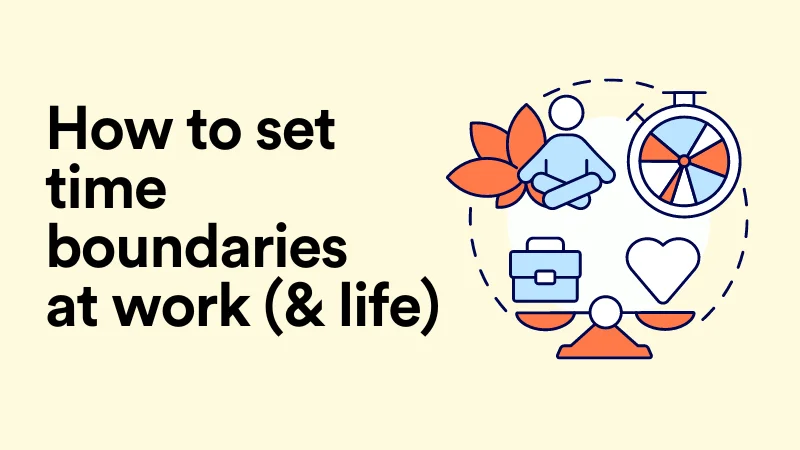
Work often bleeds into our personal lives, especially in today’s age of constant connectivity. Without clear boundaries, it’s easy to find yourself checking emails late into the evening or taking calls during family dinners. This intrusion not only shortens the time you spend with loved ones but also disrupts your ability to fully unwind. Setting firm limits around work hours plays a crucial role in protecting your evenings, allowing you to relax and be present with your family.
Common Challenges in Balancing Work and Family Time
Balancing professional responsibilities with family life is no small feat. Many face pressures like looming deadlines, urgent tasks, or expectations to be constantly available. Additionally, there’s often a personal drive to excel at work that leads to overcommitment. These challenges can cause stress to spill over into your home life, making it difficult to switch off and enjoy quality time with those who matter most.
Identifying Your Personal and Professional Limits
Assessing Your Workload and Time Commitments
The first step to setting boundaries is understanding how much time your work truly demands. Take a close look at your daily and weekly tasks. Are you routinely working beyond your scheduled hours? Are there tasks that can be delegated or delayed? Reflecting on these questions will help you clarify how much time you realistically need for work and where adjustments are necessary.
Recognizing Signs of Work-Related Stress at Home
Stress often shows up subtly in your family environment—maybe you’re more irritable, distracted, or exhausted when you arrive home. Notice if you find it hard to engage in conversations or activities with your loved ones after work. These signs highlight that your boundaries might be too loose, allowing work stress to spill over and rob you of evening peace.
Effective Strategies for Setting Boundaries at Work
Communicating Your Availability to Colleagues and Supervisors
One of the most effective ways to protect your time is by clearly communicating your work hours and availability. Let your team and managers know when you are reachable and when you’re not. This sets expectations and reduces last-minute interruptions. Consistency is key—stick to these boundaries to gradually build respect for your time.
Using Technology to Enforce Time Limits
Technology can be both a blessing and a curse. Use features like “Do Not Disturb” modes, scheduled email sends, or app timers to minimize distractions after work hours. Turning off notifications or setting specific times to check emails helps maintain a healthy distance from work, preserving your evening for family and rest.
Creating a Structured End-of-Day Ritual
A deliberate transition ritual signals to your brain that work is over and it’s time to switch gears. This might include shutting down your computer, tidying your workspace, or simply taking a short walk before heading home. Establishing such habits helps you mentally separate work from home life, making it easier to arrive fully present with your family.
Building Supportive Work Environments
Encouraging Employer Policies for Work-Life Balance
Long-term boundary setting thrives in supportive workplaces. Advocate for or support policies that encourage reasonable working hours, flexible schedules, or mental health days. When organizations prioritize work-life balance, employees feel empowered to maintain boundaries without guilt.
Seeking Allies and Accountability Partners
Having colleagues who share your commitment to boundaries can be incredibly motivating. Find allies who respect personal time and can support you in upholding limits. Accountability partners make it easier to stay consistent, simply by checking in or reminding each other to switch off when the day ends.
Maximizing Quality Family Time After Work
Planning Evening Activities That Foster Connection
With boundaries firmly in place, the next step is to make the most of your family time. Engage in activities that encourage togetherness—whether it’s cooking dinner together, playing a board game, or enjoying a walk around the neighborhood. These shared moments strengthen your bonds and create positive memories that dissipate the stress of the day.
Tips for Transitioning From Work to Family Mode
Switching from “work mode” to “family mode” isn’t always automatic. Consider simple routines like changing your clothes when you get home or spending a few minutes practicing deep breathing or mindfulness. These actions help you shed the tension of work and fully embrace your role as a family member in the evening hours.
Long-term Benefits of Maintaining Clear Work Boundaries
Improved Mental Health and Reduced Burnout
Consistently setting and respecting work boundaries can dramatically reduce stress and prevent burnout. By giving yourself permission to disengage after work, you protect your mental health, recharge your energy, and boost overall well-being. This not only benefits you but also enhances your performance during working hours.
Stronger Relationships and Family Dynamics
When you prioritize family time, you nurture deeper connections and improve communication with your loved ones. Children and partners alike respond positively to your presence, free from work distractions. Over time, this investment creates a more harmonious home life, where everyone feels valued and supported.